If you have been following this blog for any amount of time, you may have noticed I have a penchant for writing bad poetry. I don't have any delusions my poems are good, they are just fun and funny (to me).
For me, poetry is less of an art, and more a puzzle with words. I enjoy rearranging words and sentences to make them (almost) rhyme to tell a story. In the beginning, it always seems I won’t be able to get the puzzle to tell a cohesive story, but when I keep playing with the words and sentence structure, it always comes together.
It's flashback Friday when I dig in the archives to share a blog post or two that you may have missed the first time around because after five years of blog posts a few probably have slipped by your attention.
Since it's Valentine's Day, I'll share a love poem I wrote to running years ago. Can you relate? Then we can flashback to revisit a few of the past poems I shared on the blog.
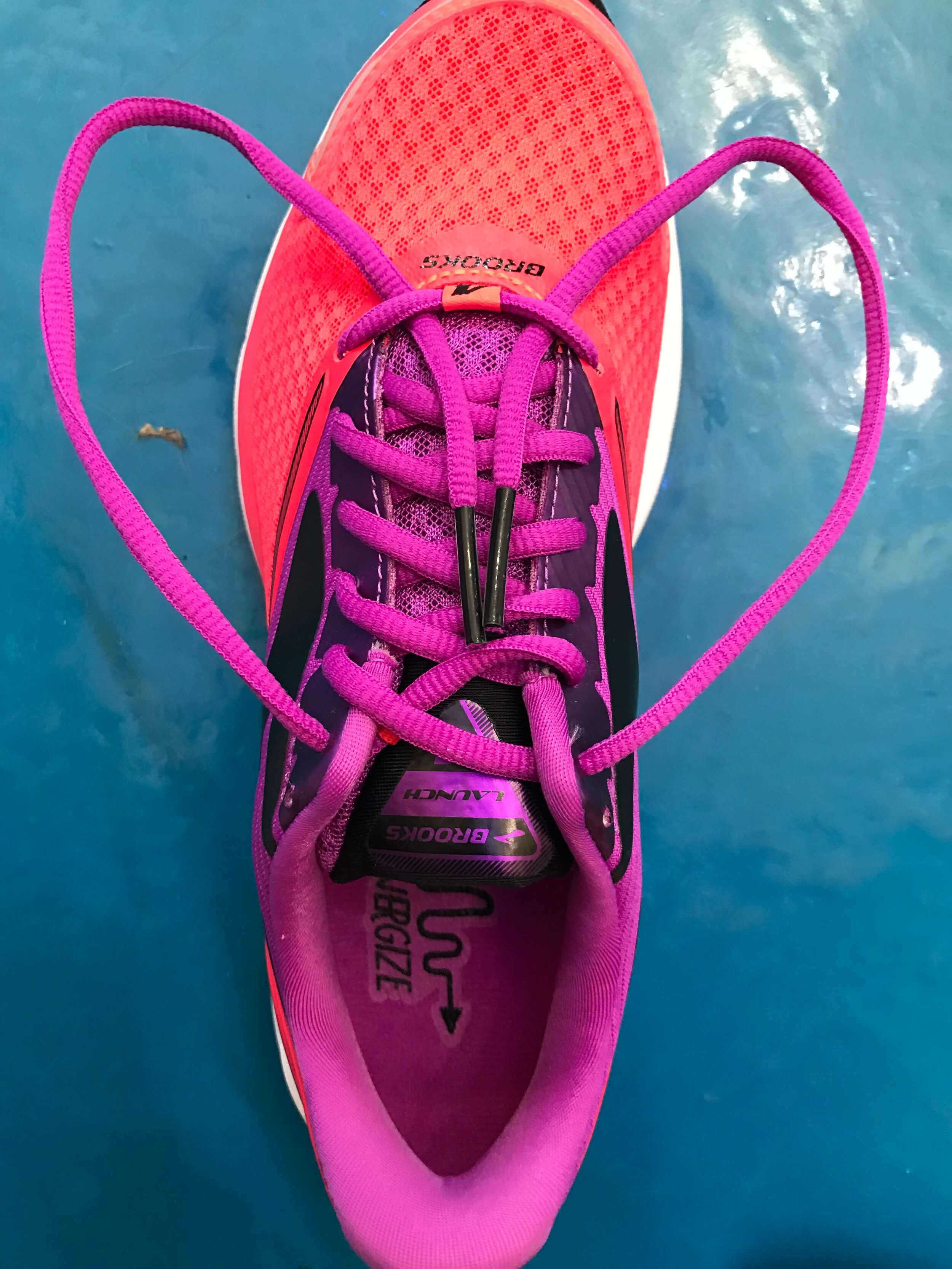
Valentine's Day Love Poem
Dear Running,
How do I love thee?
Let me count the ways…
You clear my head, shrink my butt,
And bring me happier days.
You are always there
When I need you most,
To run away stress
Through the mileposts.
When I need to unwind
You are heaven-sent,
I lace up my shoes
And hit the pavement.
When I take you for granted
And neglect the burn
You patiently wait for
For my inevitable return.
When much time has passed
And you're calling my name
I always know
We can re-spark the flame.
Running, I thank you
For all that you do,
For my heart, my soul,
And my mind, I love you.
Are you intrigued by my bad poetry skills? Here are some other poems I shared on the blog over the years.
In case there is any dispute, I wrote a song about running to convince you that Autumn is the most wonderful time of the year. Won’t you sing along?
Did you like this post? Do you know someone who might benefit? It helps me when you share with your friends and followers on Facebook, Twitter or Pinterest.
Questions? I’d love to help.

Much of what we experience as suffering is just the story we tell ourselves about a situation. Recently, this simple shift in perspective gave me the clarity to finally make a massive decision I have been putting off for years. It is time for a major update.
You put in the work at the gym, but what about the other twenty-three hours of your day?
Workouts are a great start, but true well-being is woven into your whole life: through your sleep, recovery, stress management, and micro-movements. These small, one to five-minute actions, like taking a mindful breathing break or choosing the stairs, are not just for beginners; they are essential for optimizing the results of your hard work.
Discover simple, intentional micro habits in movement, focus, nutrition, and recovery that enhance your health all day long, ensuring your body and mind are working effectively, not just during your workout, but every single day.
We often hear about the need for a "holiday survival kit," but just using the word survival suggests the season is something difficult we must simply endure. The truth is, the holidays provide a wonderful chance to build connection and lean into celebration.
This season, avoid the all-or-nothing trap of thinking you must "start over in January." The most lasting success is built by practicing flexibility now. Learn to use the Dial Mindset Method to adjust your effort based on life's reality and the Nutrition Continuum to make small, incremental upgrades to your eating. Your goal is not perfection, but consistency, which leads to confidence and long-term health success beyond the holidays.
Workplace wellness programs that rely on employee motivation or willpower, may be well-intentioned, but they are setting people up to fail. Learn how we lean on behavior change science for sustainable results for the employee and the employer.
Energy is not endless, but you do have some control over it when you apply strategic recovery. I teach you how to recover like an athlete by mastering the 90-Minute Rule. This approach transforms the cumulative stress of work, training, and parenting into lasting focus, higher productivity, and resilience across all parts of your life.
A lot of nutrition guides for half marathon training are overly complicated and aimed at elite athletes, which can be intimidating for the average runner. This blog post is about taking the pressure off by treating your fueling as a personal, no-math-required experiment throughout your 12-to-16-week training cycle. As a health coach and personal trainer, my goal is to give you simple, straightforward guidelines so you can figure out what works best for your body, ensuring you have the energy needed to train well, recover fully, and cross the finish line feeling strong.
In this blog post, I explain why terms like "eat clean" and "cheat meal" can actually undermine your long-term health efforts. As a health coach, I see how this kind of rigid, judgmental language creates frustration and keeps good people feeling stuck. Since no one can even agree on what "clean" means, it turns enjoying food into a confusing moral struggle. I share how letting go of this black-and-white thinking is the key to making sustainable progress. Your health journey should feel supportive and fit your real life, not an impossible ideal.
When we “fall back” at the end of Daylight Saving Time, most people think about gaining an extra hour of sleep. Years ago, I wrote about using that hour to restart morning workouts. Now, I see this moment even more clearly. The time change is more than a bonus hour. It creates a natural opening to reset habits, experiment with morning movement, and rethink the stories we tell ourselves like “I’m not a morning person.” Whether you use the extra hour to move your body or catch up on sleep, this season is a chance to rebuild your morning routine in a way that fits your life.
Runners and athletes use the RPE (Rate of Perceived Effort) scale to gauge how hard their body is working, even when the numbers on a watch don’t tell the full story. It’s a simple check-in tool that builds awareness, prevents burnout, and helps them pace themselves for better performance. In this post, I’ll show you how to take that same concept and apply it to your workday so you can recognize rising stress, manage your energy more intentionally, and find a steady rhythm that supports both productivity and well-being.
Even when we know what to do, sometimes getting started can feel harder than the workout itself. This post explores why resistance shows up, why willpower alone doesn’t work, and how developing skill power, small, repeatable habits that fit real life, builds lasting consistency.

There’s no time like now to get started working towards your goals. What are you waiting for?