
We spent so many years demonizing carbs. If you have been paying attention to the wellness world for the last couple of decades, you know exactly what I am talking about. First, it was Atkins. Then it was the popularization of Keto, which cuts out almost all carbs. Now we even see the carnivore diet, which is a diet centered around eating meat.
For a long time, the message was loud and clear: if you want to be healthy or lose weight, you have to break up with bread (and that evolved into cutting out fruits and vegetables too)!
When people cut out carbs, they usually lose about three to five pounds pretty quickly. It feels amazing. It feels like you finally found the secret code. But we often forget the "HYDRATE" part of the word carbohydrate. Carbs hold water. When you completely cut out carbs, you are likely losing water right away, not fat. So it felt like the miracle diet. You drop the water weight, you see the scale move, and you think you are winning.
But somewhere along the way, we lost the plot.
The Brain Needs Fuel
The problem with cutting out an entire macro category is that our bodies, and specifically our brains, literally run on glucose. That is the preferred fuel source.
If you are an athlete, this is even more critical. Carbs help you perform better, recover better after a hard session, and protect you from muscle loss. If you are training hard and under-eating carbs, you are setting yourself up to have a harder time with performance and recovery. You might get to where you are going for a while, but eventually it catches up with you.
Sure, some people may feel better on lower carbs, and eating low carb is not the same as never touching a carb, ever. Of course, there is always individual variance here. We are not all robots, and what works for one person might not feel great for another. But the blanket statement that "all carbs are bad" or “carbs make you fat” just isn't true (and never was).
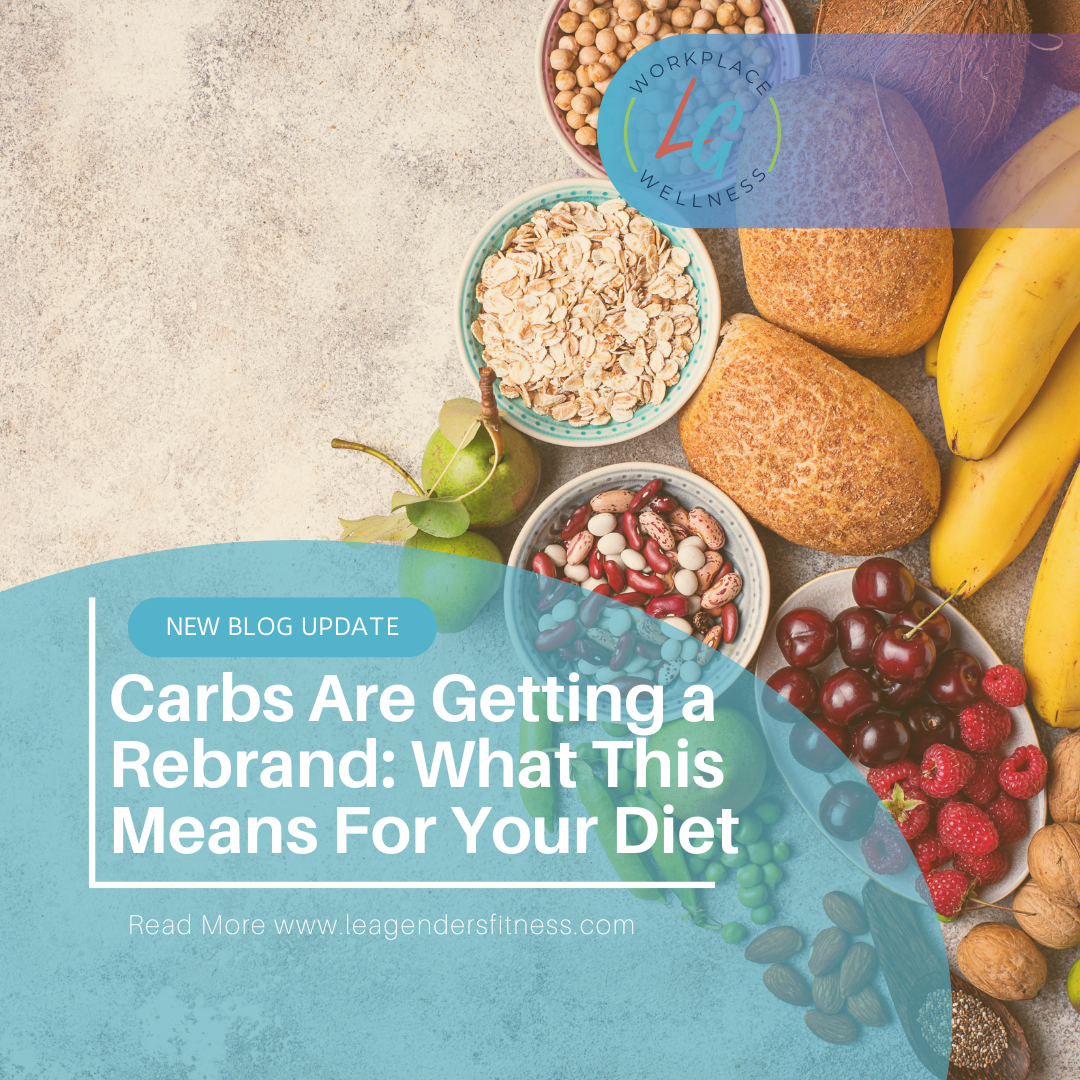
Where We Got Confused
Carbohydrates are a big category. It’s a huge umbrella.
Would we all be a little better off reducing baked goods, chips, and non-nutritious carbs like pretzels or candy? Sure. In most contexts, yes. (Fueling for endurance races is another story for another day.) That is especially true if we are not very active in our daily lives and spend most of the day sitting at a desk.
But somehow, the idea of reducing processed sugar and snack foods turned into not only eliminating all carbs but demonizing them, too. We became afraid to eat healthy foods!
I saw so many people who wouldn’t eat a banana because of the starch. TV and magazines weren’t helping either. I was recently watching a rerun of the sitcom Mike and Molly from 2012, and the scene went like this:
Molly’s mom Joyce makes her a green smoothie. Molly takes a sip and realizes it tastes too good and accuses her of slipping fruit in.
Joyce: "One banana's not going to kill you, sweetie."
Molly: "It's pure starch, and my glycemic index spikes. I mean, you might as well fill the blender with fudge! You're all trying to sabotage me."
It sounds funny, but the idea that banana was the same as fudge, or that it would sabotage her weight loss efforts is flat wrong. Now, I get this was done for humor, but it plants the wrong seed and spreads confusing misinformation.
People became scared of a piece of fruit, whole-wheat bread or of normal servings of rice or potatoes.
Most of these are whole foods. They all can be healthy additions to your diet, and yes, they can help you feel more energized and lose weight.
We took a good concept too far, eliminating junk food, which turned into all carbs are bad. We equated a bag of jellybeans with a sweet potato, and it just doesn’t make sense.
The Fiber Rebrand
But recently, I have noticed a new trend that makes my nutrition coach's heart happy. Carbs are getting a rebrand.
Suddenly, everyone is talking about fiber. You see it all over social media and in health articles. People are discussing its role in gut health, weight loss, and overall longevity. This is coming up especially in conversations regarding peri and menopausal women.
Fiber is a carbohydrate.
This is a complete turnaround from the previous popular culture. We went from "carbs make you fat" to "make sure you get 30 grams of fiber a day." You cannot have one without the other. If you are eating fiber, you are eating carbs.
Fiber is the part of the plant our bodies cannot digest or absorb. Unlike other carbs, which are broken down into sugar molecules (which is not a bad thing, it’s how we get fast energy) fiber passes through the body relatively intact.
Why We Love Fiber Now
This new focus on fiber is fantastic because it helps address many of the issues people were trying to fix with low-carb diets, but does so in a more sustainable way.
Fiber helps regulate the body's use of sugars, helping to keep hunger and blood sugar in check. That means you stay full longer. If you are trying to lose weight, feeling full is half the battle.
For women in perimenopause and menopause, fiber is huge. It helps with cholesterol management, and it keeps things moving, which can be an issue as hormones change. It feeds the good bacteria in your gut, and we are learning more every day about how a healthy gut influences everything from our mood to our immune system.
Finding the Balance
So, where does that leave us?
It means we can stop being afraid of carbs. We can eat potatoes with joy. We can eat a banana without guilt. There is no place for guilt in any nutrition plan. Guilt doesn't help you get healthier; it just holds you back.
You can start by looking at the quality of the carb rather than just the carb count. If you focus on getting enough fiber by eating fruits, vegetables, whole grains, and legumes, you are naturally going to be eating the "good" carbs. You don't have to overthink it.
If you focus on hitting a fiber goal, you usually end up crowding out the processed stuff anyway. It is a much more positive and effective way to look at nutrition. Instead of focusing on what you have to cut out or restrict, you focus on what you need to add in.
If you’ve been around long enough, you start to notice that over the decades nutrition trends swing like a pendulum. We went way over to the low-carb side, and now we are swinging back to the middle. And the middle is usually where the truth lies.
So yes, carbs are getting a rebrand, and I am here for it. It is time to make peace with pasta, love our lentils, and realize that fueling our bodies properly is the best thing we can do for our long-term health.
Questions? I’d love to help.
Lea
There is no greater compliment than a referral!
Have I helped you? Leave a Google Review here

Lea Genders is a board-certified health coach, personal trainer, and workplace wellness consultant based in Fort Worth, TX. She offers corporate wellness programs for employee health and productivity, as well as in-person and virtual training / coaching for individuals worldwide. Her blog shares expert guidance on strength training, running, and sustainable nutrition @fortworth_trainer








Meal prep sounds so Type A, but here’s how a self-proclaimed queen-of-good-enough does it: protein, veggies, and dinner without the Sunday prepping marathon, plus why the best meal prep food is the kind you’ll still want to eat on Wednesday.