I spent most of spring logging random miles once or twice a week without any real plan or purpose. I was in the gym a couple of days a week, but I missed more workouts than usual and was definitely in maintenance mode. Even though I coach people on running, strength, and health for a living, I realized that while I was maintaining some consistency with my workouts, I wasn’t focused and was getting a little too loose with my nutrition. On an entirely unrelated note, I think my dryer broke, because all my pants suddenly shrunk.
I talk a lot about accountability and structure with my clients, and I need it just as much as anyone else. I decided to join Alan Aragon’s twelve-week program online because I value the support of a coach and a community. Coaches need coaches too, because it’s about so much more than what you know. My goals were to get back into a progressive lifting routine, build a running base over the summer, and have some accountability around nutrition.
Finding Consistency Through a Simple Plan
Alan’s program gave general guidelines, but we were free to design our training and nutrition plan as we saw fit based on our goals. I committed to running three days a week, lifting weights three days for an hour each, and hitting 12-15K steps every day. For running, I built up from two miles per session to six or seven miles by the end of the block. I progressed my strength workouts by adding weight, reps, or sets each week, and maintained (and even increased) my step goal through the program.
Coach Takeaway: You do not need a complicated plan to see real results. Pick a manageable target, stick to the schedule, and focus on the actions, rather than the outcomes.
Accountability is Key
I think the thing that surprised me the most is that I locked into my new habits very easily once I knew I had to check in once a week and report on my training, nutrition, sleep, and non-fitness self-care. It probably says something about my personality (as a recovering people-pleaser lol), but with that accountability, there was no way I was going to show up on Monday morning and say I missed a workout without a good reason or report that I didn’t stick to my (flexible) nutrition plan.
Coach Takeaway: Structured check-ins allow for reflection and self-awareness. When you set aside a regular time to review your habits and effort, you can build momentum to keep your daily and weekly actions aligned with your goals.
Automating Nutrition to Beat Decision Fatigue
To keep my nutrition simple, I weighed and logged my food in the same app I use for my personal training clients for the first three weeks to see what I was actually eating. Once I understood my normal calorie intake, from weeks four through ten, I stopped tracking and switched to templated meals. I ate the same breakfast, lunch, and protein shake (mostly) every single day, then I rotated three or four different proteins and sides for dinner. I barely ate out, and eating this way made staying on track with nutrition very easy for me. Around week ten, I started dropping weight, so I logged my food for another week to intentionally add a few hundred more calories a day so my weight would stabilize. Tracking is just as much about making sure you are getting enough nutrients and calories to support your goals and training, as it is about setting guardrails to keep from overeating.
Coach Takeaway: Tracking food is a great tool for learning and data, but you do not have to do it forever. Once you know your baseline, eating templated meals eliminates decision fatigue and makes healthy choices more automatic. This works well for my personality as someone who thrives on routine.
Now, if you have a bigger family, I know meal templates feel more complicated when you are balancing multiple schedules and preferences. But instead of spending energy on why it won't work, flow that energy into figuring out what will. Start experimenting, testing simple meal templates, and trying new strategies until you find a groove that fits your household. There is no right or wrong way, it always comes down to what works for you and your family.
Realizing the Role of Your Environment
Having a supportive home environment made a big difference early on. My husband was fully on board for the first nine weeks, which made sticking to my routine feel easy. Even though he officially wasn’t in the program, we were in this together. During the final three weeks, he started to stray a bit nutritionally, and I had to rely more on my own willpower to stay on track, but by this time I had built solid routines and habits, so it was manageable. It was a clear reminder of how much our surroundings and social support impact our daily choices.
Coach Takeaway: Your environment matters. Having people in your corner makes building habits much easier, but you also need a system to rely on when your environment changes.
After twelve weeks, I feel strong, proud of my consistency, and stable in my habits. Now that my base running block is complete, I am turning my attention toward half marathon training for December and adjusting my strength work to support higher running mileage.
What I relearned as a client in this program that helps me as a coach is that accountability and community can be a game changer when you are chasing goals. When you have experts to turn to for guidance and troubleshooting, and peers for social support, you never feel like you’re doing it all alone. I am grateful to Alan and his wife, Jeana, for their expertise, support, and weekly sessions during the twelve weeks.
WHAT DOES THIS MEAN FOR YOU?
Take an honest look at your habits. Are they supporting the goals you have for yourself? What simple plan can you start executing to move in the right direction? One small action is better than a complete life overhaul.
Do you have accountability? It could be a coach, family, a friend, a workout class, or even a group text. Who are you checking in with this week?
What can you automate to make your daily habits easier to execute? What simple, repeatable templates can you build?
Is your environment set up for your success?
When you reflect on these questions, you can start making real adjustments. Health and fitness shouldn’t feel like punishment or extreme restriction. What small step can you take today to move forward?
Looking Ahead to December
Based on my recent experience with a guided program, I am gauging interest to launch a coached twelve-week virtual half marathon training group leading up to the BMW Dallas Half Marathon in December. Runners and walkers of all experience levels are welcome to join. The only prerequisite is that you can currently walk or run three miles with relative ease and are ready, willing, and able to be coached over the twelve-week training block.
You get a personalized training plan built for your specific experience and goals, with your workouts updated in an app weekly based on your output. The program includes a running or walking plan to get you safely across the finish line, strength training to keep you strong, and weekly group Zoom calls covering running topics, nutrition, recovery, mindset, gear, race day execution, and more.
You get the flexibility to train on your own time with virtual personalized coaching and group accountability, plus an (optional) in-person meetup before the race in Dallas. If you are not from Dallas and want to train with us for a different race around that same time, that’s great too! Since the training is virtual, being local to DFW is not required. If there is enough interest, we can launch mid-September. Ask a friend to join you. If crossing a half marathon finish line sounds like something you’d love to do with the support of a coach and a community, email me.
Lea
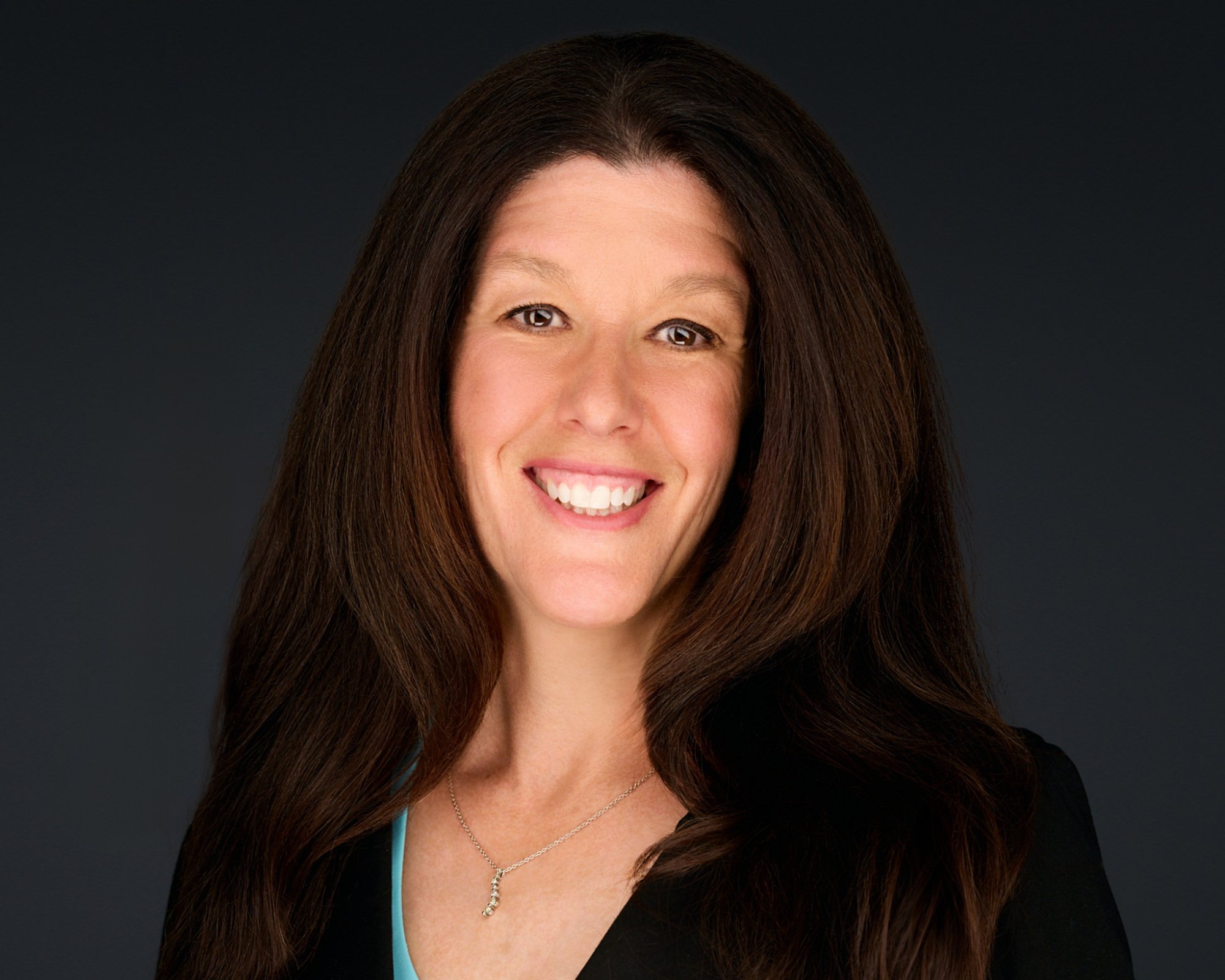
Lea Genders is a board-certified health coach, personal trainer, and workplace wellness consultant based in Fort Worth, TX. She offers corporate wellness programs for employee health and productivity, as well as in-person and virtual training / coaching for individuals worldwide. Her blog shares expert guidance on strength training, running, and sustainable nutrition @fortworth_trainer


Meal prep sounds so Type A, but here’s how a self-proclaimed queen-of-good-enough does it: protein, veggies, and dinner without the Sunday prepping marathon, plus why the best meal prep food is the kind you’ll still want to eat on Wednesday.