I turn 52 this week! 🎉
The thing about age is that how we view it usually depends more on perspective than facts. When I was a teenager I thought anyone over thirty was ancient. Remember that show Thirtysomething? At 15, I distinctly recall thinking, Why would anyone want to watch a show about a bunch of old people? haha. Then I turned thirty and thought it would be all downhill from there. I assumed older people wished they were young like me, and life gets worse (more boring?) as you get older.
Looking back, that all feels so silly. At fifty, the “young” women in my office were thirty. Then my perspective shifted again, and I realized I could choose how I view my own age. When I look at my parents in their late seventies, I realize they look at me in my fifties, or themselves at this age, and see someone who is still so young. I heard once that the definition of “old” is 15 years older than you are today. It’s not reality, it’s perspective.
As a personal trainer and a health coach, many of my clients are over fifty. They chase big goals, build strength, and some even participate in races in their sixties and seventies (and beyond!). I am so inspired by them every day. Fifty-two is the youngest I’ll ever be from here on out. It would be such a shame to walk around feeling limited by a number or making choices based on what an ‘older’ person is supposed to do, when in fifteen to twenty years, I will look back and think, "But I was so young."
On my 52nd birthday, I'm reflecting on all of this. I feel strong, fit, happy, and full of energy. Many people my age share stories online about feeling invisible, facing age discrimination, or feeling the physical aches and pains attributed to getting older. Those experiences are real and valid. While my path has felt different, I recognize that everyone has different circumstances, health histories, and lived experiences.
For me, mindset plays a big part in how I move through this life. If I constantly tell myself I am old, I might start acting like it. At the same time, mindset is just one piece of the puzzle.
As a coach, I know aging requires us to listen to our bodies, prioritize recovery, and respect our current fitness levels. The real disservice we do to people over fifty is assuming what they can or cannot do based on their age alone, rather than their individual training history and experience. You don't need to limit your movement choices unless you physically need to.
Is It Really Age?
So how do we stop letting our age decide how we feel? The first step is questioning our thoughts. For example, when I have a thought like, “I am too old,” it’s worth pausing and asking: Is it really age stopping me, or something else? There are certainly reasons, such as pain, limited mobility, or maybe even fear of injury, but those things aren't guaranteed past a certain age. Once we identify the root issue, we can work from that instead of assuming we can’t do something simply because we are older.
I didn’t even start exercising until I was thirty. I spent early life believing that I was fundamentally not an athletic person. Clearly, I had some skewed ideas about what I was capable of, because not only did I discover it for myself, it is now my career (and life’s purpose) to help other people become more athletic. This is a good example of how our thoughts, or what we believe about ourselves, can limit our potential.
Once we address any limiting thoughts we might have about age and ability, we can start thinking differently about why we exercise at all.
Redefining Fitness Goals for Independence and Functional Strength
What does getting fit mean? How does that compare to what it meant when you were in your twenties or thirties? The biggest change I see in others (and myself) is that getting fit used to be about the reflection in the mirror, but as we age, daily function is more critical. Not having to rely on others to help move heavy objects, carry groceries, or carry travel bags. Being able to get up and down from the floor, chair, or toilet! Moving without pain. Playing with kids or grandkids, and traveling. Suddenly, getting fit feels less like vanity and more like freedom and independence.
We start naturally slowly losing muscle mass from age thirty if we don’t do anything about it. It’s why it can feel like the struggle comes on suddenly at fifty, but it's been a slow decline of two decades of muscle loss. The good news is that it is never too late. You can build muscle at 20, and you can build muscle at 80. To borrow (and slightly hijack) that famous Chinese proverb about planting a tree: When’s the best time to build muscle? Twenty years ago. When’s the 2nd best time? Now.
How Much Exercise Do You Need to Build Muscle After 50?
The biggest mistake, and what probably holds some people over fifty back, is the thought that they have to train like they did when they were twenty or spend an hour in the gym every day. You’d be surprised at just how little it actually takes to maintain muscle. Two to three 20-30 minute resistance training sessions, or about one hour a week is very effective when you apply progressive overload, which means making it a little harder when it starts to feel easy.
The key here is to start where you start. There is no reason to rush progress, and this applies to all ages. Once you realize this isn’t a twelve-week challenge but a lifelong endeavor, you have the rest of your life to progress, so there’s no reason to push ahead and try to start ahead of where you actually are. No reason to think you need to prove anything in the gym or get so sore you can't walk for three days.
Heavy is relative. Start small; spend a few weeks or months building. Learn proper movement and technique with a weight you can control. Add weight slowly and incrementally, over time. Small increases in weight and volume over the long haul get results, not big efforts a few times in the gym. Respect where you are starting from, make sure you are getting the recovery you need between sessions, eat to fuel your training, and ask for help when you need it (sometimes the hardest part)!
The Best Part of Being Over 50
It was funny writing this post because I kept saying "older people," but I don't think people in their 50s are old. But maybe it’s like that joke: I felt 30 until I hung around a bunch of 30-year-olds, then I realized, yep, I’m definitely 50! But on the same note, I wouldn't want to be younger again; I feel like I survived youth by the skin of my teeth, haha. It seems every decade after thirty keeps getting better and better.
Maybe the best part of being over fifty is that I care less about what other people think, what people say, and I do what makes me happy. Having that kind of peace and freedom is a big part of good health. Sometimes I joke that I’ve always been an old lady, I’m finally just aging into her. I don’t mean that in a disparaging way. I love to get up at five am, eat dinner at five pm, then take a walk, read a book, and sip hot tea before I go to bed at 8:30. But I also love lifting barbells, running half marathons, and going to rock concerts.
What does feeling strong and capable look like for you right now, no matter what stage of life you are in? What is one small step you can take toward it today?
Lea
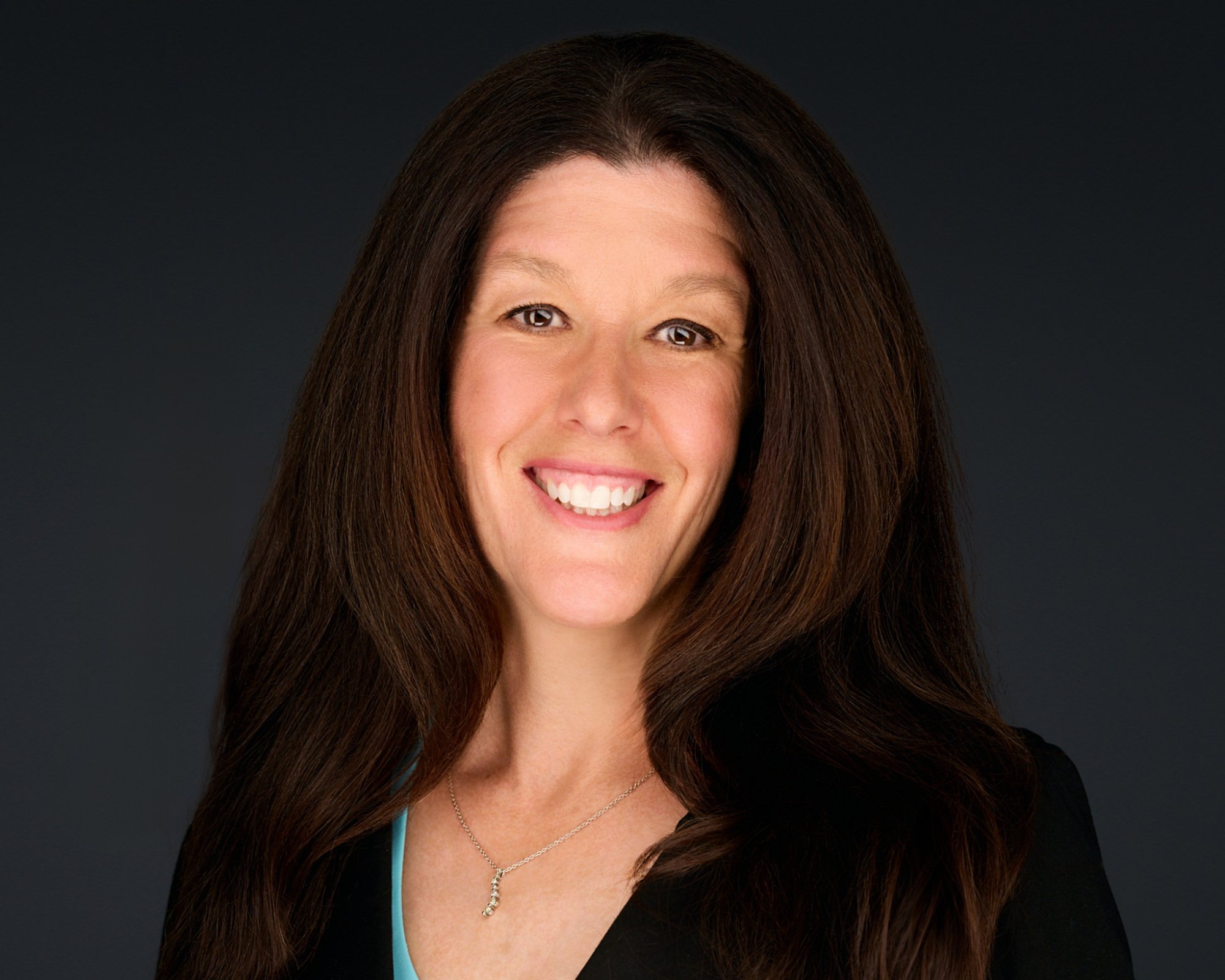
Lea Genders is a board-certified health coach, personal trainer, and workplace wellness consultant based in Fort Worth, TX. She offers corporate wellness programs for employee health and productivity, as well as in-person and virtual training / coaching for individuals worldwide. Her blog shares expert guidance on strength training, running, and sustainable nutrition @fortworth_trainer


A look back at my 19-week training journey, my race day strategy, and how my vacation Tiki Beach 10K in Huntington Beach played out!