Every week, I write a new motivational quote on the whiteboard in the #shredshed gym. This week, it says: "The journey is the destination; find joy in the process, and you will see results every day."
““The journey is the destination; find joy in the process, and you will see results every day.””
As a health and fitness coach, I notice a quality in my most successful clients: the ability to embrace healthy habits and training as a lifestyle. Clients who are curious about what is possible, rather than locked into strict deadline goals, not only succeed more often; they find far more fulfillment in their training.
Redefining What Health and Fitness Results Look Like
New clients often ask in their first few sessions, "When should I expect to see results?" My answer is always that it depends on how you define results. You can feel better, improve your energy, and build confidence within the first couple of weeks, sometimes even days. When someone’s goal is hyper-focused on the number on the scale or a specific metric on a tight timeline, they often end up frustrated and quit before giving themselves a real chance.
This doesn't mean you shouldn't set specific, timely outcome goals. However, clients who remain flexible with timelines, recognize non-scale improvements, and learn to appreciate the daily work build the sustainable habits required to reach those long-term goals.
What Are Non-Scale Victories?
Non-Scale-Victories, otherwise known as NSV, are the most important achievements. The scale is deceiving because it never tells the whole story, and it's easy to misinterpret what the numbers mean. Sometimes the scale goes down, but if you lost a lot of muscle, that is a poor result, though many people wouldn't see it that way. Then, often, when you are losing fat and gaining muscle at the same time, the number on the scale doesn’t drop. It's the best result you could hope for, but people get frustrated when the number isn’t moving. Sometimes we let our attachment to the number on the scale cloud our emotions, leaving us frustrated over things that don't really matter for long term success.
Monitoring your weight can be helpful, but tracking non-scale metrics keeps you moving forward. Progress might look like better sleep, more energy, moving with less pain, lifting heavier weights, improved blood markers, better health, increased confidence, easier movement, improved daily function, better fitting clothes, or better athletic performance, among other things. You could have all these positive results and never lose a pound on the scale. Wouldn't it be a shame to miss out on being proud of yourself for these outcomes?
The Behavior Change Science Behind Process Goals
Behavior change science supports that focusing on process goals leads to greater long-term success than fixating purely on outcome goals. Saying "I want to lose 20 pounds in ten weeks" creates an achieve-or-fail mindset, even though you can gain many meaningful steps forward on that path if you don’t hit your target number exactly. Would you feel like a failure if you lost fifteen or even ten? What if you stayed the same weight but lost a pants size? What if your blood pressure went down and HDL went up? What if you built bone density?
Learning to look for strengths and positive momentum in everyday activities serves you best in the long run. We get better results when we practice self-compassion and acknowledge small steps forward, rather than putting too much pressure on ourselves or beating ourselves up. If being hard on ourselves worked, wouldn’t it have worked by now?
Conversely, focusing on actionable habits (like hitting daily protein targets, increasing movement, managing calories, sticking to a bedtime routine, or completing your scheduled workouts) helps you achieve your goal every single day. When you celebrate those daily micro-successes, consistency becomes second nature.
How Control and Consistency Drive Sustainable Progress
Why does this work? Because we focus on what we can control, not what we can't. We have the most control over our actions, and less control over specific outcomes on specific timelines.
It's more sustainable and effective to have flexible outcome goals on a specific timeline (such as focusing on general body recomposition and energy improvements over a season) or a specific outcome goal on a flexible timeline (such as aiming to hit a 200-pound deadlift whenever your body safely adapts, rather than rushing it in eight or twelve weeks).
What I’ve seen with my clients over the last decade is the more we force and create stress around an outcome, the less likely it is to happen. When we let go, focus on what we can control, and recognize every little step of progress, training becomes genuinely enjoyable. When we’re having fun, we can keep going long enough to get the results we are after, because we tend to overestimate what we can achieve in twelve weeks, yet underestimate what we can accomplish in a year or longer.
Strengthening Self-Worth Through Daily Wins
The real saboteur is putting your self-worth on the line. Somehow, you feel like if you don't lose the weight, don't hit that mile time, or break that PR, then you are a failure. Or, I see it all the time, downplaying our successes. “I ran this week, but I was as slow as a turtle through peanut butter.” or “Yeah, I worked out one day, but I should have done three.” or “I ate well all week, but fell off the wagon at a party this weekend.” Don’t get me started on self-deprecating “jokes” that aren’t helping.
When I ask my health coaching clients, “Tell me what went well this week,” they almost always start listing everything they did not do well. I usually have to gently redirect them: “We can get to that later, but let’s start with what you did right.” It is surprisingly hard for most people to celebrate their progress. By constantly undermining your wins, you add unnecessary stress and drain the energy you need to keep going. Instead, take pride in what you accomplish, focus on how to build on those successes, and let your mistakes be lessons rather than proof of failure.
That's the beauty of process goals: since we have so much more control over our actions than outcomes, and you can build and maintain that positive self-worth day by day. You can see the small gains in progress, and that gives you the intrinsic motivation to keep going.
It’s worth thinking daily, or at least weekly: What are my wins? What did I do really well? Then build on those wins. This is the step-by-step process for making healthy actions part of your lifestyle. Set a process goal that you can reasonably accomplish this week. Look back after the week and celebrate every small win. Then reflect on where you fell short, and instead of self-judgment, show yourself compassion and see what you can learn from it. That’s it. Rinse and repeat.
(spoiler alert: this doesn’t just work for fitness, but for any of your personal goals.)
YOU TRY IT:
What small and achievable process goal can you set this week to kick off celebrating your small wins? Here are a few daily prompts you can follow:
What was my process goal today?
What was my non-scale win?
How did I show myself compassion?
What can I learn for next time?
I’d love to hear what you come up with. If you need support around goal setting, programming, or progressions, please reach out. I’d love to help. I have a few openings for both in-person training in Fort Worth and online coaching.
Lea
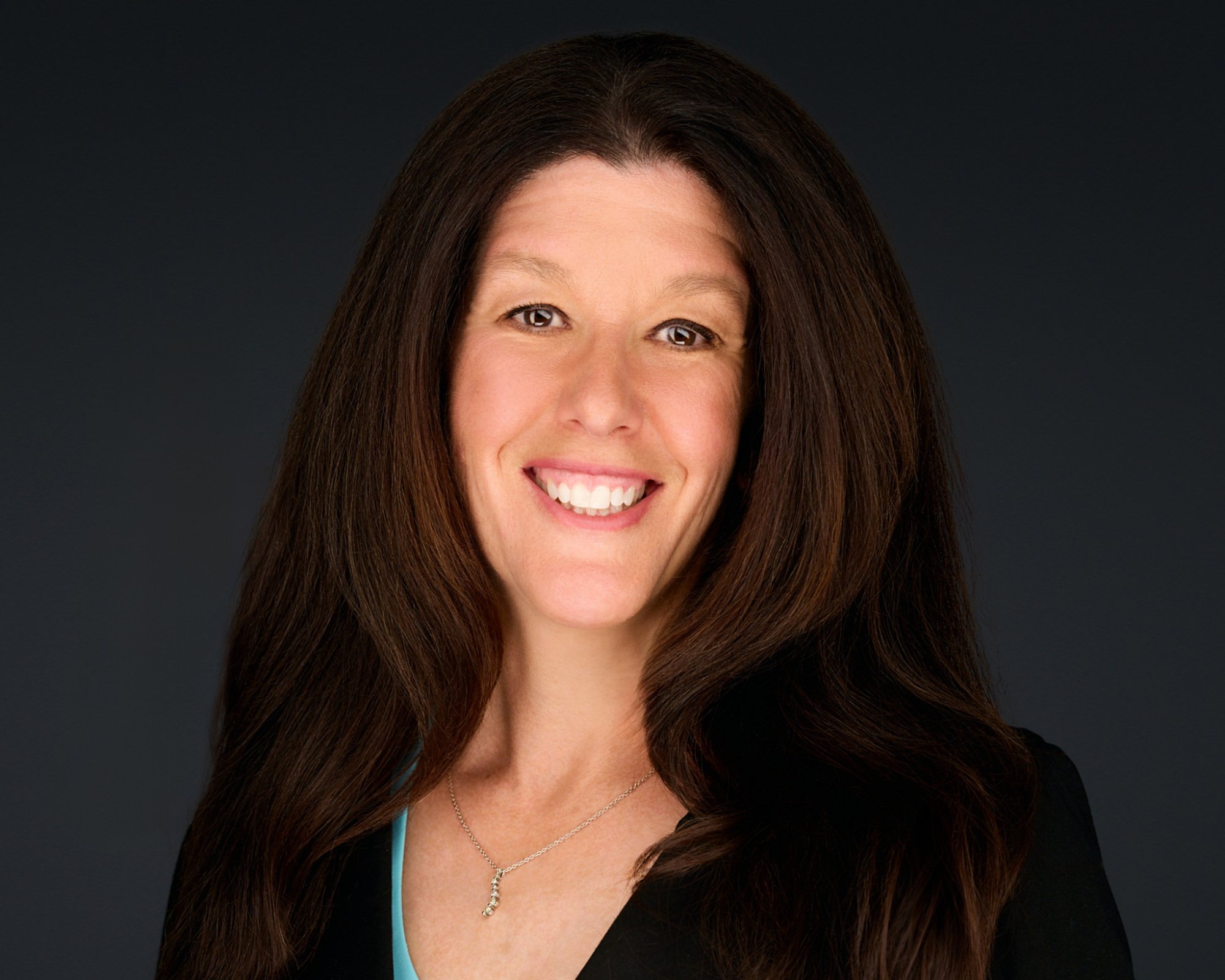
Lea Genders is a board-certified health coach, personal trainer, and workplace wellness consultant based in Fort Worth, TX. She offers corporate wellness programs for employee health and productivity, as well as in-person and virtual training / coaching for individuals worldwide. Her blog shares expert guidance on strength training, running, and sustainable nutrition @fortworth_trainer







I’d been calling my runs easy effort all summer. My heart rate disagreed, and the same thing might be happening in other parts of your life. In today’s post I talk about the difference between high tolerance and easy effort, and how that applies to sleep, stress, and recovery.