
There is a guy in my neighborhood who only runs in the middle of summer, during the hottest part of the day. Like, seriously, I never see him in the cooler temperatures other times of the year. This has been going on for years. He’s an older guy (read: my age or slightly older) with an average build, and around our house, we call him the “Self-Inflicted-Pain-Guy” when we see him out there suffering.
Maybe his schedule keeps him busy every hour except 3:00-4:00 p.m., June through September. Or maybe he’s training for a yearly marathon in Death Valley. Someday, maybe I’ll stop him and ask.
I laugh, but lately, I’ve been wondering why I’m often a “Self-Inflicted-Pain-Girl” myself.
I ran all summer with remarkable consistency. Then the week the heat broke, I started waffling. It’s the coolest, most gorgeous running weather we’ve had since February, and I missed my run twice this week.
Why? Is it because I like self-inflicting pain by only running when it’s hot? No, it’s because during a 100°F summer, the weather decides for me. If I don’t run early in the morning, it’s practically impossible to run later. (Unless I ask Self-Inflicted-Pain-Guy to be my new running partner.)
But as soon as the weather improves, I suddenly have a choice about when to run. I think, I have all day! I can run after my morning clients, or right after lunch, or just before dinner. But too many choices often either lead to overwhelm or choosing the path of least resistance.
When I have too much freedom, my brain starts negotiating with itself. 🎶 Should I stay, or should I go now? 🎶 Then sometimes I end up doing nothing at all.

Discipline Is Mostly Good Design
From the outside, it might have looked like willpower, but the weather was setting my schedule. It wasn’t discipline that got me up in the morning to run; I had no other choice if I hoped to run that day. You might not think a lack of choices is good, but when you design your environment, you can use it to your advantage.
I remember a long time ago, I had a conversation with a woman who had been laid off. She told me, “When I start working again, I’ll be able to exercise.” At the time, I thought that sounded unbelievable because, from my perspective, my job was taking up the time I’d use for exercise. She said she would exercise more with more structure in her day, while I was dreaming of less structure so I would have more time to exercise, which proves my point. Structure creates the opportunity, not necessarily a wide-open day. (This is good news if a wide-open day is a fantasy right now.)
Neither of us was exercising way back then, and we both had our reasons. Now, many years later, I’ve been on both sides. I’ve worked a stressful 9-5 with a regular exercise routine, and I’ve also had a wide-open schedule, so I better understand her perspective. It was easier when I was busier because I had fewer choices and less decision fatigue. Once I decided to do it, all that was left was to execute.
“I’m Just Too Busy”
But I get it. Busy is real. Many of my clients juggle demanding careers, busy families, and an active social life. So how can you make busy work for you? It’s not about cramming your calendar or winning the discipline Olympics by burning yourself out. The question isn’t how much available time you have, but what you can prioritize on your calendar. The caveat is that something is always better than nothing. Too often, we think if we don’t have a full hour for exercise, we don’t have time; twenty minutes a day adds up to over two hours a week, and it all counts.
Environment Wins
Our environment shapes our daily choices and habits more than we give it credit for. Most environment advice stops at reminders: place the running shoes by the door, put the apple in plain view. Those are fine, but the Texas summer heat wasn’t a reminder; it was a constraint. It didn’t remind me to run early; I had no other option if I wanted to train outdoors. The weather is an uncontrollable part of our environment, and I used it to my advantage (without realizing it).
So what can we control? And what is fixed? Look at your routine, like school pickup or your first meeting, and schedule the workout around those instead of hoping a free slot shows up. Bring other people into the equation, like a standing appointment with a trainer or a friend, or a paid membership you lose the session if you don’t show. Or a non-negotiable slot on your calendar, even if it is just twenty minutes. Pick the one that fits your life.
Decide Once
Every open slot can become a negotiation, so pick a time once, then stop re-arguing it every day. For me, that means early mornings before clients, the same routine, and not relying on my fitness tracker’s readiness score to tell me how I feel. Every time I leave the decision open, I give my brain a chance to talk me out of it, and it’s annoyingly good at it. I’m guessing Self-Inflicted-Pain-Guy doesn’t wake up in the summer wondering if today’s the day. At three o’clock, he goes.
I’ve noticed that when I put my brain on autopilot and do what needs to be done without overthinking it, it’s much less mentally taxing than keeping it in the back of my mind all day.
Your Turn
Pick one thing you keep meaning to do, and remove one choice around it this week, just one. Pick the time, whether it’s twenty minutes before your next appointment or thirty minutes before bed.
So here’s my theory. I thought the guy running at 3 p.m. in the summer was the one inflicting the pain. Maybe it’s me, standing in the kitchen arguing with myself about when to run.
I wonder how Self-Inflicted-Pain-Guy would feel knowing that after the last several summers he inspired a blog post about discipline, structure, and environment. When I see him next summer, maybe I’ll tell him, but I might leave out the part about his nickname. Let’s keep that between us.
Lea
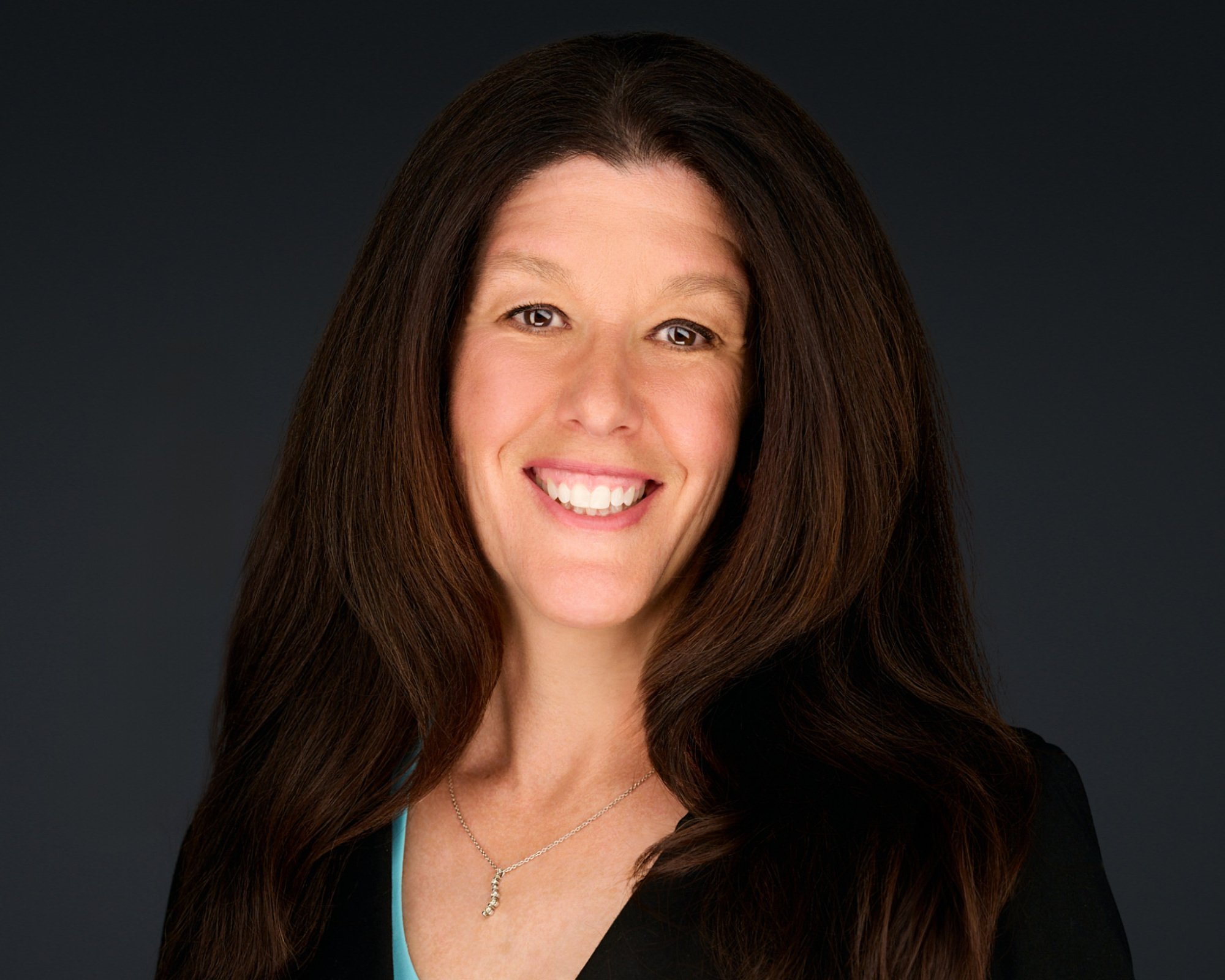
Lea Genders is a board-certified health coach, personal trainer, and workplace wellness consultant based in Fort Worth, TX. She offers corporate wellness programs for employee health and productivity, as well as in-person and virtual training / coaching for individuals worldwide. Her blog shares expert guidance on strength training, running, and sustainable nutrition @fortworth_trainer







A guy in my neighborhood runs only in the hottest part of the day, in the hottest months of the year. We call him Self-Inflicted-Pain-Guy. I laugh, but lately I’ve been wondering why I’m often Self-Inflicted-Pain-Girl myself. What if I’ve been mistaking discipline for structure?