52 Healthy Habits: Running Coach Tips to Stay Safe and Sane on the Summer Run Streak

Ahh...Summer is almost here and while most people kick off the unofficial start of summer with a backyard bar-b-que, we runners usually strap on our kicks and participate in Runner's World annual Summer Run Streak.

This week as part of our 52 healthy habits series, we are talking about the Runner's World run streak.

What's a Run Streak, you ask? It an an annual event when runners commit to at least one mile every day from Memorial Day through Fourth of July and share their progress on social media using hashtag #RWRUNSTREAK. 

If you follow this blog, you know I am big on healthy habits and lacing up those running shoes every day for 37 straight days is a fabulous way to establish a consistent running habit while maintaining your fitness through most of the summer.

As a running coach it is my mission to make sure that we all stay safe and sane throughout the streak. You can read Runner's World official FAQs here, but here's my take on the run streak.

1. KNOW YOUR WHY

Why do you want to run the streak? To stay motivated through the summer? To establish a regular running habit? Or because all the cool kids are doing it on social media? It's great to do it just because it's fun, but after a couple of weeks, having a reason why you want to achieve this goal will keep you going once the initial excitement wears off. 

2. MAKE A PLAN

run streak tracking and planning calendar free download

run streak tracking and planning calendar free download

If you don't usually run every day, make a plan as to when you will fit in your mile each day. Most people will be able to run the mile in 15 minutes or less, so decide if you will get up early, run at lunch, right before dinner (or whenever works for you). Schedule your run on your calendar so you know exactly when you will get it done each day. Here in Texas, the summers can get pretty hot, so I use the running streak to motivate myself to get up early before work and run at least one mile.

Make a plan for when things don't go your way. What if it rains? What if you have to work late? What if your dog ate your running shoes? Ollie! Think ahead about how you will handle potential obstacles, because nothing worth doing comes easy. I suppose we could hope that 37 days go by without anything going wrong...there's a first time for everything, but we'd be better off to be prepared for challenges. 

3. ALTERNATE SHOES

While the streak goal is to run at least one mile every day, a lot of runners will probably choose to run more than one mile on some days. When running on subsequent days, it is a good idea to alternate between two pairs of running shoes. Simply changing shoes every other day can help decrease the chance of repetitive use injuries. 

4. DON'T NEGLECT REST AND RECOVERY

On your normal rest days, you will still be running one mile to keep the running streak alive. These days should be very low intensity (aka sloooooow). I can't stress enough the importance of resting your body. While you will probably run a few runs during the week that are longer in distance and higher in intensity, I highly recommend at least two or three days a week of just one very slow easy mile to allow your body time to recover.

5. SLEEP WELL

Speaking of recovery, since you may be putting additional stresses on your body during the streak, it is more important than ever that you aim for seven to eight hours of sleep. It is during rest that the body grows stronger and faster. Make a plan for a good night's sleep. It is a healthy habit that will serve you long after the run streak is over. Here are some tips on how to create and follow a sleep ritual.

6. RAMP UP SLOWLY

If you are not running at all and using the streak to get back on track or start a new running routine, I recommend starting with just one mile a day. No more. Too much too soon will only lead to burnout and possible injury. You can increase your miles as the streak progresses and your fitness levels improve. 

If you are already running a few days a week, start with two to three regular runs during the week and four to five one mile days (according to your current fitness levels). Think about the normal amount of time that your body is accustomed to running each week. To stay safe and injury-free, don't drastically increase the amount of time hitting the pavement.

7. LISTEN TO YOUR BODY

This is fun and we will all be showing off our streak on social media, but no streak is worth your body's health. If you feel aches and pains (other than normal soreness) then I highly recommend that you listen to your body and take some time off as needed. Pain is your body's way of telling you something is going wrong. Ignoring pains will only lead to more serious injury. No streak is worth that. Here is a post I wrote on the difference between pain and discomfort. 

8. THERE'S NO SHAME IN WALKING

Technically speaking, the Runner's World rules say that walking doesn't count. I disagree. Besides, a Runner's World official streak moderator isn't going to jump out from behind the bushes to issue you a citation for walking. Please feel free to run/walk your miles as needed to stay to safe and sane. 

9. BE SOCIAL

If you made it through all my coach safety talk, I want to remind you to have fun and be social. Post pictures (aka selfies or shoefies) of your daily runs and use the hashtag #rwrunstreak on Instagram and/or Twitter. Search the hashtag and leave comments to encourage your fellow run streakers!

Let me know how it goes. I'll be on the lookout for you on social media. 

It's Memorial Day so I also want to take this time to express my gratitude for the men and women of the US armed forces who made the ultimate sacrifice for my freedom. 

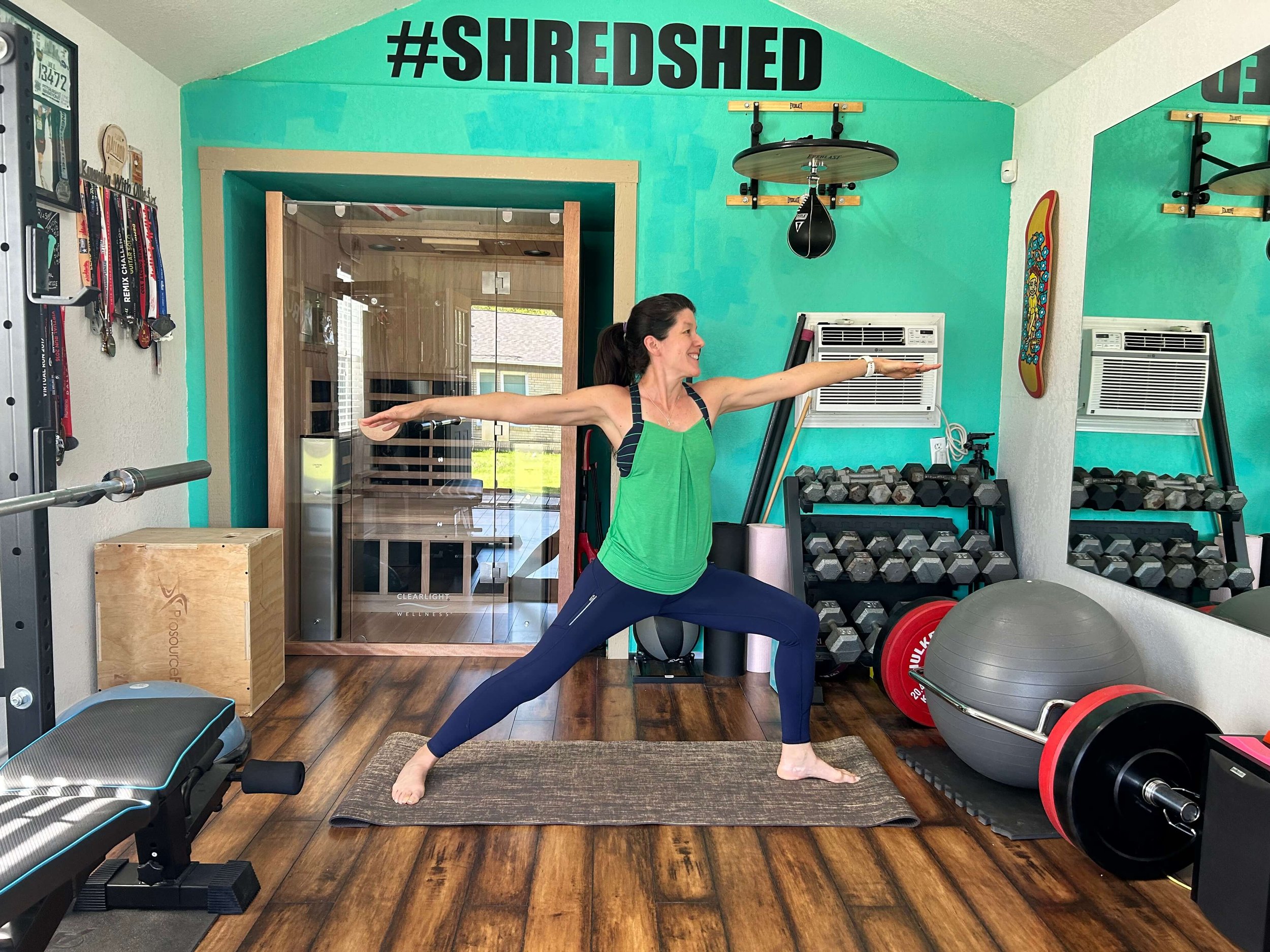
scenes from the #Shredshed

scenes from the #Shredshed


How to Grocery Shop Like a Nutrition Coach

This post was almost called how to grocery shop like a boss, but I'm not the boss, (don't even get me started on the whole girl-boss, boss-babe trend). I'm a nutrition coach. Let me show you how to grocery shop like I do. We make healthy choices most of the time and enjoy indulgences as part of as balanced lifestyle. We are smart about how we shop and spend our money. We make educated choices. Here are a few tricks of the trade to get you started on the right foot. 

Make a Grocery List/Meal Plan

Go to the grocery store with a list of the items you need to buy for your meals next week. If you do the majority of your shopping in one day you'll save time and money. Stick to your list to limit impulse purchases. Try to never go the grocery store hungry...or else you may end up with cookies and ice cream in your cart (any resemblance to actual events in my life is purely coincidental).

If when you think of meal planning you conjure up images of stacks of tupperware with chicken and broccoli, then you have the wrong idea. Sure that's how some people do it, but meal planning can just consist of taking time once a week to decide what you will eat. How does the saying go? If you fail to plan you are planning to fail. 

Jot down what you will eat for the upcoming week. Having your meals decided ahead of time takes the guesswork out during the week. You're more likely to stick to healthy eating when you have a plan. Make a meal plan and a grocery list. Write it all down.

I grill (or hubby does) enough chicken in one day for two weeks (refrigerate what I will need for the week and freeze the rest). I may prep my salads for the week. Everything else, we cook as we go.

Shop the Perimeter

The outside lanes of the grocery store is probably where you will spend most of your time when shopping for healthy foods. This is where you usually find the produce section, the meat deli, the dairy section and the beer aisle. Just kidding about that last one. Stock up on water! Of course you may need to stumble down some of the inner isles for 100% whole wheat bread or tortillas (see next point), frozen veggies and fruits, tea and coffee. 

Read the Ingredient List and Nutrition Labels

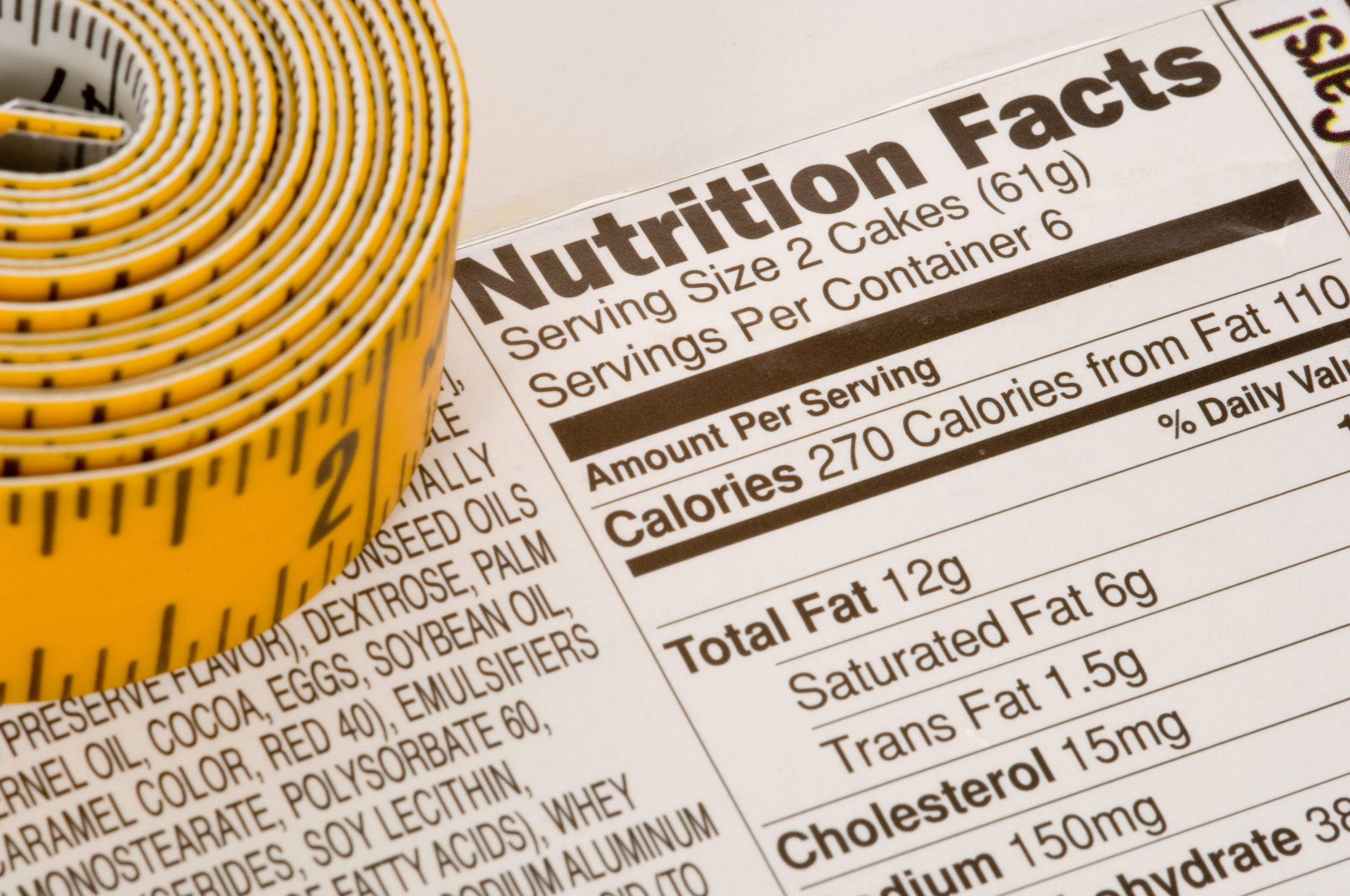
I read the nutritional label of every item that goes in my cart. I start with the ingredient list to make sure that I can recognize most and aim to choose items with five or less ingredients. Once a food passes the ingredient test, I check to make sure the calories, fat and sugar content are inline with my eating goals.

Ingredients are listed from highest amount to lowest, so if sugar is the first ingredient, it has more sugar than anything else. The ingredients will tell you if the package marketing is misleading. If it is labeled as 'wheat bread' then 100% whole wheat should be the #1 ingredient listed on the package. If it says 'whole grains' and grains are listed towards the bottom of the ingredient list it means there are not many whole grains included (just enough to add the whole grains marketing label!).

I make note of the serving size, because often times food manufacturers will make the serving size unreasonably small to make the calorie content seems less. Who ever ate a 3/4 cup of cereal? No one. That's who. 


Ignore Marketing Labels

Food labels are tricky. Food marketers are getting sneakier. They slap labels like all-natural, low fat, low carb, GMO-free, organic, sugar-free, Gluten-free, whole grain and healthy onto all kinds of processed foods that are not healthy at all. 

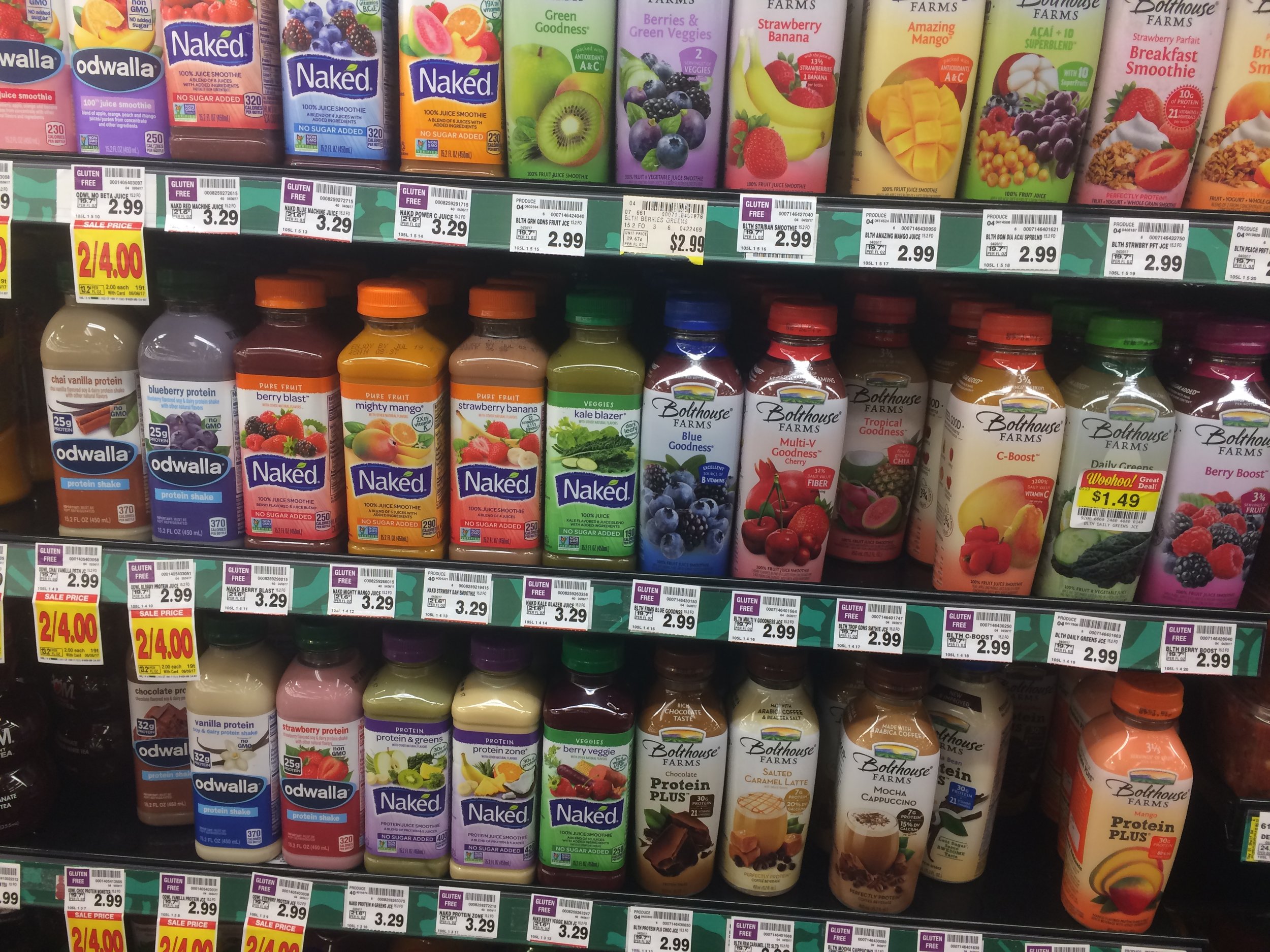
I am not saying that foods with these labels are never healthy, I'm just saying that because it has one of these labels does not automatically make it healthy. Organic Oreos are still junk food (sorry). Gluten free cupcakes are still...well, cupcakes. Organic vegetable chips often aren't even made from vegetables. Yogurt cups are one of the worst offenders, marketed as a health food but often full of sugar and other unhealthy ingredients. Vitamin water? Loaded with sugar. You can eat these foods in moderation if you want to as part of a healthy lifestyle, just as long as eat them with full knowledge that they are not health foods. 

When fat is removed they usually add a lot of sugar and hydrogenated oils to make it taste delicious and slap a low fat label on it. When sugar is removed, they usually load it up with artificial sweeteners and market it as low sugar. You can almost never trust the food marketing labels alone. 

Pro Tip: If a packaged food has a healthy-sounding label it is usually a red flag that it might not be healthy at all. Always read the ingredients and nutrition label to verify.

It's not that I don't ever buy unhealthy foods, it is just that I buy them with my eyes wide open. I am not fooled by marketing labels into thinking that unhealthy foods are healthy for me. 

Most of these seemingly healthy drinks are not healthy at all. (shakes fist at food marketers)

Most of these seemingly healthy drinks are not healthy at all. (shakes fist at food marketers)

Buy According to The Arms Reach Rule

I would never claim that I don't buy or eat unhealthy foods. I do it all the time, because I am a big believer in balance. However, I make a point to not buy and store unhealthy foods in the house. I'll tell you right now, if there is a bag of sea salt and vinegar potato chips on the counter I will eat the whole bag. Every time. Hubby sometimes buys candy and puts it in the freezer. I would never go to the store and buy candy, but when it is in my house I usually will eat it. What can I say? I'm human.

I try to avoid this issue by limiting the packaged unhealthy foods in my house. If I only have healthy choices within arms reach, most of the time I will eat those healthy foods. Let laziness work in your favor. It takes a lot of effort to put on pants, get in car, drive to the store, deal with people, buy unhealthy snacks and drive home. It's less hassle to just eat that apple on the counter. 

Only keep healthy foods within arm's reach. Yes, I know this is harder when you have kids and family members with different priorities. I suggest that you continue to hold yourself up as being the healthy example in your family. Once they see first hand the benefits of your healthy living, they may come around.

Need help with your nutrition strategy? Tired of dieting? Want help developing healthy habits while staying sane and balanced? My nutrition and lifestyle coaching program begins in June, get on the list for a big pre-sale discount. 


Like this post? It helps me when you share with your friends or followers


Strength Training for Runners Program Introduction

Welcome to the latest edition of Workout Wednesday! I am really excited to introduce you to my new strength training for runners program* that encompasses both running and strength training.

Runners often want to start strength training to improve their performance but are not sure how to fit it all in. If you want to try a strength training program that compliments your running program and doesn't take up eight days a week, this is for you.

Many years ago, before I was a trainer, I went to see a trainer in the gym. I was a runner and I had heard that strength training would help my running, so I enlisted an expert to help me. Except he wasn't the expert I had in mind. When I told him that I ran, he shook his head in disapproval while mumbling something about bad knees. When I did a squat as part of my assessment he told me he could tell I had early arthritis of the knee (that was 10 years ago. I don't have any such thing). He called me 'sweetie' one too many times and I left the gym frustrated and annoyed. I was going to him for help, but couldn't give me the help I wanted. 

I want to be that help for you. I want to encourage you to run and I promise to never call you sweetie. I want to help you run better, faster, more efficiently and while reducing the chance of injury. Some experts will tell you running is bad for you. I say if it is done responsibly, with the proper volume and intensity for your skill level, then running is a great exercise for most healthy people. Some people just need a little help understanding what the proper volume (amount of time/days in a training period) and intensity (how fast/how hard) should be. One of the biggest mistakes that new runners make is doing too much too soon. 

Whether you are a new runner just starting out who wants to do it right the first time (what's that like? hah) or a more experienced runner who wants to improve efficency and speed by adding strength training, I am here to help. 

*Here's the thing, I haven't written the program out yet. It's all still in my head. The idea is to build a structured program that encompasses your regular running routine and includes strength training without taking up every second of your spare time. Sounds great, right? I need to go through the program myself before I share it with you. I would never give a workout to a client that I hadn't done myself. 

I may have mentioned that I still work full time at my marketing job. I also write this blog and another one called Running with Ollie. I am taking on nutrition and personal training clients and I teach a bootcamp in my spare time. Oh yeah, I am also a wife and a dog mom and I keep my house totally spotless (just kidding about that last one). I spend most of my weekends writing these blogs, walking my dog...and not cleaning my house.

I've wanted to write this program for a long time, but I don't have time. Or do I? I seriously considered taking a week off of work to write it, take picture, make graphics, calendars, etc., but I decided on another route. Since I write this blog each week anyway (aka most of my weekend devoted to it) I thought I would release the program in stages, for free, to my blog readers. I will write the program each week and you can follow along if you subscribe to this blog. Once it is complete I will put the whole thing together on a PDF and offer it for download, maybe for a small fee. Follow along to get the slow drip blog version for free.

(I'm following my own advice here. I want to do something big and it seems overwhelming, so I am breaking it down to smaller, easier, more manageable chunks of work in a way that feels comfortable to me, blogging. How can apply you this same principle to some big goal that you want to achieve?)

There will be three phases of the program, each lasting one month. We will start at the beginning to build a running and strength foundation. We'll talk about exactly what that entails. After the 12 weeks, you will be a stronger, faster, less-prone-to-injury runner. 

It will include running workouts, short and efficient strength training workouts complete with a flexible training calendar for you to follow. We'll talk about goals, recovery and nutrition along the way, all important parts of any program.

Are you in? Subscribe to this blog to get weekly updates on the progress on the program. Follow along as I write it, try it out and give me feedback as we go. Get in on a ground floor.

STRENGTH AND RUNNING TRAINING CALENDAR

Here is a sneak peak at how the first week will look. Next week I will go into more detail on day one: easy run + strength training A. This will include what 'easy run' means and the specifics of the workout. I hope you'll follow along. 

Like this post? It helps me a lot when you share with your friends and followers on social media. 

52 Healthy Habits: 52 Healthy Snack Ideas, How to Avoid the Vending Machine

Welcome to the latest edition of 52 healthy habits, where each week we tackle a new healthy habit. Living a healthy lifestyle is not about willpower or motivation. It's all about your habits day in and day out. Establish healthy habits then you'll live a healthy lifestyle.

It doesn't matter if you are starting your journey this week or have been living healthfully for the last ten years, there is always room for incremental improvements. Small steps lead to big changes over time. 

This week we are talking about snacking. The secret to success with snacking is planning ahead. A daily trip to the vending machine can turn into an unhealthy habit if you're not prepared. 

I love snacking. I prefer to eat slightly smaller meals and then spread out the calories over a morning and afternoon snack. I usually prepare and bring my lunch to work and add a variety of healthy snacks to my bag.

Here are 52 reasons to avoid the vending machine. You'll never succumb to the pull of the quarter machine when you have healthy snacks in your back pocket (literally or figuratively). Here are some ideas to get you started. 

52 Healthy Snack Ideas

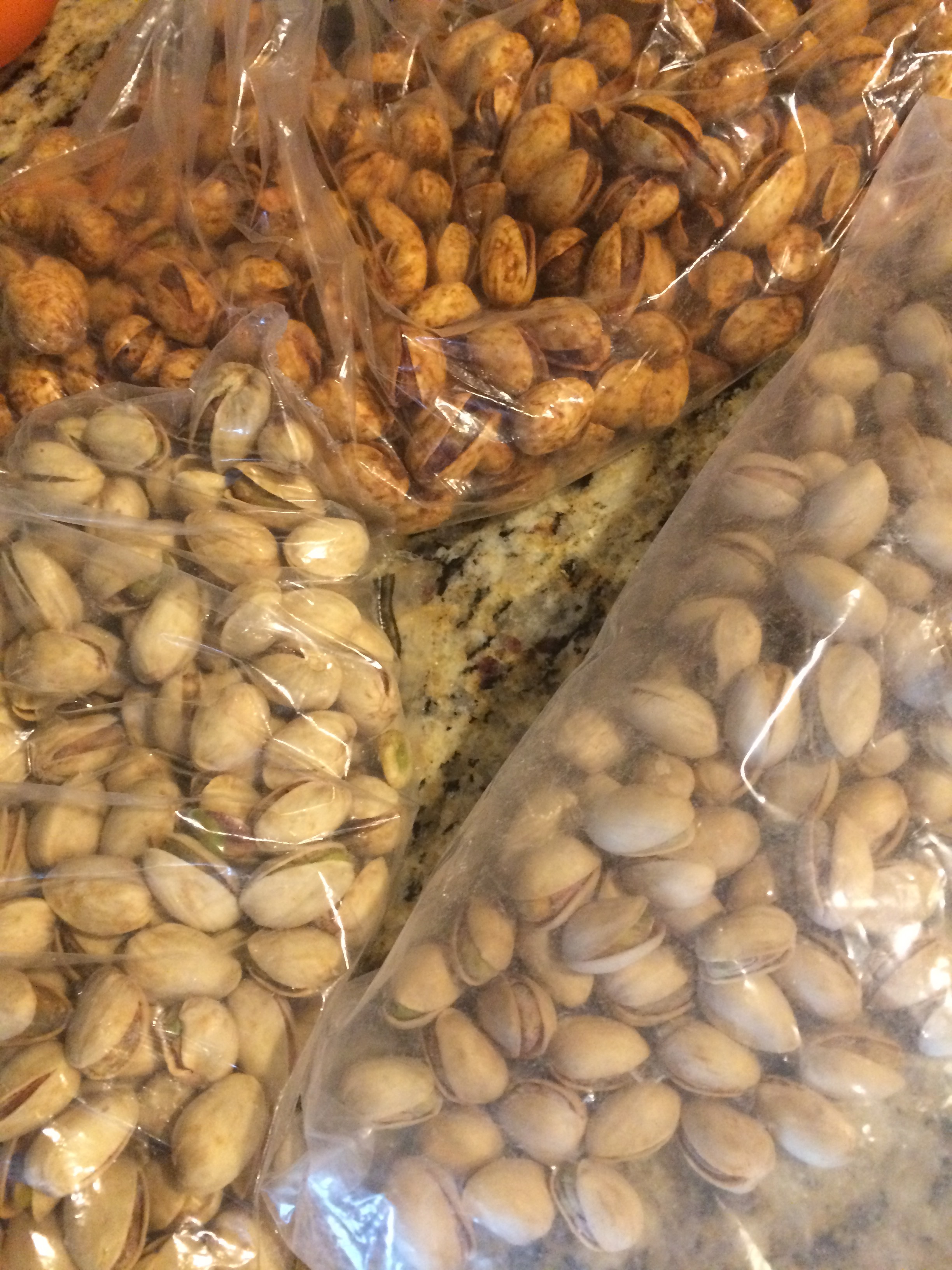
1. Pistachios

2. Cashews

3. String cheese

4. Plain Greek yogurt with berries

5. Cottage cheese with berries 

6. Cottage cheese with pineapples

7. Fruit salad

8. Baby carrots and hummus

9. Apple slices and natural peanut butter

10. Celery and natural peanut butter

11. Cherry tomatoes with mozzarella 

12. Grapes

13. Protein bites

14. Almonds

15. Orange or clementines

16. Raisins

17. Mini peppers

18. Banana and natural peanut butter

19. Hard boiled eggs

20. Cherries

21. Protein shake

I am a Premier Protein ambassador. All opinions are my own. 

I am a Premier Protein ambassador. All opinions are my own. 

Or mix your own protein shake. Click image for recipe.

22. Raw veggies with guacamole

23. Sunflower seeds

24. Sugar snap peas

25. Tuna lettuce wraps

26. Natural turkey roll ups

27. Edamame

28. Natural peanut butter on whole wheat toast

29. Avocado on whole wheat toast

30 Cucumber slices with tuna

31. Small garden salad

32. Shrimp with cocktail sauce

33. Natural turkey jerky

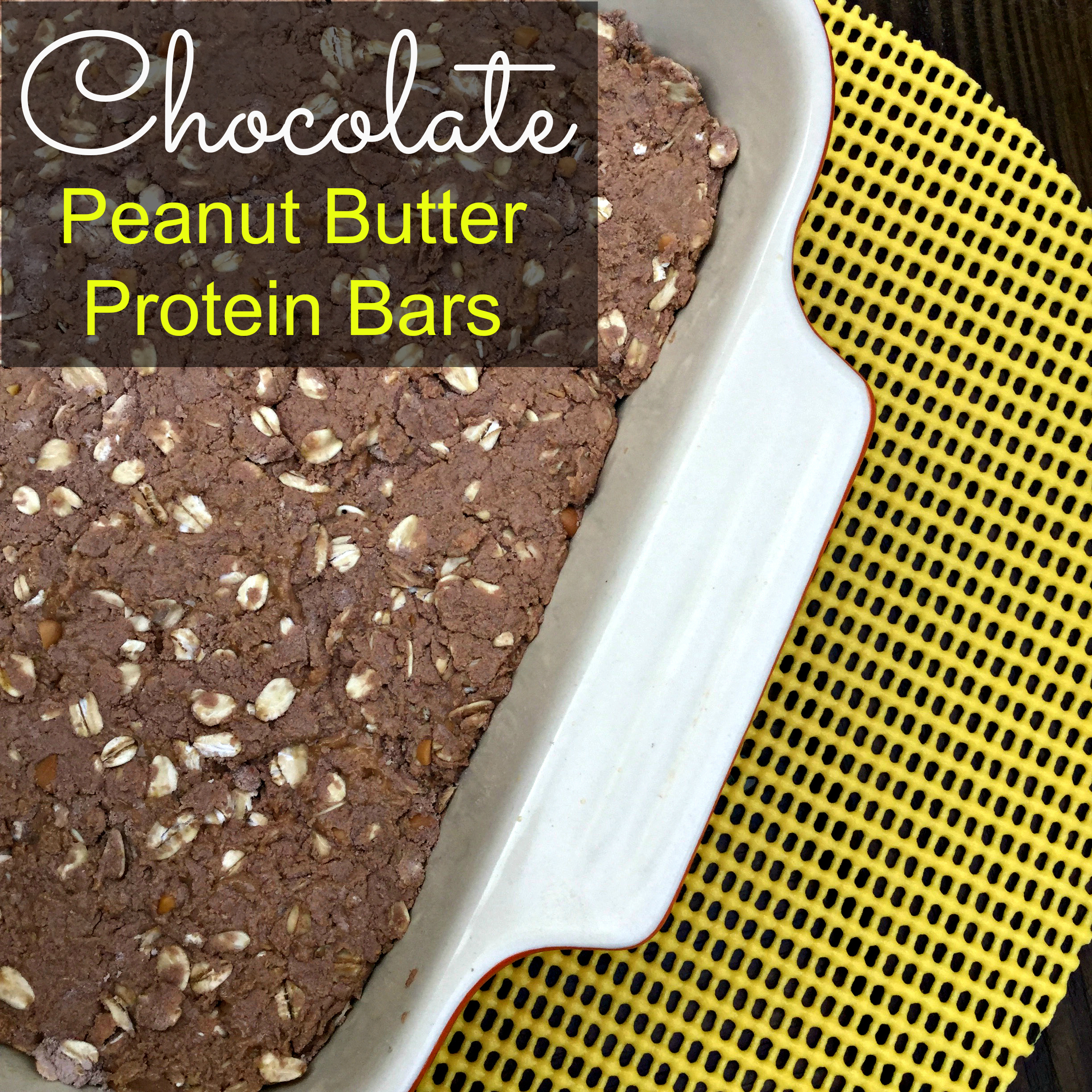
34. Homemade protein bars, click image for recipe

35. Unsweetened applesauce

36. Fruit skewers

37. Strawberries

38. Old fashion oatmeal (add berries and cinnamon to flavor)

39. Nut butters on a spoon

40. Natural granola

41. Raw veggies with Greek yogurt dip

42. Flavored tuna packs

43. Sardines

44. Sliced tomatoes with feta cheese

45. Marinated mushrooms

46. Air popped popcorn

47. Powdered peanut butter mixed with plain yogurt

48. Watermelon

49. Peach

50. Pumpkin seeds

51. Deviled eggs

52. Black beans and corn

My brain kind of hurts from thinking of 52 healthy snacks. hah. Did I miss any of your favorites? What's your favorite healthy snack? 

Need help with your nutrition strategy? Tired of dieting? Want help developing healthy habits while staying sane and balanced? My nutrition and lifestyle coaching program begins in June, get on the list for a big pre-sale discount. 

Need to catch up on the 52 healthy habits series? 

52 HEALTHY HABITS SERIES

week 1: Early to Rise
week 2: Track calories
week 3: Macro cycling
week 4: Morning pages (journaling)
week 5: Stop the scrolling (reading instead of social media)
week 6: Be a good student (take time for learning) 
week 7: Strength Training 15 minutes per day   
week 8: Eat more protein
week 9: Take a coffee break (break from caffeine)
week 10: Mindful eating
week 11: Create and follow a sleep ritual
week 12: 10 Easy ways to eat more vegetables 
week 13: A rant 
week 14: 10K steps a day
week 15: Drink more water
week 16: How to self-assess your food journal

Like this post? It helps me when you share with your friends or followers.


Goal Setting Exercise

I am working on a brand new program that includes a running plan, strength training for runners, an injury prevention tool box and a nutrition guide. 

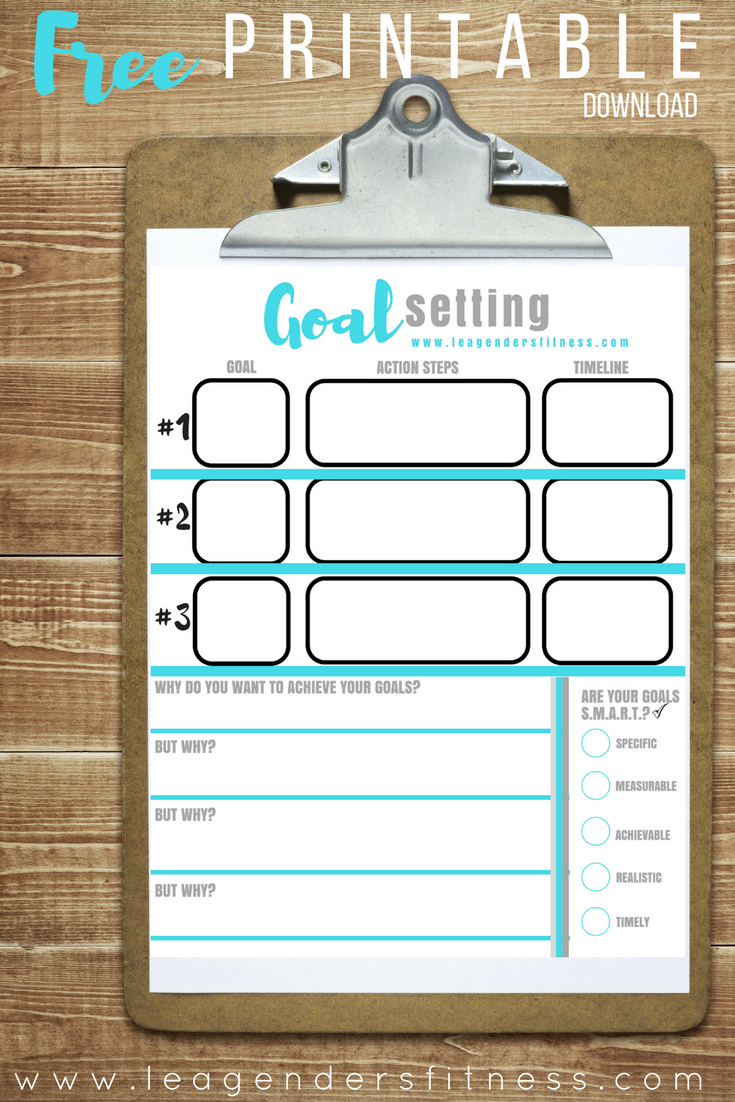
Before starting any new running, training or healthy-living program (we don't "diet" around here) it is a good idea to take some time to think about your goals. After all, if you don't know where you want to go it's kind of hard to get there. Set clear goals before starting any new program. Write down your goals for the best results. Yes, on old fashion paper. Did you know when you write down your goals you are more likely to achieve them? Of course you still have to do the work, but the first step is to write them down.

BE SMART

Get specific. Make sure your goals are S.M.A.R.T.  Specific, Measurable, Achievable, Realistic and Timely. Instead of saying that your goal is to run faster, it is better to say you want to decrease your 5K time by 30 seconds per mile in 12 weeks by running four times per week, including three or four 20 minute strength training workouts and eating properly for running performance. Be specific as possible with a goal that you can measure, that is realistic and achievable within a reasonable timeframe.

FOCUS ON ACTION

Goals don't achieve themselves. Write down your goals then write down three to five things you can do every day (or every week) that will bring you closer to your goal. If your goal is to lose 10 pounds, your five action steps might be: 1. Eat mostly whole foods from natural sources 2. limit added sugars to 20-25 grams a day 3. walk 10K steps a day 4. Do a workout that gets your heart rate up for 30 minutes 3x a week 5. Sleep 8 hours a night. Then focus on action. You can't always control the outcome or timeline of achieving your goals, you can almost always control the actions. Focus on one new action at a time and build slowly over time. 

CHANNEL YOUR INNER FIVE YEAR OLD

The next step is to understand the why. Find your inner five year old. Did you ever tell a five year old to clean his room? But why? Because it's messy. Why? Because you left for school without putting your toys away. Why? Because we ran out of time and the bus was coming. Why? Because the bus driver is on a schedule. Why? Because our tax dollar pay him. And so on...

You want to lose weight? Why? To feel better. Why do you want to feel better? So I'll have more energy. Why do you want more energy? So I can do more things with my family without feeling worn out. Aha. The why is the family values. While you may want to lose weight to look sexier, there is often an underlying reason that helps connect you emotionally to your goal. If you want look skinnier so you can get more likes on instagram, you are less likely to achieve it. Find the reason that connects your goal with what you value in life.

Make sure you have a goal that you find meaningful. Make sure it is something you actually want to achieve instead of what you think you should want. Find your why. Dig deep to uncover your why for better success in achieving your goal. 

BE FLEXIBLE

Things change. Goals change. Sometimes you don't want what you thought you wanted six months ago. It's OK to change your goals as you go, in fact, it's a natural progression. It's not quitting. It's pivoting. It's evolving. It usually means you are growing. Don't feel the need to hold tight to goals that don't serve you anymore. When your goals no longer align with your values, it's time to pivot. 

SHARE YOUR GOALS AND JOURNEY

Some people say that social media is turning us all into cast members of The Walking Dead. People are walking into traffic and tripping into water fountains because they are too busy staring at that object permanently attached to their hand. But there are good things about the internet and social media. Leave the bad behind (caring about likes, drama and fake news) and embrace the good. Social media allows you to connect with like-minded people all over the world. If you are a knitter who loves basketball and techno music, there is probably more than one other person in this world with those same passions. You can find them on the internet. If you happen to love running, reading blogs, working out, alternative rock music and dogs, then hey, we should probably be friends, because that is what I love. 

Tell your friends and family your goals. If you want to expand your friend circle, tell like-minded folks on social media your goals. You're likely to find hundreds of supportive people ready to cheer you on. Use hashtag #strengthandrunninggoals to share online. Find me on Instagram or twitter and I'll be your virtual accountability buddy!

Like this post? It helps me a lot when you share with your friends and followers on social media.