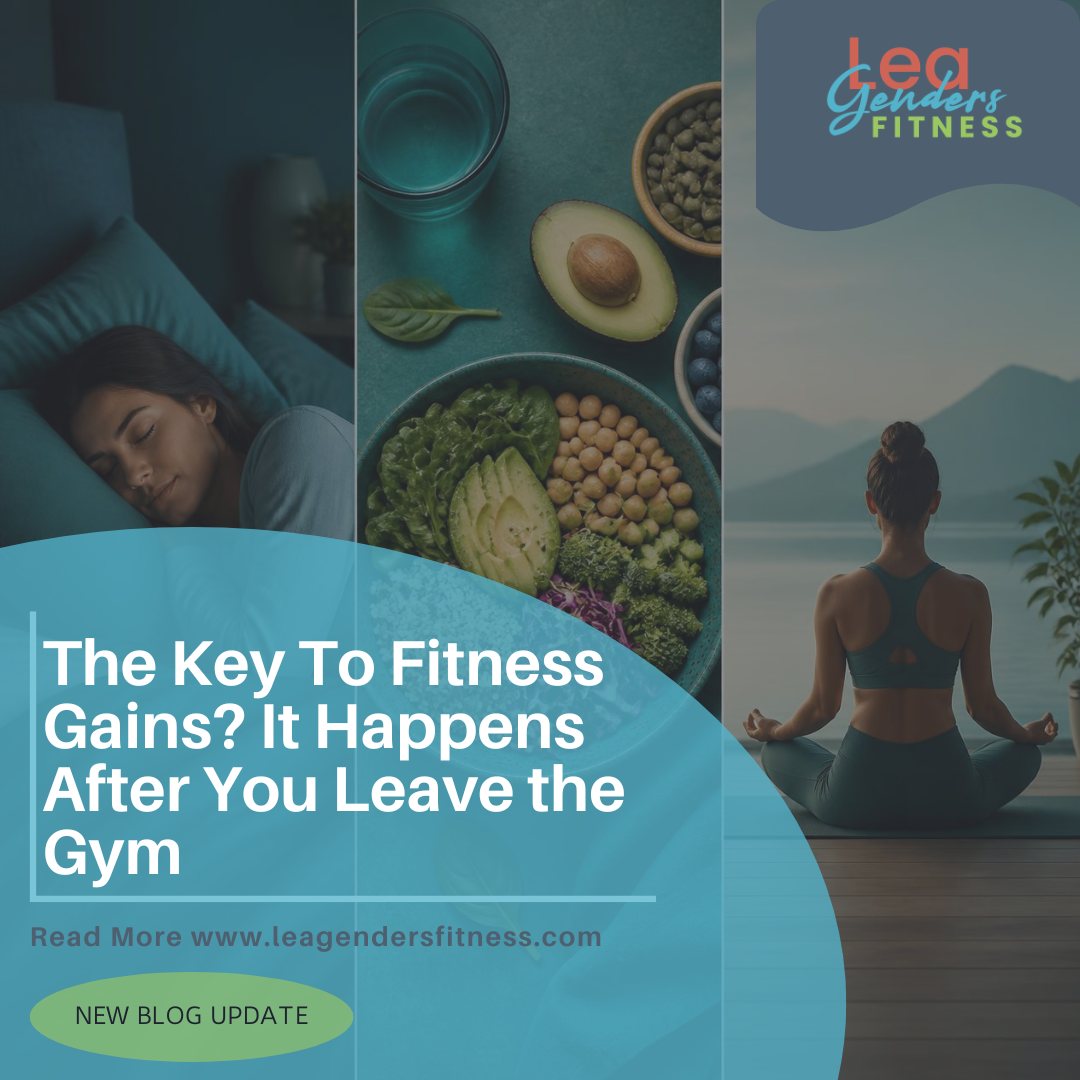
As a personal trainer and board-certified health coach, recovery is one of the most important concepts I teach. So many people assume the gym is where all the magic happens. While working hard is definitely a piece of the puzzle, you do not see those fitness gains during your session. We do not get fitter, faster, or stronger during the workout. It happens afterward, when our body recovers from the stress we put it through.
If you ignore recovery, your progress stalls, your results flatline, and you increase your risk of burnout or injury. Putting recovery on your calendar is just as important as scheduling your workouts. But that opens up a lot of questions about what recovery looks like.
Fancy Tech vs. The Basics: What Does Recovery Mean?
Is recovery a stack of supplements? Hot and cold contrast plunges? Vibration plates? Compression boots? Sauna? This is what they try to sell us, but before you make any investments, let’s make sure we have the basics covered first.
Despite what you might hear on popular podcasts, the absolute best recovery tool does not require a subscription, expensive gadgets, or complicated protocols. It is completely free, and you are already doing it every night.
SLEEP IS THE RECOVERY ROCK STAR
You have probably heard the general rule that adults need around seven hours of sleep per night. If you push your body hard in the gym, run a lot of miles, deal with high daily stress, or are managing an injury or strain, you will likely benefit from eight or nine hours. Most tissue repair, growth hormone release, and physical restoration happen while you sleep. Too few hours or poor quality sleep can stall your progress and increase your injury risk.
We cannot control every single factor that impacts our sleep, but we usually do have some say over when we go to bed and how we wind down. Is there any room for improvement for you? Even small changes can have a big impact.
A Quick Note on Sleep Trackers
Fitness wearables do a great job estimating total sleep time, but they are still not super accurate at tracking specific sleep stages like deep or REM sleep. I can attest to this because I have two separate trackers (Oura and Garmin) and the stages are wildly different every night. Stressing over the stages on your app can backfire and create sleep anxiety (which can add to your stressors).
Instead, focus on giving yourself a healthy "sleep opportunity window" by staying in bed long enough to get 7 to 9 hours. Then, work on simple habits like keeping your bedroom cool and dark, limiting heavy late-night meals, or putting screens away before bed. If there is room for improvement in your sleep habits, I suggest choosing just one small thing to work on first. What does that look like for you?
Giving Your Body a Break: Rest Days
Taking at least one full day off from intense exercise each week gives your muscles, joints, and nervous system a chance to rest. How many rest days you need depends on your situation. If you are brand new to exercise, you will likely need a bit more downtime between sessions. Your age matters too, since recovery may take a little longer as we get older. Life stress can also have an impact. High stress from work or personal issues can inhibit your ability to recover, meaning you may need more rest days than you would during lower-stress times.
Rest days don’t necessarily mean a day on the couch. Low-intensity activities like leisurely walking, restorative Yoga, stretching, or foam rolling can all be great ways to move your body while allowing recovery.
How to Tell If You Are Truly Recovered
But how do I know? Your body is great at sending signals when it needs extra rest if you learn to tune in. You might notice indicators of poor recovery, like persistent fatigue, lingering aches and pains, or a drop in mental focus. Feedback from your fitness tracker like a steadily rising resting heart rate or a continuous drop in Heart Rate Variability (HRV) can be clear signs that you need more recovery. Paying attention to these internal and external cues helps you make real-time adjustments.
Fueling the Rebuilding Process
Before you invest in a vibration plate, take a close look at your meal plates, because nutrition plays a huge role in recovery. Ask yourself if your body is getting the whole food nutrients it needs, like protein to repair muscle, healthy carbohydrates to refuel, fats for hormone health, and all the vitamins and minerals from fruits and vegetables. Staying fully hydrated throughout the day is just as important. Muscles and joints love water, and when they are dehydrated, you can feel stiff and achy.
When your body has to spend extra energy processing alcohol or unhealthy foods, it causes additional stress and demand on your system. On the flip side, healthy nutrition gives your body the building blocks it needs to repair, rebuild, and recover. What can you add or take away this week to improve recovery with nutrition?
Managing the Hidden Stressors
High stress in your life, whether from work or home, can inhibit your ability to recover from exercise. The difference between good stress and bad stress is your ability to recover from it. Exercise is an intentional stress that has a positive outcome, but if your life stress is already high, adding intense workouts without adequate rest and recovery can lead to injury or burnout.
Building non-exercise stress management strategies is just as important as your training plan. Focus on building healthy coping mechanisms, making time for strong relationships, and creating intentional downtime to let your system relax.
Master the Fundamentals First
The first thing to look at before investing in expensive or complicated recovery protocols is whether your lifestyle is aligned with your recovery needs. Focus first on sleep, stress management, and nutrition. When your daily habits support the hard work you put in, your body gets the opportunity to adapt and grow stronger. Learning to trust your body’s internal signals and building the skill of recovery will benefit your health and fitness in every way!
Lea
There is no greater compliment than a referral!
Have I helped you? Leave a Google Review here
Lea Genders is a board-certified health coach, personal trainer, and workplace wellness consultant based in Fort Worth, TX. She offers corporate wellness programs for employee health and productivity, as well as in-person and virtual training / coaching for individuals worldwide. Her blog shares expert guidance on strength training, running, and sustainable nutrition @fortworth_trainer
Interested in coaching? Apply here.




Getting fit used to be about the reflection in the mirror, but as we age, it’s essential for daily function and freedom. As a trainer on my 52nd birthday, my blog this week reflects on mindset, building strength after fifty, and why it is never too late to start where you are.