
I could write a new blog post every week just to answer the questions people post on social media. The latest one I saw said, “Is this new protein push just the 2026 version of low-fat or low-carb diets of the past?”
Great question! If you’ve been alive long enough, you’ve seen the diet trends come and go. In the 90s, I remember eating a low-fat diet. I ate low-fat chips and low-fat cheese at Subway because I thought it was healthier. I bought low-fat Snackwells cookies when I was on a diet (and somehow didn't see the error in logic in eating a whole box). I worked at Dairy Queen in high school (late 80s, early 90s), and we had giant letters on the side of the building that said: "99% fat-free." I think even back then I knew that didn’t mean ice cream from Dairy Queen was healthy, but I think it helped sell more ice cream.
I watched a Seinfeld rerun episode recently, the one where they start eating non-fat frozen yogurt. Then they start to notice their pants are getting tighter. They are genuinely confused. The yogurt says non-fat, so how could they be gaining weight? They even go so far as to send it to a lab, convinced the yogurt shop is mislabeling or lying about the non-fat label. At no point do they consider that non-fat doesn’t mean no calories, that it might be packed with sugar, other unhealthy ingredients, or that they are overeating it. Watching it in 2026, I can’t tell if the joke was that the characters were oblivious, or if the writers didn’t quite understand either. It was the 90s, after all.
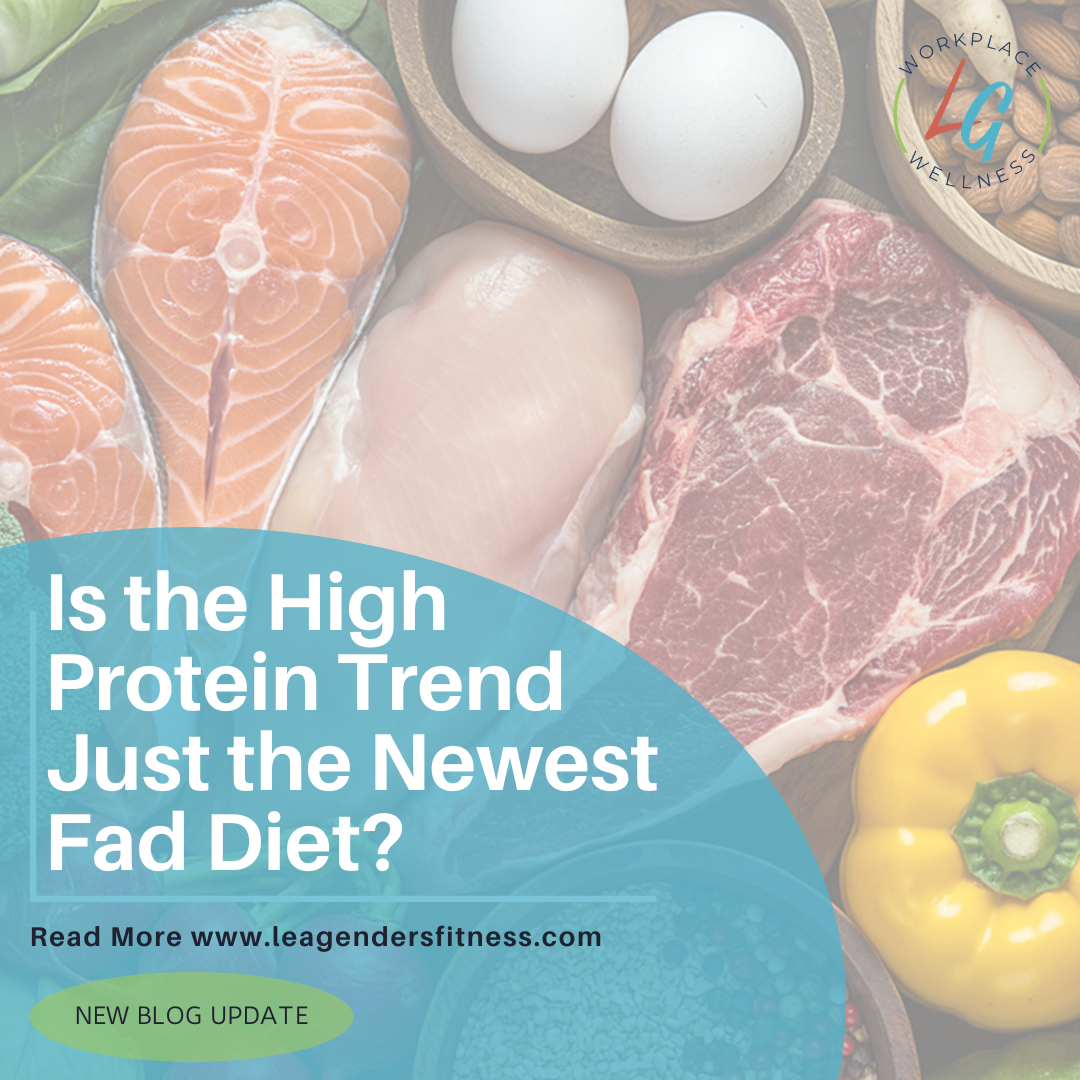
The Evolution of Diet Trends: From Low-Fat to Low-Carb
In the 90s fat was the nutrition public enemy #1. But we eventually moved on. The truth about fat is that we need healthy fats to absorb fat-soluble vitamins (A, D, E, and K), to support our hormones and blood sugar, and to help keep us feel full between meals. Fat in cookies and potato chips has never been good for our health, but removing the fat from those items didn’t magically transform them into health foods. And often when they removed fat, they replaced it with sugar so it still tasted good.
And we all know what happened next, because we are still seeing it to this day. In the early 2000s, carbohydrates became the new nutritional culprit. While low-carb diets have been around for decades, the Atkins diet became widely popular. This one stuck around for a long time and helped lead into the popularity of the Keto diet (ultra-low carb) and the Carnivore Diet (essentially zero carbs). Diet-conscious people started to fear any carbs. Not just the carbs in cookies and potato chips (which we could all probably stand to reduce), but also in fruits and vegetables. No potatoes, no rice, no bananas. The message was very clear (and very wrong) “ALL carbs are B.A.D.”
Then the same thing started to happen that we saw with low-fat in the 90s. Suddenly, food marketing latched on. Instead of low-fat cookies, we got low-carb cookies, Keto tortillas, and even low-carb beer. Instead of reducing the unhealthy carbs in our diets to improve their quality, we just ate highly processed low-carb foods. Once again, almost in the exact same way as the low-fat trend, we didn’t improve our diets or our health; we bought into more marketing.
Thankfully, I am seeing the tide start to turn on this one a bit. It could be my curated algorithm, but I am seeing less on low-carb and more people teaching the importance of getting enough fiber. To get fiber, you need carbs! I’ll just end this thought by saying that healthy whole food, or minimally processed carbs, can help you lose weight, perform better, build muscle, and enjoy food. Hopefully, I’m preaching to the choir here!
The Rise of the High-Protein Diet
So now we are in the 2020s, and since we spent the last 30 years obsessing over fats and carbs, the only macronutrient left to play around with is protein. But we are going to go the other way with it this time. Instead of cutting it out, we are piling it on. So people are starting to ask:
“Is high protein just this era’s version of low fat in the 90s?”
Yes and no. Just like its food marketing predecessors, it’s taking a truth (some fats and some carbs can be unhealthy and lead to fat gain when over consumed) and using marketing to mislead the general public and sell more food.
Let's start by talking about why we do need protein, and why the get more protein message is largely healthy and valid. Then we will show where it has gone undeniably wrong.
Why Protein Matters: Benefits and Daily Requirements
Protein is made from building blocks called amino acids. Nine of them can’t be made by the body, so they must come from food; these are called the essential amino acids. We need protein for strong bones, muscles, hair, nails, healthy skin, tissue repair, and a strong immune system. Protein helps with satiety, keeping you full longer than carbs alone, and it also plays a big role in managing blood sugar.
The current dietary guidelines recommend 1.2 to 1.6 grams of protein per kilogram of body weight daily (that’s .54-.73 per pound) for adults, an improvement over older, lower recommendations. But we have to keep in mind that standard baseline recommendations are the minimum to avoid deficiency, not necessarily the ideal amount for optimal health and muscle growth. If you are completely sedentary, then 1.2 to 1.6 grams per kilogram will likely suffice. However, if you are reading this blog, it’s likely because you have some athletic interests, in which case your needs may be higher. Our protein needs can increase as we get older, if we are recovering from an injury, or if we have specific muscle-building or fat loss goals. If you are trying to lose weight, preserving muscle during the fat-loss process is essential, which requires strength training and adequate protein intake.
How to Calculate and Track Your Protein Intake
My personal experience when I first started tracking protein was that I assumed I was probably getting enough because I ate healthy. I ate eggs for breakfast each morning, and had a protein-centric lunch and dinner. Then I started tracking. I was only getting about 65 grams per day. As a midlife athlete, this was severely lacking.
Tracking can be a helpful tool, even if you just track the protein grams. For a low-tech approach, you can simply look on the package, note the serving size and protein grams, and write down how many you are getting at each meal to add up at the end of the day. Or, you can download your favorite tracking app. (I like a free one called “Macros First” and if you are my client you get access to a free nutrition macro tracker in my app.)
If you are a grown-up woman, at least 100 grams a day is a good baseline. If you track and find you are getting half that, start to increase slowly over time. Try adding protein to one meal a week before adding more to a second meal and over time, a third. We don't want to shock the system with too much increase too soon. Start with breakfast. How many grams of protein are you getting? If you eat three meals a day, a baseline goal is 34 grams per meal.
Once you figure out how much you are currently getting you can slowly start to increase (if needed) and listen to your body to determine how much is enough for you. Just keep in mind that if you’re adding more protein, you’ll probably need to dial back the calories from fats or carbs so you don't end up accidentally overeating past your baseline.
The Problem with Ultra-Processed Protein Foods
So where have we gone wrong with the 90s-style marketing? It seems that, with the rise in popularity of GLP-1 medications, people’s awareness of the need for protein (when eating less and losing fat) has grown. But it’s turned into Snackwells fat-free cookies all over again. Now we have protein Doritos, protein Pop-Tarts, and protein cereals. Of course, protein bars, which are little more than glorified candy bars, have been around for a long time, but now protein is in everything.
Are protein Pop-Tarts healthier than non-protein Pop-Tarts? There’s really no question that highly processed foods are not inherently healthy. The nuance here is that if you weren’t willing to give up your Pop-Tarts for a healthy breakfast, would a protein version be slightly better for you than a non-protein version? Probably. Sometimes baby steps are even good. But we don’t need a market explosion of highly processed protein foods. Most people aren’t using these products as a stepping stone to healthier choices.
The bottom line is it has gotten way out of control. Protein labels are slapped on all kinds of ultra-processed foods. Make sure you check the nutritional label, not just the front-of-package marketing, because those protein pancakes might have only five grams of protein per serving. That isn't even high protein, but calling them high-carb pancakes isn't going to sell them.
How to Get Enough Protein from Whole Foods
There is a point in public awareness where genuinely helpful advice, like eating more protein, gets lost in a sea of unhelpful marketing designed to sell more food, not to make anyone healthier.
Nutritional buzzwords muddy the fact that we need adequate protein to be healthy and build strong muscles and bones. You can get the proper amount of all your macronutrients by eating normal, real food. Poultry, meat, fish, dairy, eggs, egg whites, beans, tofu, and tempeh are some great examples. If you struggle to get enough protein from real food, you can always supplement with a quality protein drink or powder.
The question isn’t "Does it have protein?" but rather, "Does this make me look, feel, and perform my best?" Whole foods or minimally processed foods will always best fill that need.
Questions? I’d love to help!
Lea
There is no greater compliment than a referral!

Lea Genders is a board-certified health coach, personal trainer, and workplace wellness consultant based in Fort Worth, TX. She offers corporate wellness programs for employee health and productivity, as well as in-person and virtual training / coaching for individuals worldwide. Her blog shares expert guidance on strength training, running, and sustainable nutrition @fortworth_trainer
Interested in coaching? Apply here.





Getting fit used to be about the reflection in the mirror, but as we age, it’s essential for daily function and freedom. As a trainer on my 52nd birthday, my blog this week reflects on mindset, building strength after fifty, and why it is never too late to start where you are.