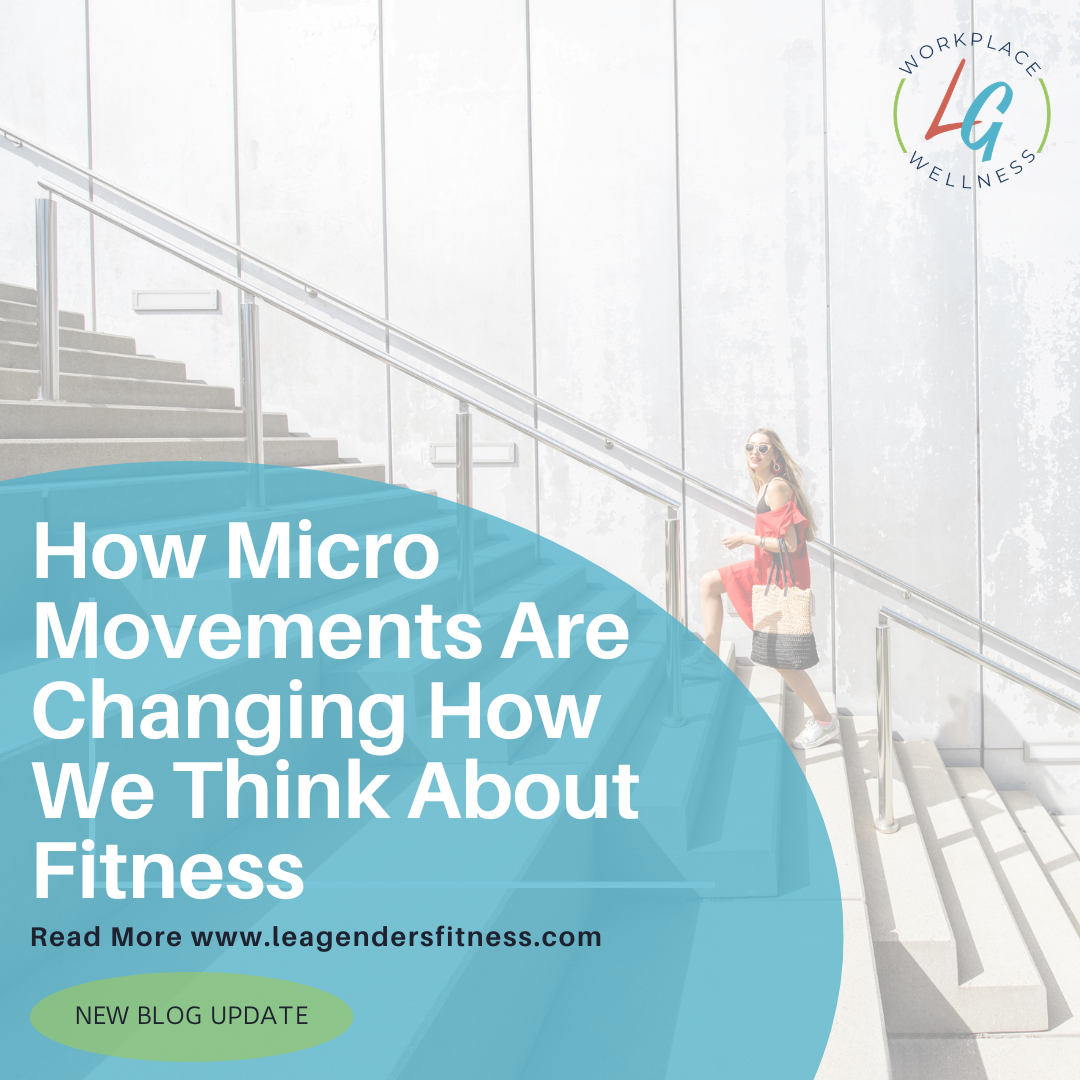
I love introducing my clients (and readers!) to the concept of micro movements (or movement snacking). So many people (myself included) can get stuck in all-or-nothing thinking. “If I don’t have time for a full workout, then I guess I can’t get in any movement today.” But that is the farthest from the truth. Any movement is good for your body and mind, even if it is not a traditional exercise program or a formal workout. This is where micro movements come into play.
What is a micro movement? It’s any small, intentional movement between one and ten minutes that you do to benefit your health or fitness. It could be getting up for a five-minute stroll around the office, doing stretches at your desk between meetings, doing chair squats, wall push-ups, or taking the stairs (especially when all your co-workers are waiting for the elevator). Anything you do intentionally counts.
What’s The Point?
The most skeptical of the bunch usually asks, "What’s one minute going to do?" Obviously, you're not going to get in the best shape of your life with a three-minute micro move, so why even bother, what’s the point?
Turns out there are many benefits, especially for those of us who spend a lot of our workday sitting. Keith Diaz of Columbia University set out to find the minimum effective dose of movement needed to offset the harms of sitting. The answer was simple (I didn't say easy): Five minutes of low-intensity walking every thirty minutes.
The results included reduced fatigue, better blood sugar control, improved blood pressure, sharper focus, and a better mood. Most importantly, these micro-breaks did not hurt job performance. They actually improved both the quality and quantity of work.
Another study out of Stanford, titled "Give Your Ideas Some Legs: The Positive Effect of Walking on Creative Thinking," found that walking increased creative thinking, and the effect continued even after participants sat back down to work. A short walk changes more than just physical activity levels; it increases problem-solving and sparks creativity.
That’s the point. You feel better. You think more clearly. You improve health markers. You start to reverse the detriments of sitting all day.
Who Are Micro Moves For?
Incorporating micro movements into your day is very effective for people who aren’t following a formal exercise program and want to start taking steps (pun intended) to improve their health. Micro movements can be confidence builders, helping people start to see themselves as the kind of person who moves regularly for their health. As we know from behavior change science, our identities shape our habits, how we see ourselves has a big impact on what we do. When you habitually move your body, even in small ways, you start to build that new persona of a health-minded person. Then, as confidence builds down the line, a transition to a more formal workout program isn’t such a big jump.
But to my gym-goers, marathon runners, and CrossFit enthusiasts: if you think this is all beneath you and your advanced fitness level, not so fast.
Once, I was giving a presentation at a company health fair about micro moves, and a younger man came up to the table to tell me he didn’t need this because he was very consistent about going to the gym every morning before work. I sincerely congratulated him on his dedication and commitment to his health, then asked how many hours a day he spent sitting at work.
Multiple studies tracking office workers have shown that they typically spend between 70% and 85% of their working hours sitting. For a normal 8-hour workday, that’s 5.5 to nearly 7 hours spent in a chair. I’m sorry to report that while your morning gym session is great for your health and fitness, it does not negate the need to break up long periods of sitting throughout the day.
Micro movements are good for everyone.
What Motivates You To Move?
But knowing they are good for you and actually doing them are two different things. To help my workplace wellness clients bridge that gap, I’ve been working on a behind-the-scenes web-based wellness app to help people track these micro habits. (Check it out, it’s free). One of my testers (a total gym devotee) shared some feedback that perfectly highlights how some people’s brains work when it comes to tracking. She said...
“The real strength of this app is in the tracking of the micro movements. For us trackaholics, those things don’t ever ‘count’ in fitness apps. I love how they count here. I could see myself saying, 'I want to shoot for 10 micro movements in my day,' and feeling a sense of accomplishment as each one gets recorded. The accomplishment in my brain isn't in the doing, but in the recording.”
This speaks to how different people feel motivated to act. Sometimes giving ourselves a goal to get a certain number of micro movements in a day can be helpful. You can also try "habit-stacking" your micro moves, like doing two minutes of desk stretches every time you get off the phone or end a meeting, or eat something. Or, set rules for yourself: "If I haven’t done three micro moves by lunch, I’ll take a longer walk during my break." Maybe set an hourly alarm, or make it a game, or invite your co-workers to join you. There’s not one correct way to do it, just whatever way works for you.
It can be a helpful practice to reflect on why it matters to you to move more throughout the day and to create a plan to make it happen. The beauty of micro moves is that they eliminate the "I don't have time" excuse. By building these tiny habits into your existing schedule, you’re refreshing your daily routine without turning into a gym rat or disrupting your normal life.
Take ACTION:
I’m so grateful you are reading my blog right now. But real change happens with action, how can you take what you are reading and apply it to your life? Start by doing one thing on a new path.
Think about (or better yet, write down) why micro movements might be important in your life. What would be improved in your life if you committed to more movement? Why does that matter to you? How does movement connect to your values? For example, if you value family, feeling your best allows you to show up for others, living pain free lets you play freely with kids or grand kids, or being healthy sets a example for those you love to adopt positive habits too.
Make a flexible plan for starting. Start something small today, no need to wait until tomorrow or Monday. When will you do it? Can you pair it with something you are already doing? What feels easy? Start there.
Think about what obstacles might come up. If you know in advance about disruptions to your routine, how will you adjust? How will you deal with unplanned disruptions?
Celebrate every small win along the way. Self-compassion and joy get you a lot further with behavior change than beating yourself up (especially if that is what you have always done).
So, what’s your first move going to be? Pick something simple today, and let those small wins start stacking up. Need some more ideas? I wrote another post with specific exercises here! I’d love to hear about what you are planning!
Lea
If you work in an office and want to boost your team's energy, focus, and productivity, I can help. I offer workplace presentations that show teams exactly how to build these micro movements into a busy schedule. Reach out to discuss booking a session for your company.
There is no greater compliment than a referral!
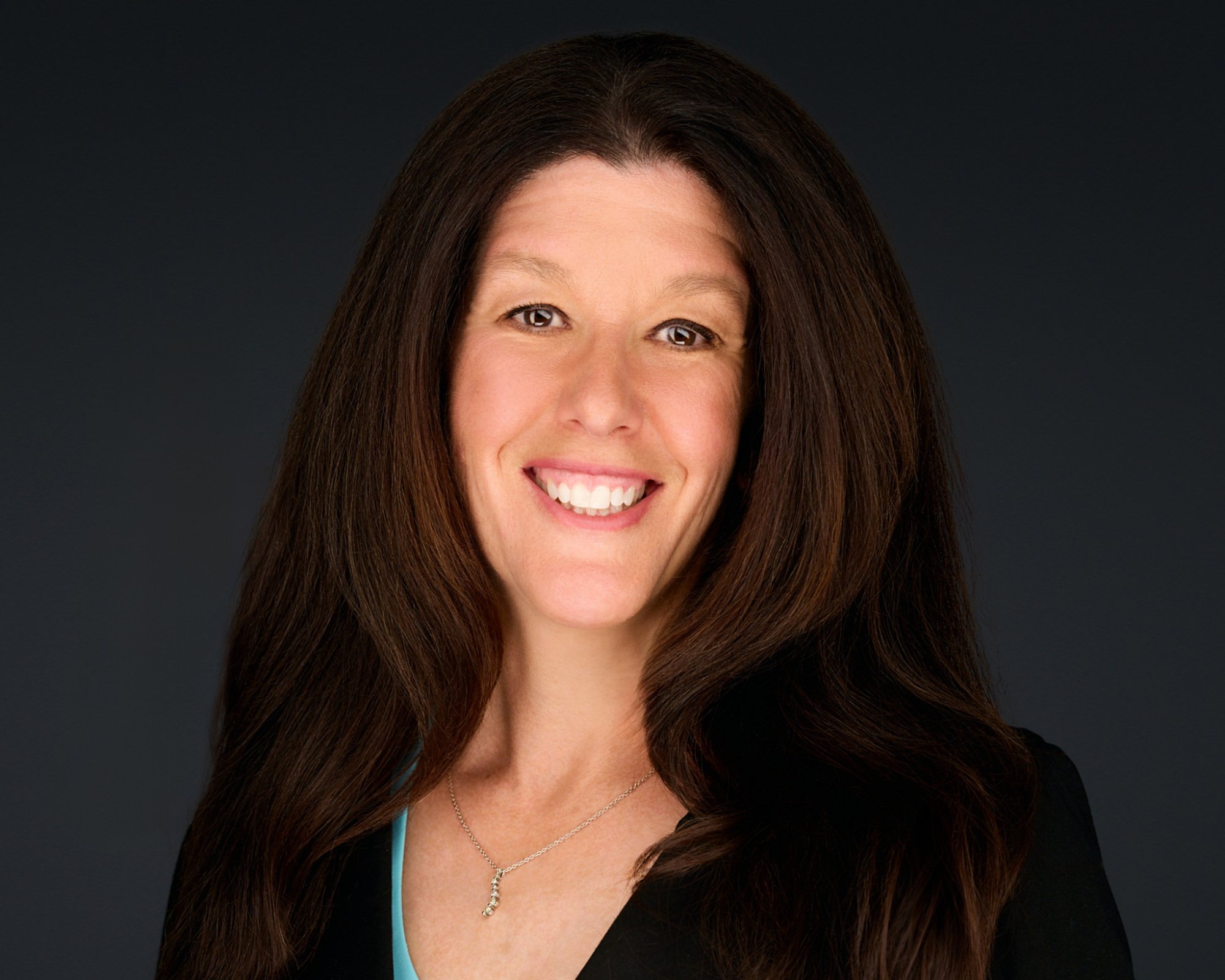
Lea Genders is a board-certified health coach, personal trainer, and workplace wellness consultant based in Fort Worth, TX. She offers corporate wellness programs for employee health and productivity, as well as in-person and virtual training / coaching for individuals worldwide. Her blog shares expert guidance on strength training, running, and sustainable nutrition @fortworth_trainer
Interested in coaching? Apply here.
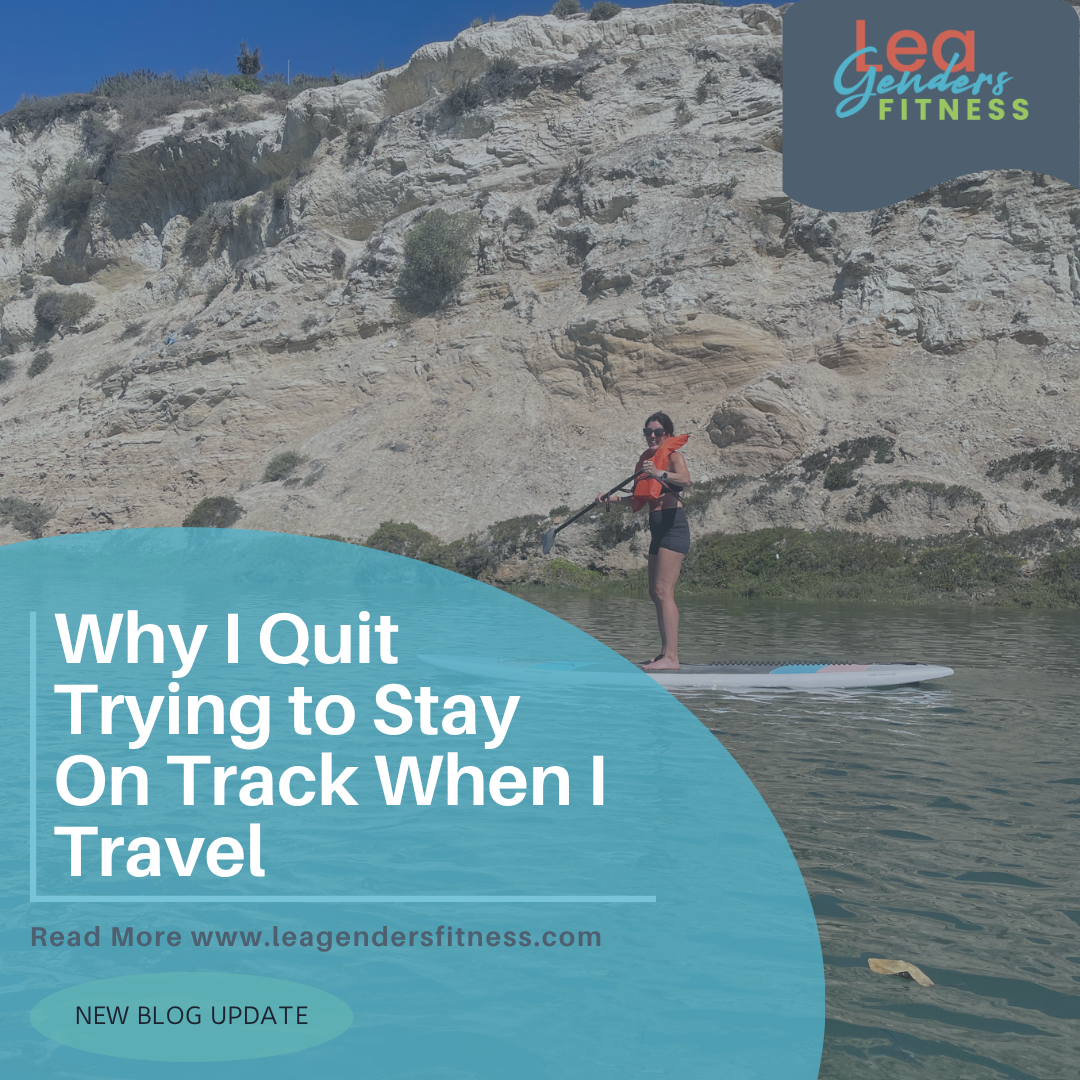




A look back at my 19-week training journey, my race day strategy, and how my vacation Tiki Beach 10K in Huntington Beach played out!