If you’ve clicked on articles about how to get 6-pack abs or how to lose 15 lbs in two months, but never took any action towards those goals, it might be time to reevaluate your relationship with movement and exercise. That lack of action is likely just a mismatch between what you’re told you should care about and what is actually important to you. Hustle culture is everywhere, and you’ve probably heard messages like these about exercise and moving your body:
No pain, no gain.
Pain is just weakness leaving the body.
Unless you puke, faint, or die, keep going.
Sore today, strong tomorrow.
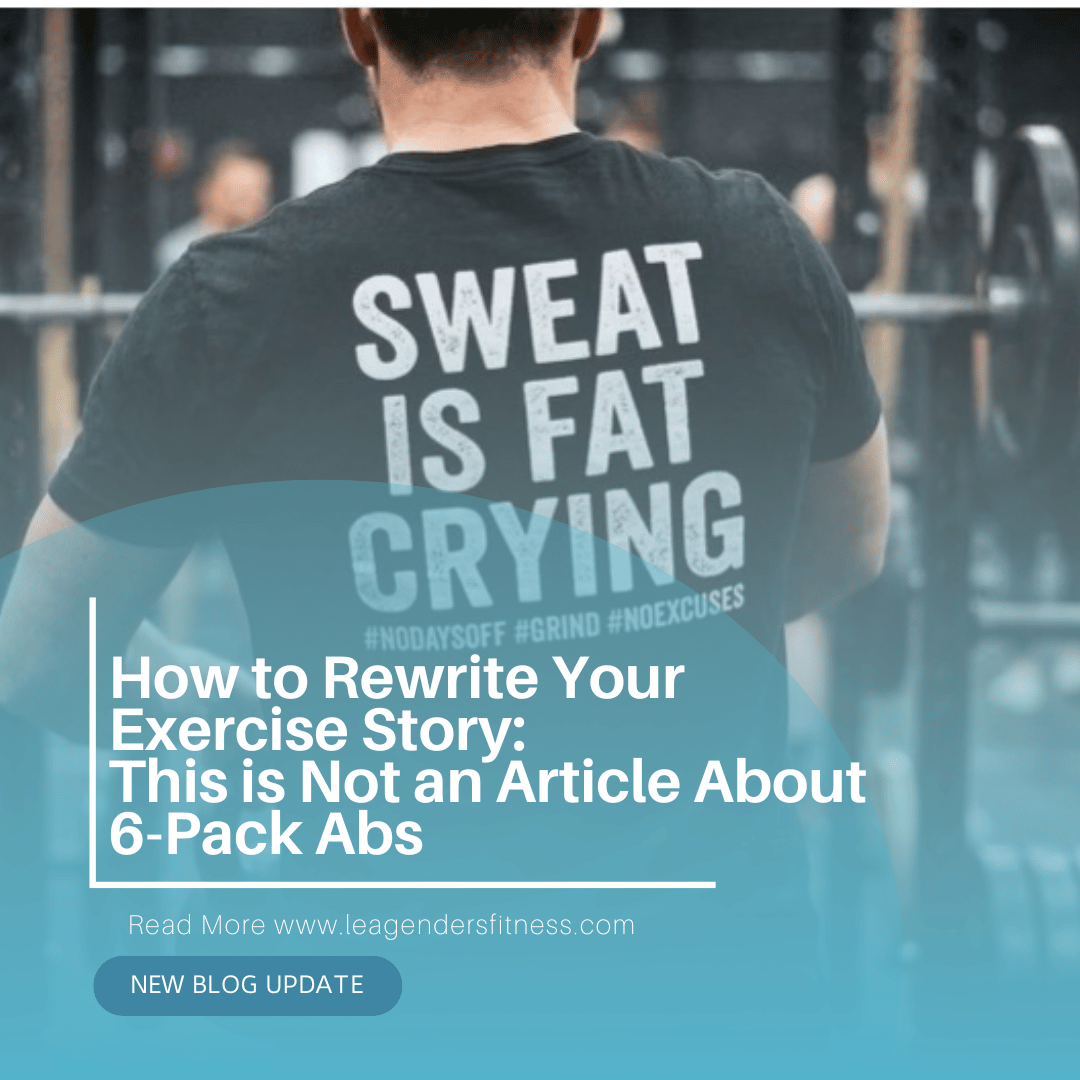
Sweat is fat crying.
Don't stop when you're tired, stop when you're done.
No days off.
Go big or go home. (I think I’ll go home, thanks.)
That doesn’t sound fun.
The Problem with Hustle Culture in Fitness
There are t-shirts with these types of sayings printed on the back, social media fit-spiration posts, hashtags, instructor shout-outs, and maybe even a wall decal at your gym. It’s everywhere, and it’s completely the wrong message.
If these are the tag lines in popular media, no wonder people are gun-shy about starting a new program. I like to exercise, and these messages make even me want to run for the (bed) covers.
This is why people make these broad decisions about exercise and their identity. They decide they are just not the kind of person who does that, and it makes total sense. Who likes pain? When people get on social media, especially trainers who should know better, bragging about how much pain they can endure for the sake of fitness, or yelling this out in a group fitness class for inspiration, it just makes everyone else run (no pun intended) further away from fitness.
I have a friend who asked his wife if she wanted to go to the gym with him. She got mad and said, "Why? Do you think I’m fat?" The idea that the only reason you might go to the gym is to lose weight is so pervasive that she didn’t even consider all the other reasons people might go, like for health, to get stronger, longevity, to spend time with people, and for (gasp) fun.
But what if, hear me out, you exercise and move your body to feel good? What if you leave these outdated messages behind and find ways to move that help you manage stress, give you energy, improve your focus, manage pain, and make you a more resilient human? Wait. What? Is that a thing? How come no one prints that on the back of a t-shirt?
Managing Stress with Movement and Your Natural Rhythms
Let’s rethink our relationship with exercise. The old view is that exercise is another demand that further drains your limited time and resources. You are carrying around the cumulative total of all your physical, mental, emotional and environmental stress. When you don’t have anything left to give, the traditional idea of exercise feels like just another thing to do. But what if you could think about exercise as a tool to better manage your busy life?
In the modern office environment, most people are stuck in a state of constant processing. Their brains never rest from information overload and decision fatigue. Without mental recovery, this continues to build until it leads to burnout. Gentle movement can be a physical break that your brain needs.
Most people have heard of our circadian rhythm, which is our biological sleep-wake cycle driven primarily by light and temperature, but have you heard of the ultradian rhythm? It governs our natural fluctuations in energy and focus. Essentially, every 90 minutes or so, our capacity for focus or deep work peaks then drops. Trying to power through those energy dips can build frustration and tension. You can lean into these natural rhythms for stress relief and productivity rather than fighting them by building intentional breaks into your workflow. This results in better focus and productivity, so you can maintain high performance throughout the day.
This is where movement comes in. What if, instead of thinking of movement as sweat is fat crying, you work with your body’s natural rhythms and take a ten minute walk to rest and reset your brain? Instead of worrying about how many calories you are burning, you are stretching at your desk, doing a short strengthening exercise, or taking a quick walk.
Movement vs. Exercise: Why You Need Both
You might read that last paragraph and say to yourself, "Yeah, but that’s not exercise! I need to go to the gym or run five miles. What time does the Hyrox gym close after work?" (Even if it’s been a while since you’ve stepped inside the gym.) I want you to separate, in your mind, movement from exercise. You might think a short walk 'doesn't count' because it’s not a five-mile run. But movement and exercise are different tools for different jobs. You don't need to hit the gym every day, but for your health, you do need to move intentionally every day.
The Science of Brain-Derived Neurotrophic Factor (BDNF)
Exercise is where we can dial up the benefits. When you contract your muscles, proteins called myokines are released. Along with those, your body produces lactate during more intense efforts. These chemical messengers signal the brain to produce BDNF (brain-derived neurotrophic factor). Higher levels of BDNF in the brain are linked to memory, recall, and learning. Exercise literally makes your brain more agile and better able to process complex problems.
Become a More Resilient Human
Stress has a bad reputation, but stress in itself isn’t bad, as long as you are getting the recovery you need to prompt our bodies to grow rather than break down (cue long leisurely walks, Yoga breaks, and breathing exercises).
Eustress is the good stress. Exercise is eustress. Yes, it’s a stressor on the body, but with recovery after exercise, you come back stronger. Exercise teaches us how to handle stress and do hard things, and build our confidence so that when life throws hard things at us that we didn’t expect, we are better able to handle them.
A big deadline at work can be eustress too. You work hard, stay alert, get creative, have new ideas, deliver the project, feel fulfilled, and accomplished. Provided you actually get to take that rest before the next big thing, you’re better for having done it.
Working out makes your body and brain more resilient. With resistance training, your muscles grow, your heart gets stronger, and you build stronger bones. Muscles stabilize the joints, and the stronger you are, the more physically resilient you are to falls and injuries.
Movement for Pain Relief
You’ve maybe heard the saying “movement is medicine,” or that “motion is lotion.” Oh! Those are a couple of popular sayings about movement I can get behind. Lots of people limit their movement because of pain or their fear of pain and getting hurt. Chronic stress can manifest as physical pain and stiff joints. Mindful movement signals the nervous system that you are safe; it can reduce tissue tension, and motion can allow joints to move more freely without those protective pain signals.
I know it doesn’t feel like it, but pain is a gift. It tells us something needs to be addressed. Without pain, we would continue to do more and more damage until we aren't able to function at all. But often, pain can be reduced with mindful movement. You might notice your knees are stiff when you stand up from a sitting position, but feels better once you start walking. When you move, you are essentially lubricating the joint with synovial fluid, which is why that initial stiffness often disappears after a few steps. By not moving to avoid the pain, you are keeping the joints from getting the circulation they need to feel better. (Of course, if pain persists, discuss it with a medical professional.)
Movement is your ultimate resource for stress management, resilience, energy, focus, and productivity. When you refocus and think about movement as a resource rather than punishment, what doors does that open up for you? How can you fit movement into your day to feel better? When you think about exercise as a tool to help you become more physically and mentally resilient, does that change the way you view it?
Are we ready to leave that old hustle culture behind?
Lea
There is no greater compliment than a referral!
Have I helped you? Leave a Google Review here

Lea Genders is a board-certified health coach, personal trainer, and workplace wellness consultant based in Fort Worth, TX. She offers corporate wellness programs for employee health and productivity, as well as in-person and virtual training / coaching for individuals worldwide. Her blog shares expert guidance on strength training, running, and sustainable nutrition @fortworth_trainer
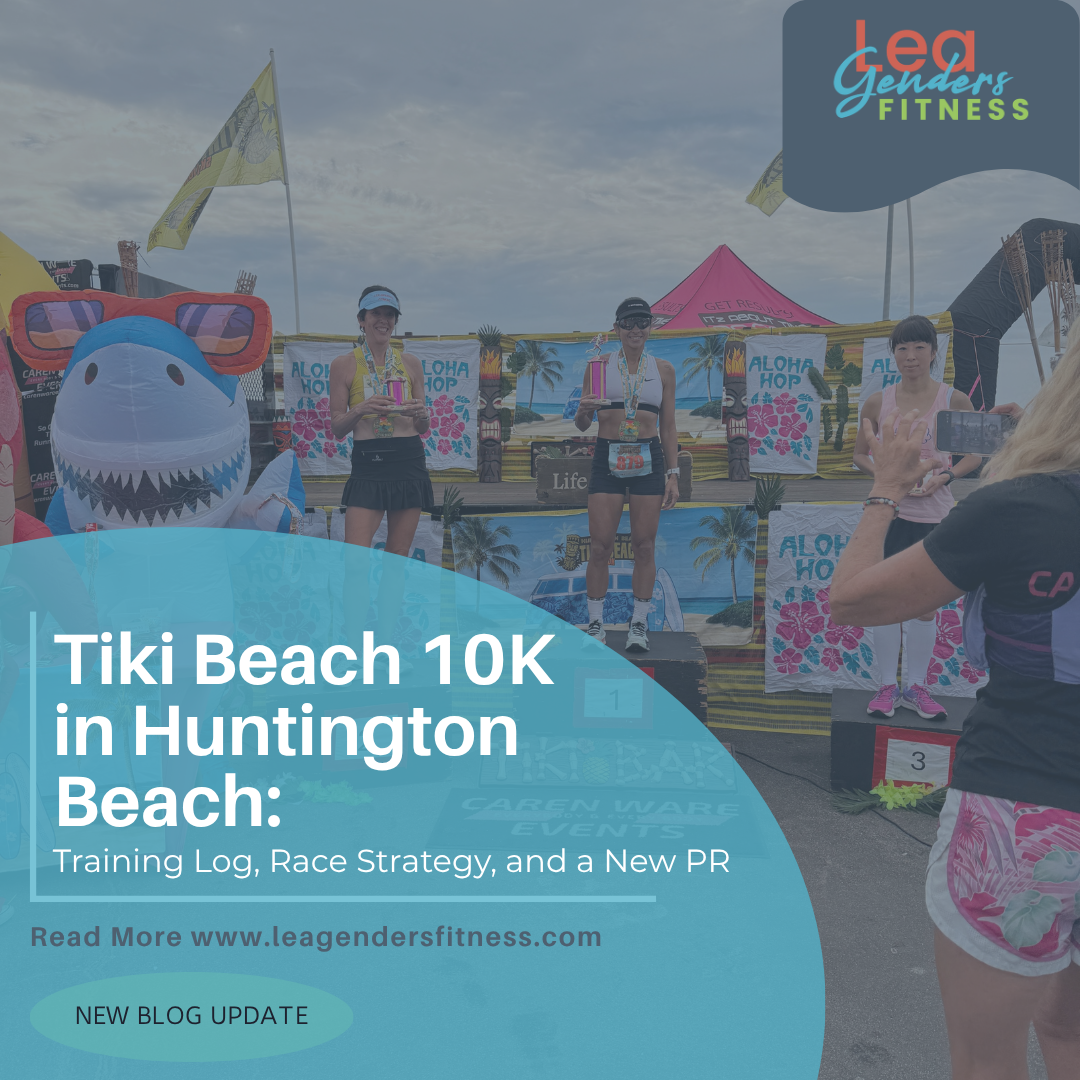

I’d been calling my runs easy effort all summer. My heart rate disagreed, and the same thing might be happening in other parts of your life. In today’s post I talk about the difference between high tolerance and easy effort, and how that applies to sleep, stress, and recovery.