A social media expert recently told me I need to be more divisive in my posts to get more reach. As a health coach, that’s hard. Partly because it’s just not my personality, but more importantly, because any good coach knows that health is full of nuance. Often, the best answer to your burning health and fitness questions is: "It depends."
I know that can feel frustrating. I often hear, "Just tell me what to do, and I’ll do it!" We think we want someone else to tell us what’s best, but because you are the expert on your own body and your own life, it’s actually impossible for an outsider to just tell you exactly what is best for you.

You are the expert on your own life
I saw a post on LinkedIn from a business coach that essentially said, ‘If you take these actions over the next 90 days, you will be unrecognizable by the end of summer.’ He listed things like strength training three times a week, getting seven to nine hours of sleep, eating unprocessed foods, cutting out alcohol, getting 120 minutes of moderate-intensity cardio exercise a week, drinking a half gallon of water a day, unplugging from social media, and reading before bed.
My first thought was, well, duh.
It is rarely a lack of knowledge holding people back. We already know what is good for us. The real challenge is executing those healthy habits in the middle of a messy, busy life.
A great coach recognizes that we have to fit health and fitness activities into the life we are already living (not move to a health ranch to revolve our lives around fitness). And what is best for one person can be a disaster for another. By asking questions and learning about your unique experiences, lifestyle, and preferences, a good coach can see you as a whole person rather than just someone who needs to follow a rigid set of rules or impossible standards.
As an example of individual variance, I once had a client who noticed that whenever she added spinach to her morning smoothie, her stomach would hurt. When she mentioned it to her doctor, he told her, with a touch of snark, "It's not the spinach." But my client knew her body: if she had the smoothie without the spinach, her stomach didn’t hurt.
That doctor wasn't respecting her individual experience or giving her permission to trust her own internal cues. So, while spinach is one of the few foods most people can agree is universally healthy, for this specific client, it just didn’t work.
YOU DON’T NEED ‘eat this / not that’ lists
This goes for any food. I often get asked, "Is this food good or bad?" But we have to ask: Good for what? Is it better than what you would have chosen otherwise? Does it make you feel good? Do you even like it? We need much more context to decide whether a food is good for your specific goals. It is certainly not as simple as an "eat this / not that" list. I’d argue that the more a coach says, "It depends," the more likely they are to truly listen and help you find what actually works for you.
Separating the optimal from the realistic and doable
On paper, and even in scientific studies, there are often optimal ways to do things. You have likely heard them, like our LinkedIn coach described: Do resistance training twice a week with progressive overload; eat 0.7-1.0 g of protein per lb of (ideal) body weight; and sleep 7-9 hours a night. And, while yes, these are all actions that can help you get closer to your goals, even scientifically sound principles can have an ‘it depends’ attached, because doing something less than optimally will always beat doing nothing.
One of the first steps to behavior change that sticks is separating optimal from realistic and doable. If a person can’t execute the perfect plan because of their schedule, stress levels, or lifestyle, telling them what they “should” be doing can often do more harm than good.
Why what you ‘can’ do is better than what you ‘should’ do
A better ‘it depends’ answer starts with what are you doing now and what is possible for you today. After all, the best plan for a person is one that they can execute on their worst day, not just when things are calm and easy. (Calm and easy? that happens to some people sometimes, right?) My favorite example is my client, who is in her late 60s and has been doing strength training with me one day a week (not the optimal two days) for several years. Sure, there have been times she did more on her own when she could, but she has remained remarkably consistent with one full-body strength training session per week. You know what? She was able to get really strong, and, best of all, she reversed her osteoporosis, verified by a DEXA scan, after a couple of years.
She has a very busy and full life and couldn’t always do it twice a week, but once a week was so consistent that it made a huge difference. What you ‘can’ do is always better than what you ‘should’ do.
Building a plan around your unique history and cues
Everyone has a different entry point. I often have to consider exercise experience, injury history, mindsets, and nutrition and dieting history, as well as personal preferences, when making any kind of plan for a client. I need to the input of the expert of the life and body. I can’t simply tell you what will work for you. I can help you brainstorm, evaluate the options and test different ideas, but ultimately, you will know best what works for your unique situation because you are one living it. You can’t outsource your internal cues.
“You Can’t Outsource Your Internal Cues.”
Personal preference is a driver of long-term health
Speaking of preferences, things touted on social media as hard rules are often nothing more than personal preferences. Morning workouts or evening workouts? Fasted cardio or fed cardio? Low fat or low carb? The real question is: What will you stick with the longest? Preference can be a primary driver of long-term health. If you are doing something you enjoy, something that actually works for you, then you are far more likely to stick with it than if you are trying to force something that makes you miserable.
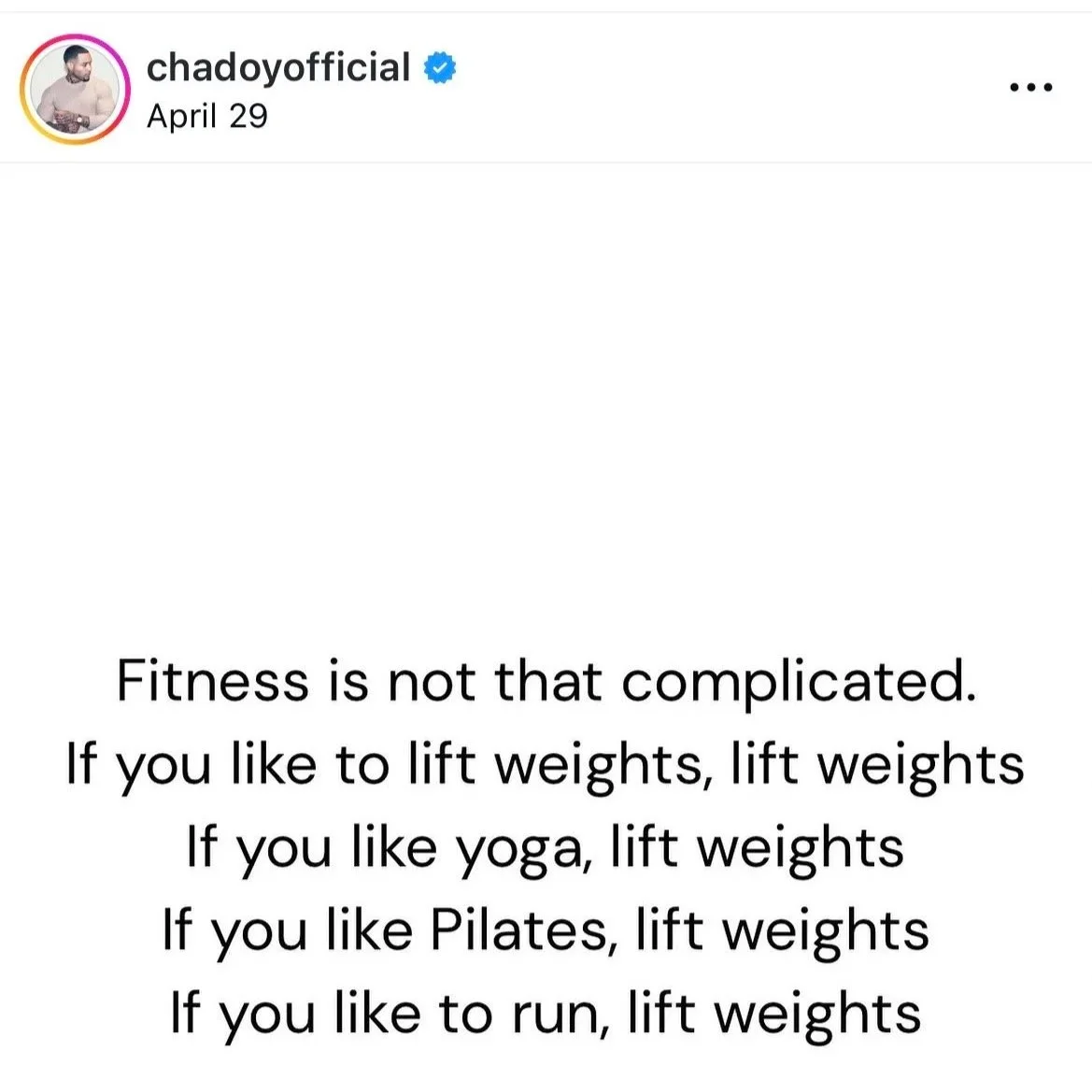
HA! HA! Kidding!
How to evaluate fitness claims for your own life
There are a few ways you can evaluate fitness claims you read or hear on the internet (including this blog!). Ask questions like, "Does this fit my life right now?" or "Is this something I can see myself doing in six months or a year?"
If it’s an idea you want to try that is proven to be health-promoting, like progressive strength training twice a week, ask yourself: what’s the smallest version of this I can reasonably do consistently right now? If a full workout is overwhelming, too time consuming, or feels impossible, what can you do in 10 minutes, or even 5 minutes? The goal is to shrink the task until you feel confident that you can do it even on your most stressful day. You have the rest of your life to build on it, your only job right now is to start and keep going.
It’s the seed you plant, the habit you start, and the consistency you build that creates a snowball of change and sets the foundation for a healthy future.
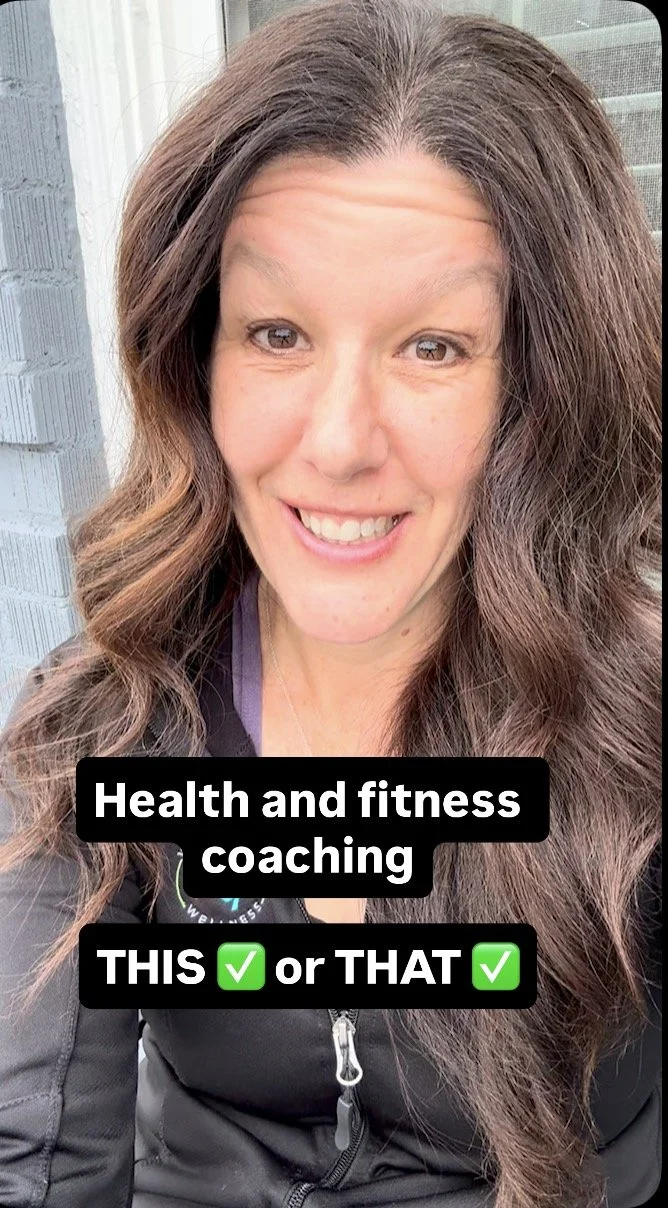
In closing, I wrote this whole blog post so I could share this video with you and to once and for all take a stance on something! Are you team over or team under? Hah. Click the arrow to play.
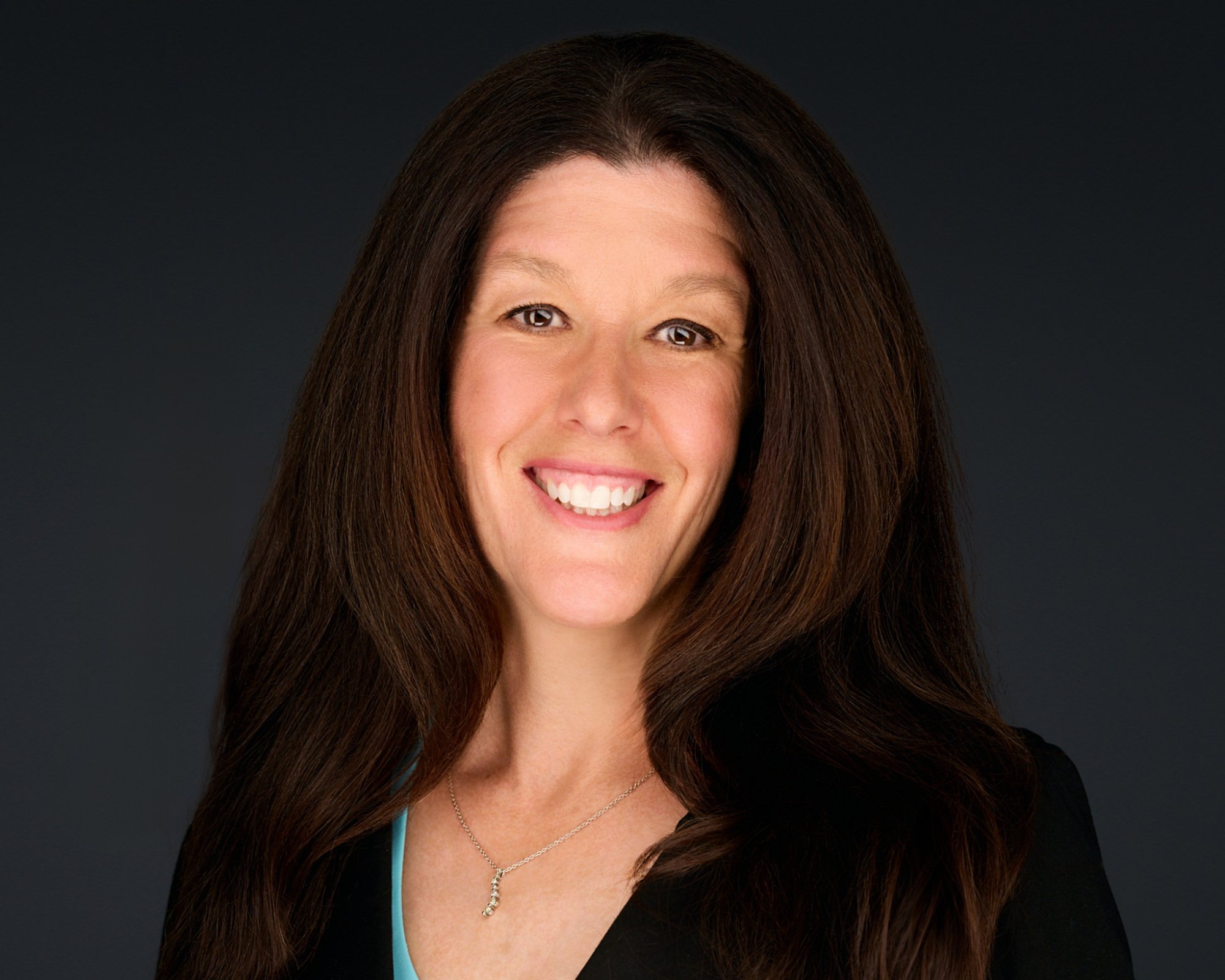
Lea Genders is a board-certified health coach, personal trainer, and workplace wellness consultant based in Fort Worth, TX. She offers corporate wellness programs for employee health and productivity, as well as in-person and virtual training / coaching for individuals worldwide. Her blog shares expert guidance on strength training, running, and sustainable nutrition @fortworth_trainer
Interested in coaching? Apply here.



A guy in my neighborhood runs only in the hottest part of the day, in the hottest months of the year. We call him Self-Inflicted-Pain-Guy. I laugh, but lately I’ve been wondering why I’m often Self-Inflicted-Pain-Girl myself. What if I’ve been mistaking discipline for structure?