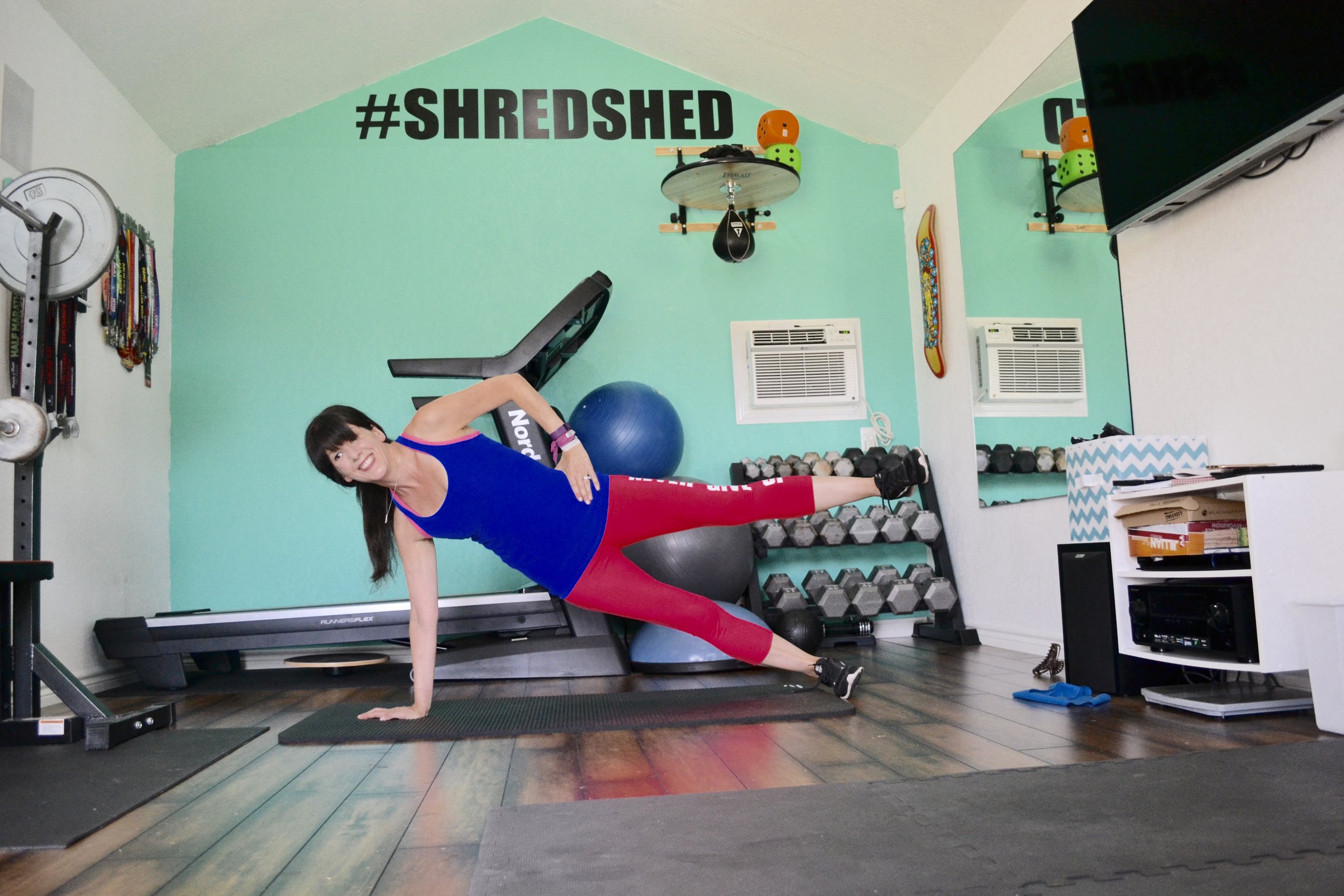
Dumbbell Compound Exercises for When You Don't Have Time to Work Out

Welcome to the latest edition of Workout Wednesday when each week I share a new strength training or running workout. These dumbbell compound exercises are great for those busy days when you don't have time to work out. 

I've been writing this blog for over two years now (time flies when you're having fun) and I realized that I have not yet shared a workout using dumbbells. Since I use dumbells in my own workouts, I thought it was about time I put together a quick and effective dumbbell workout you can do at home or in the gym.

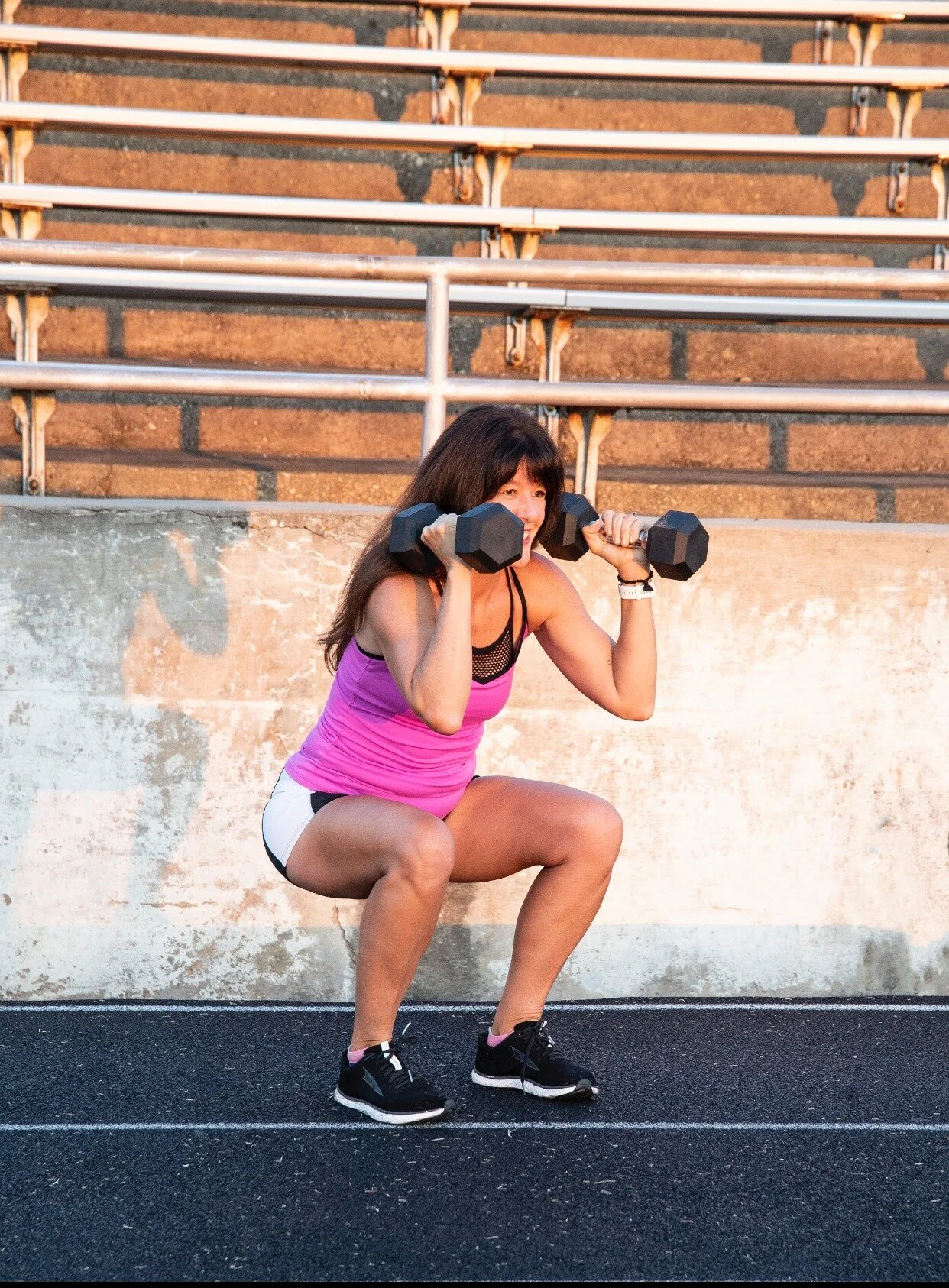
This is the perfect workout for when you don't have time to workout because it incorporates compound exercises, working multiple muscles in each move. It is faster, more efficient and burns more energy (calories) than isolation movements. When you combine movements you can quickly move through your workout and get on with your day.

Working out with weights helps us build and maintain lean muscle. This is a good thing, especially if you are trying to lose weight. You want to make sure you are losing fat and preserving your muscle mass so that when you lose weight, you don't also lose muscle.

You don't have to spend all day at the gym. Incorporate strength training workouts two to three times a week to maintain and build muscle. Runners who strength train are stronger, faster and less prone to injury. Strength training is time well-invested for runners.

DUMBBELL COMPOUND EXERCISES FOR WHEN YOU DON'T HAVE TIME TO WORKOUT

I recommend moving through each exercise for the number of reps assigned, then moving to the next exercise without rest in a circuit fashion. One you complete all four moves, rest for about a minute and repeat the whole circuit one or two more times. 

dumbbell compound exercises for when you don't have time to work out. 

dumbbell compound exercises for when you don't have time to work out. 

TRAINER TIPS

Perform each move slowly while paying attention to proper form. This is not a race against the clock. Choose a dumbbell weight that challenges you to complete the assigned number of reps. If it is very easy to complete the reps trying going up in weight. However, the weights should not be so heavy that you can't complete the assigned number of reps. It may take some experimenting to find the right weight for you. 

As you get stronger your body will adapt to the exercises which will make them feel easier (YAY) but that also means they won't be as effective (BOO!). You have to constantly challenge your body as you get stronger. After several weeks you can do this by adding additional reps; instead of 8 reps, perform 12. You can also increase the number of sets by running through the circuit four times instead of three. You can increase weights as you get stronger and/or decrease rest times. All of these things will challenge your body in a new ways so it can grow even stronger. 

Give it a try and let me know how it goes. Have any questions? I'd love to help!

Like this post? It helps me when you share with your friends and followers

Lea signature.jpg


What You Need To Know About Healthy Habits From My Dog

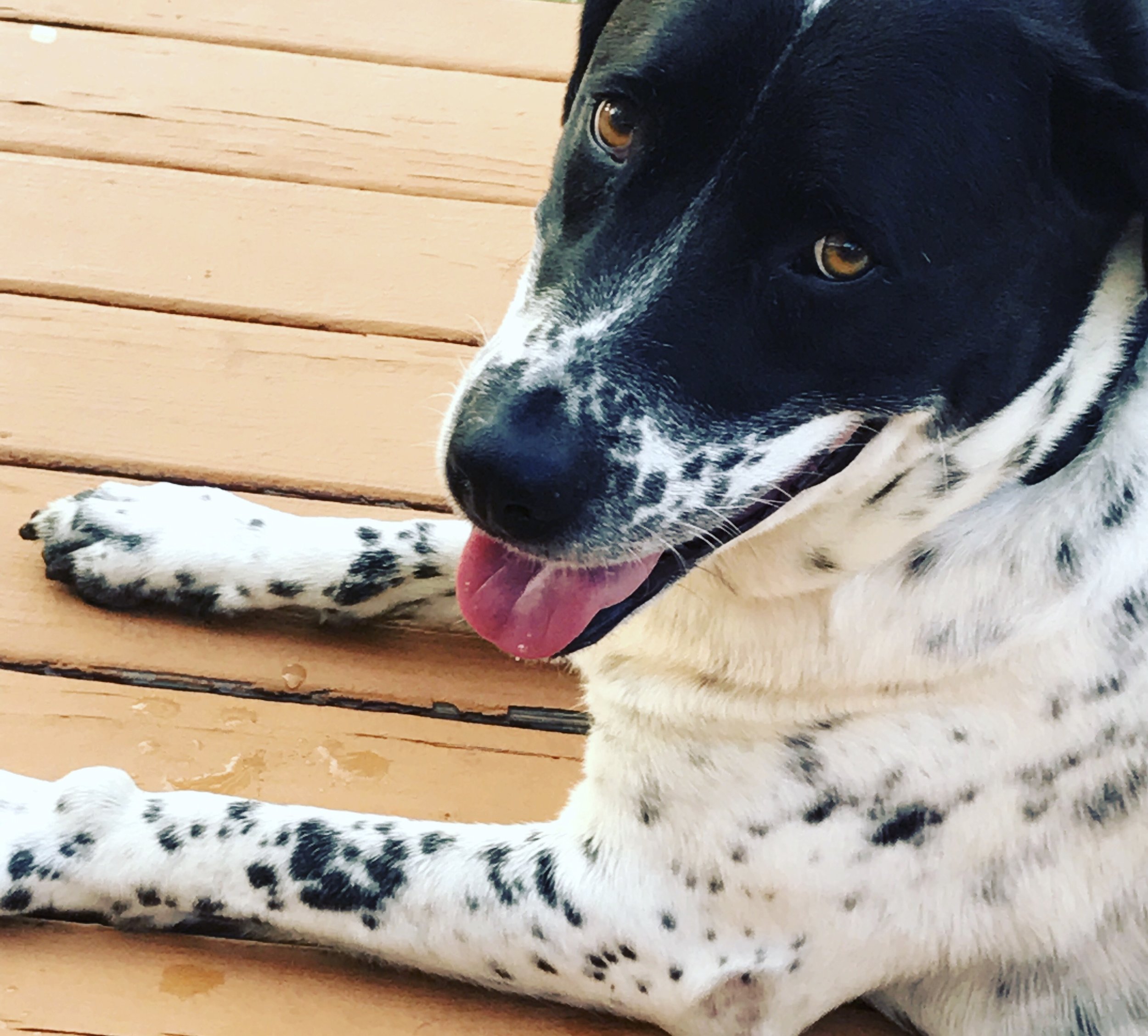
"Are you ready to W-A-L-K?" I spelled out in a hushed tone to my husband in an effort not to spark a frenzied response from my dog, Ollie. Ollie knows what 'walk' means, it's his favorite part of the day. He shook his collar, raised his ears and cautiously stood up from his regular spot on the hardwood floors under the air conditioning vent. He walks over to my running shoes as if he suddenly learned to spell. Is my dog an exceptional freak of nature who can S-P-E-L-L now? My mind immediately goes to an image of Ollie standing on a spelling bee stage spelling out words only a fourth grade academic phenom could master. 

Like any good dog mom, of course I think Ollie is the smartest, most handsome, loyal (and not-an asshole-at-all) dog I have ever met. But can he spell? Probably not. Ollie has mastered a brain hack on motivation that would serve us all well. He hears the word 'walk' and he knows what immediately follows is a lap around the neighborhood to visit all his friends behind fences, the highlight of his day. He is starting to learn that spelled-out W-A-L-K also means the same thing. 

HEALTHY HABITS FROM MY DOG.png

So what can we learn from my dog Ollie? When we make brain associations, we can develop healthy habits for life. Making good nutrition choices and exercising can be triggered automatically in our brains rather than having to rely on motivation and will-power to meet our goals. Lord knows if I had to rely on motivation to exercise, I would probably never do it.

Seriously. I'm just like you. More often than not, I don't feel like exercising. If I only did what I felt like doing I would never go to my corporate job, clean the toilet or wash my hair. Adulting is hard, y'all (there I go with my fake Texas accent again). My point is if you put exercise on auto-pilot it becomes less like a chore, like cleaning the toilet, and more like something you just do, like brushing your teeth. 

I know what you are thinking, "Brushing my teeth takes 30 seconds, Lea. Exercising takes much longer." I won't tell your dentist you are only brushing for 30 seconds (we'll keep that between us). The key is to commit to two minutes of brushing your teeth and then two minutes of exercise. As soon as you're done brushing your teeth do bodyweight exercises for two minutes.

Here's an idea, you don't even have to leave the bathroom.

30 seconds bodyweight squats
30 seconds pushups
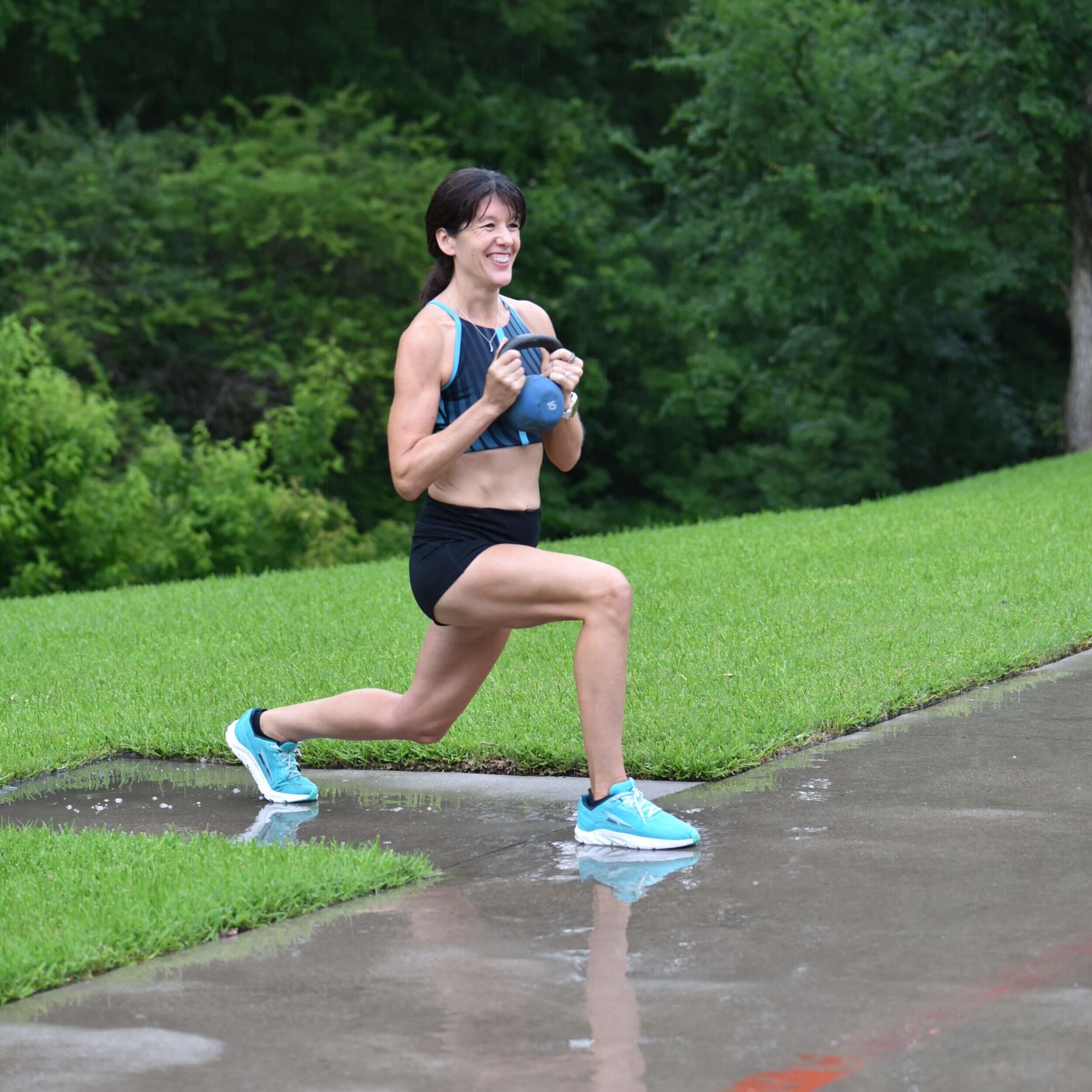
30 seconds alternating lunges
30 seconds jumping jacks

Alternating lunges

Alternating lunges

So, sounds good, right? But how do I do this magic brain thing that just makes me exercise on auto-pilot? 

Start to train your brain to build the habit by connecting your new habit with something you do everyday anyway. Brush your teeth then do the exercises. Commit to two minutes every day. That's it. Do it every single day without fail until it becomes a habit, then double that $hit. Go for four whole minutes. Crazy, I know. Do that for awhile (as long as it takes), then double it again. Sooner or later you'll be exercising 30 minutes a day. You'll probably want to move it out of the bathroom at this point. Hah. It's not all-or-nothing. Do what you can.

When you build up to exercising 30 minutes a day and you have one of those days where everything goes wrong and you don't have the time? Then go back to a four minute exercise session that day. Something is always better than nothing. A consistent four minute a day workout is much better than an hour long workout that you planned out perfectly but never got around to doing at all.

It's fine to start small. It's fine to move forward slowly. Success happens with consistency. If you are not exercising at all, then your only goal to start is consistency. Just do it. Every day. No matter what. Something. Anything. 

Remembering to exercise is sometimes the first step. We don't forget to exercise because we're stupid, lazy, or in the early stages of completely losing our minds. We forget to exercise because we are busy doing other important things in our lives, like scrolling Instagram. Just kidding, I mean the really important things like earning a living and spending time with our families. The key is to associate exercise with something you are doing every day anyway to build a habit. You need a trigger, just like my super-smart-not-an-asshole-at-all dog who learned to spell.

Did someone say walk?

Did someone say walk?

The same goes for nutrition. Want to eat more fruits and veggies? Put the banana next to the coffee maker. You'd never dare to forget your coffee, right? How about if you make your coffee, then make a protein shake loaded with spinach while it's brewing. Every day. Build a habit. 

Pack your lunch for the next day every night after dinner. Build associations in your brain. When you do this (insert thing you do everyday) then that means it's time to do this (insert a new healthy habit). It takes time to build a habit, so write post-it notes, tell your family to remind you or set reminders on your phone until it starts to become second nature.

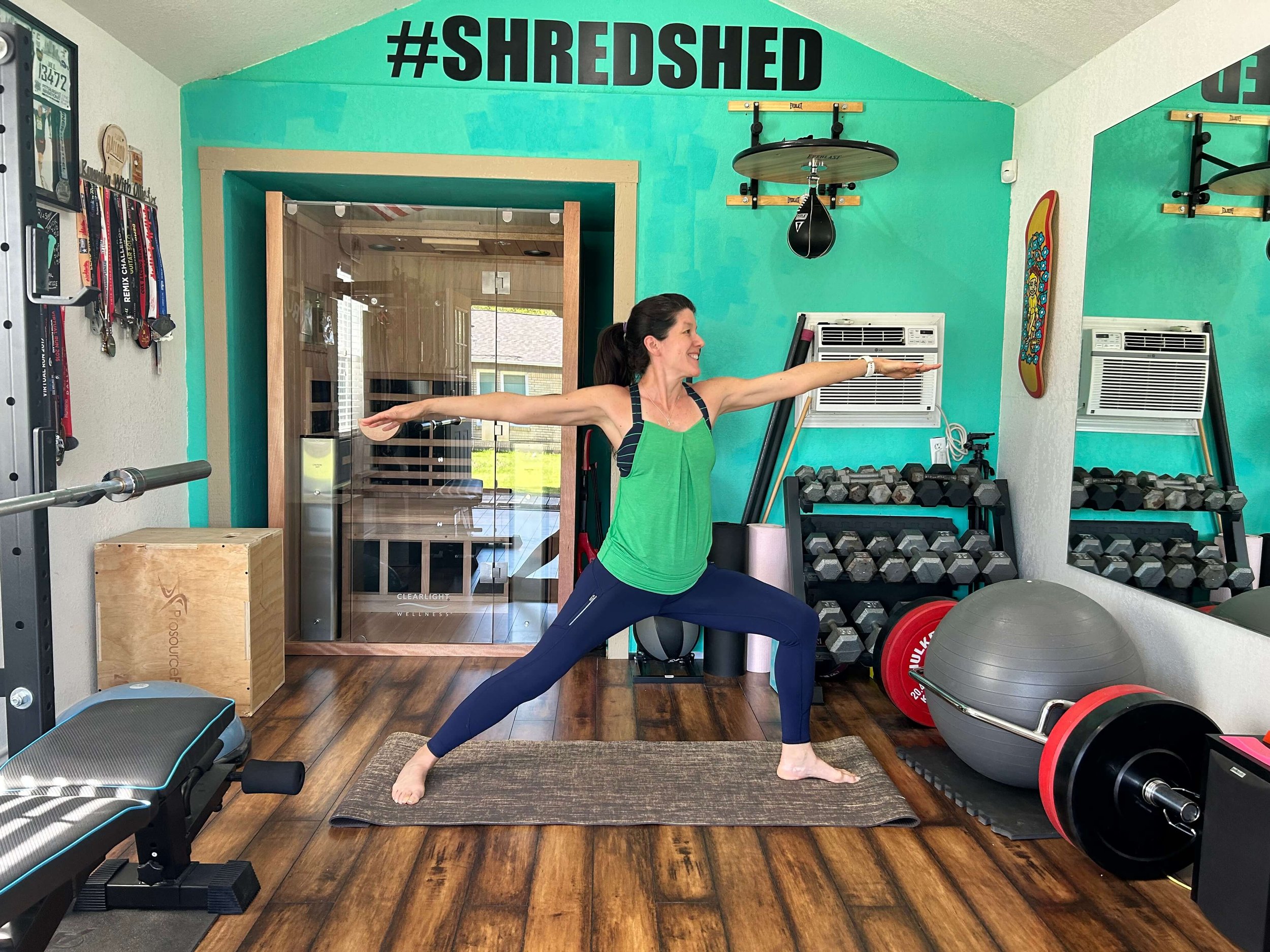
I do a strength for runners workout in the ShredShed on Monday, Wednesdays and Fridays. On Tuesday, Thursday, Saturday I go there and foam roll, stretch or do a quick four minute ab workout. Why? Because I want my brain to know it's time to go out to the ShredShed at the same time every day. It doesn't have to be (and shouldn't be) an all-out workout every time, In fact, rest days are necessary. The habit is more important than the workout at first. 

Think about what kinds of associations you can make. What healthy habit do you want to build? What are you doing everyday anyway? Find ways to connect them. 

We can learn a lot from our dogs, like living in the moment and running for the pure joy of it. Ollie is so smart. Now only if he would scoop up his own P-O-O-P he really would be the best dog in the world. 

Like this post? It helps me when you share with your friends and followers. 

Lea signature.jpg

Run Your First or Fastest Race Distance

I will be leading a group 'Couch to 5K’ and I have some online clients training to run a 5K, so I have been pulling together some information on running your first or fastest race. Whether you are training to run your first 5K or your fastest marathon, these resources will help you reach your goal of crossing the finish line.

RUN YOUR FIRST OR FASTEST RACE DISTANCE.png

SET A GOAL

Decide upfront what your goal is for the race. For some it may just be to cross the finish line and that is a great goal. For others it may to cross without taking a walk break. Some people may have a time they want to beat, while others want raise money for a charity. It's your race, you decide what you want to get out of it. Your training will depend on your goal. Decide on your goal first, then work backwards to decide how to train to achieve it. I can help you.

I also recommend spending some thinking about your why. Why do you want to run this race? Having a why will help you keep going when you're in the middle of your training and the excitement of a new goal has worn off. Whether you're raising money for charity, to show your kids what setting and achieving a goal looks like, or to prove to yourself you can do it, having a reason for the goal will help you stick to it when the training gets tough. Try this goal setting exercise to get started.

WALKING TO RUNNING PLAN

running shoes on bench.jpg

There is no shame in walking. Even fast runners sometimes take walk breaks or follow a run/walk training protocol. You decide what works best for you. However, if you want to train to run a race without walk breaks, check out this post on how to transition from run/walk intervals to running without walking. Whatever goal you choose to pursue, consistency in your training is the path to success. It will be hard at first. Keep going. It doesn't get easier, but you get stronger. 

WARM UP FOR RUNNERS

It's important to prep your body before a running workout. I suggest a dynamic warm up to prime your body for running. A dynamic stretch moves the joint through the full range of motion. A quick warm up increases blood flow, warms up muscles, improves hip mobility, core stability and balance. Check out this post for some warm up dynamic stretches.

HIP EXERCISES FOR RUNNERS

DSC_0597.jpg

Hip strength is important for runners to develop because when you run with weak or underdeveloped hips it can lead to all sorts of problems. Strengthening your hips will support your hips, IT band and knees. A few minutes focusing on strengthening these muscles will go a long way in staying healthy (aka not injured) on the road. 

I suggest this five minute hip strengthening workout immediately before your run.

STRENGTH TRAINING FOR RUNNERS

On your off running days, I highly recommend strength training for runners. You don't need to spend an hour in the gym pumping iron, just dedicate some time to runner-specific strength moves. Runners who strength train are stronger, faster and less prone to injury. Start here with my free strength training for runners program.

NUTRITION FOR RUNNERS

Nutrition matters. It matters for performance and recovery. It's important to fuel our workouts with healthy carbs, proteins and fats. Everyone can benefit from eating whole foods, mostly from nature when training for a race. For more information on nutrition for runners, check out this post.

INJURY PREVENTION FOR RUNNERS

You hear a lot about runner's getting injured, but is it because running is an unsafe sport? Is it bad for your knees? I say no. Runners who get injured likely made a critical error in their training. Don't feel bad, it happens to the best of us. If you plan ahead, know the risks, take proper precautions and listen to your favorite coach (that's me, in case you were wondering) then most people can run without injury. Check out my injury prevention checklist to make sure you are taking all the necessary precautions to avoid injury. 

CONSIDER HIRING A COACH

We live in a time of informational overload. Knowledge is power, right? Not so fast. Knowledge is everywhere. Information is abundant. If all it took was the availability of information we'd all we walking around slim and fit with six pack abs. crushing our PRs.

Sure, you can look up a training plan on the internet. There are literally thousands to choose from, but these training plans weren't built for you specifically.

A coach can write a dynamic personalized plan for you based on your fitness abilities, lifestyle and goals. A coach can push you and cheer for you and deliver tough love when you need it. A coach will change your plan as you go to account for your personal progress. 

You can do it on your own. A coach can help get you there faster. Coaches are not just for elite athletes and school kids. Recreational runners can benefit for the guidance from a coach.

Are you ready to crush your goal of running your first or fastest race? Any questions? I'd love to help.

LIke this post? It helps me when you share with your friends and followers. 

Lea signature.jpg

Need for Speed Track Workout

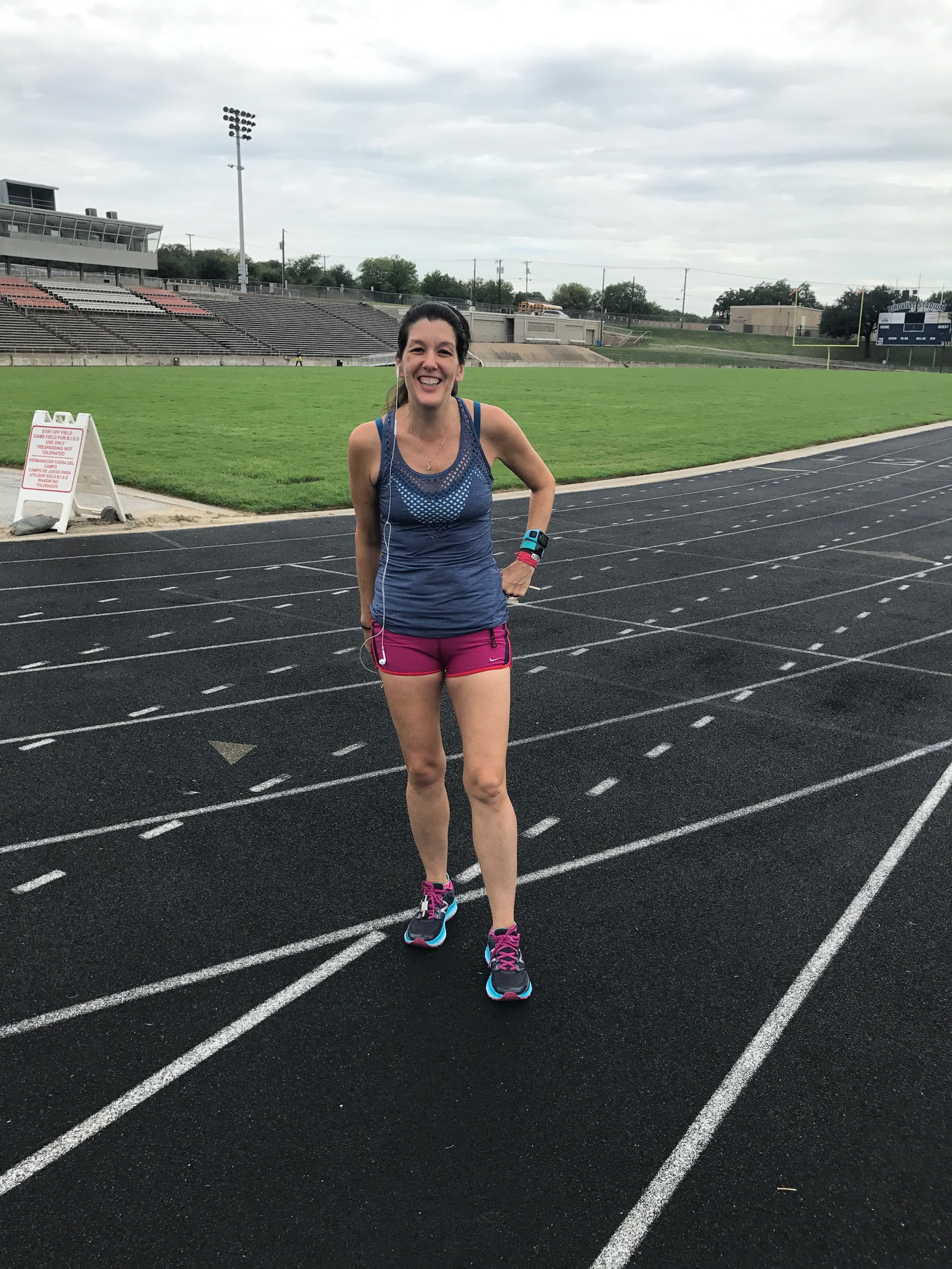
Hello there. Thanks for joining us for the latest edition of Workout Wednesday, when each week I share a new running or runner-specific strength training workout. This weekend hubby and I hit the local school track so I thought I would share my 'need for speed' track workout. 

Long intervals are great for distance runners looking to increase their running pace. The track makes it easy to measure distance without any fancy GPS. 

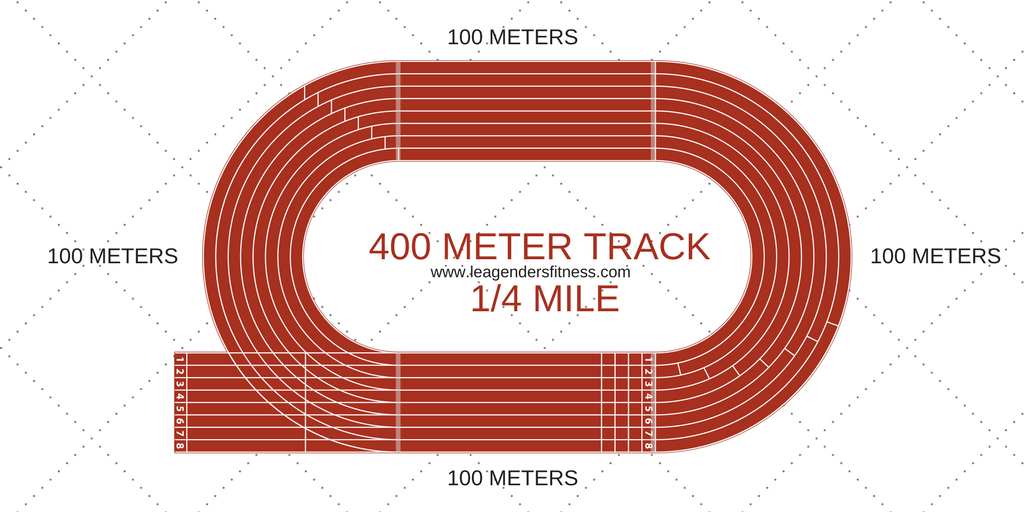
STANDARD 400 METER TRACK

A 400 meter track equals 1/4 of a mile. The straights are 100 meters each and the bends are 100 meters each.

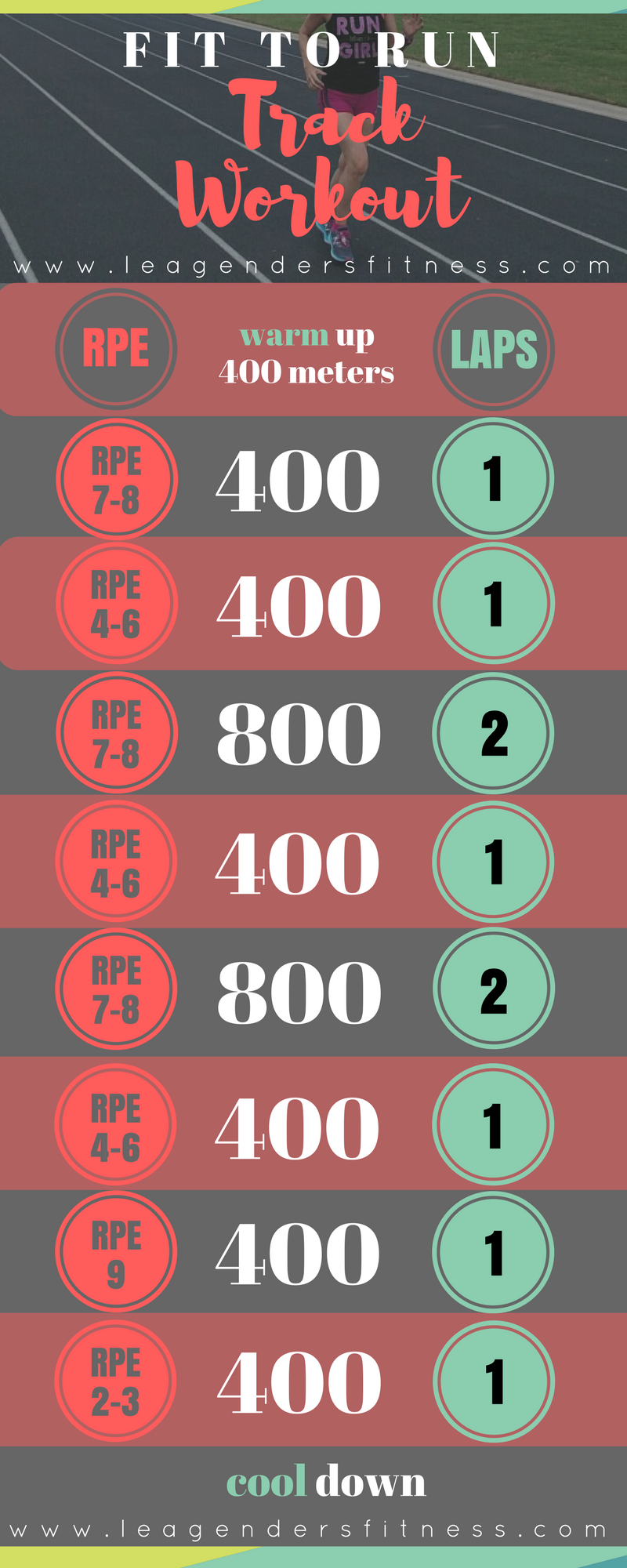
Track workout

Track workout

This workout is based on the RPE (rate of perceived exertion) chart. You can learn more about RPE in this blog post. The beauty of the RPE is that I don't need to assign specific paces for your speed and recovery intervals. That would be impossible for a blog post that reaches millions (ha. OK. hundreds) of runners of different abilities and experience levels. The workout paces are based on how you feel and the talk test. 

THE TALK TEST | RPE CHART

Your RPE can be determined by the talk test.

RPE:1 No effort. You are probably sitting.
RPE:2-3 Light effort. Breathing is extremely easy. You may be walking at a leisurely pace.
RPE: 4-6 Moderate effort. You are working a little harder, maybe a jog, but you can carry on a full conversation at this pace without gasping for air between words or sentences. 
RPE: 7-8 Hard effort. You can speak a sentence or two at a time before having to taking a gasp of breath.
RPE: 9 Extremely hard effort. You can get out a word or two but breathing is labored and talking is challenging.
RPE: 10 Maximum effort. You are completely out of breath and unable to talk. You would only be able to hold this pace for a very short time.

THE WORKOUT

Download a printable PDF of this 'Need for Speed' track workout

Download a printable PDF of this 'Need for Speed' track workout

  • Warm up and run one easy paced lap around the track = 400 meters.
  • RPE 7-8 (see above) Run one lap around the track at a hard effort = 400 meters
  • RPE 4-6 Recover by jogging or walking one lap = 400 meters 
  • RPE 7-8 Run two laps (1/2 mile) around the track at a hard effort = 800 meters. It is important to pace yourself here. Don't go out so hard that you can't make it around the track two times at a sustained pace
  • RPE 4-6 Recover by jogging or walking for one lap
  • RPE 7-8 Run two laps around the track at a hard effort = 800 meters
  • RPE 4-6 Recover by jogging or walking for one lap
  • RPE 9 This is your final push. Run hard for one lap = 400 meters
  • RPE 2-3 Walk your final lap

RECOVERY

A speed interval workout like this one can put additional stress on your body. It is extremely important to take rest and recovery days in between hard workouts. Never try to do hard interval-style workouts back-to-back without rest. Remember it is during rest that you get stronger and faster, not during the workout. Without the rest, you will not see improvements at the same rate.

A workout like this is effective performed just once or twice a week. Well-conditioned athletes may be able to handle three times. Pushing past your abilities only will cause injury and can side-line you from advancing at all. Be patient. Increase intensity slowly over time. Be safe, friends. 

Let's do it! I'm here to help.

Let's do it! I'm here to help.

Any questions? I'd love to help.

Like this post? It helps me when you share with your friends and followers

Lea signature.jpg

52 HEALTHY HABITS: STAND UP STRAIGHT!

Welcome to the latest edition of 52 healthy habits, where each week we tackle a new healthy habit in order to improve our lives. Healthy habits are the building blocks of a healthy lifestyle. When we work on improving our habits one at a time, a healthy lifestyle emerges. It takes time, but it's worth it when willpower and motivation are no longer needed. I invite you to follow along with my habits each week, dig into the archives to work on a past habit or make one up of your own. Pick something you want to work on and get started. 

Some weeks in the 52 healthy habits series I give you ideas of healthy habits you can work on. Some weeks I tell you about the things I am working on. This is one of those weeks. 

Speaking of healthy habits, I got a massage last weekend and I had an interesting conversation with the massage therapist.

"Your shoulders are rounded forward. This happens from sitting at a computer all day, looking down at your phone, even driving."

"I do all those things at least 10 hours a day, probably more."

"That's the issue. But it's no problem. We can work to correct it, but you need to work on your posture throughout the day. Push your shoulders back and down and hold your neck neutral whenever you think about it during the day, set a reminder on your phone if you need to. You can't correct it in a day, a week or even a month, but if you make an effort to improve, make this small posture change repeatedly on a daily basis, over time your body will respond." 
It struck me that he was talking about building a habit of good posture. It's exactly what I teach here week after week. Make an effort at the small things that seem insignificant and big results will follow.

It's funny he mentioned it because it was something I noticed myself just a week earlier. I am working on body composition improvements so I asked hubby to take some "before" pictures so I could note visual changes as the weeks progress. (I know better than to rely solely on the scale when working to increase muscle because the scale is a damn liar.) I was shocked when I looked at the first side view picture. My shoulders were hunched over visually but I was standing normally. 

Left: anterior rotation of the shoulder. Right: shoulders back and down, neck neutral. Note to self: comb your hair next time. Hah.

Left: anterior rotation of the shoulder. Right: shoulders back and down, neck neutral. Note to self: comb your hair next time. Hah.

Now I have something new to work on. Just like any other healthy habits we talk about here, it's the small incremental changes that lead to big results over time. You don't notice the difference in one day, one week or even in a month. When you eat slowly, drink more water, sleep more hours, eat more vegetables, eat more protein, you won't notice the changes right away but changes are happening.

Just like my rotated shoulders. It didn't happen overnight, but the cumulation of my bad habits (slouching over a computer, looking down at my phone scrolling Instagram, not paying attention to posture while driving) added up over time. It works both ways. We don't notice the small things, but it's the small things that make a big difference. 

Standing up straight or working on posture seems like a small insignificant thing. The small things are easy but they are also easy to overlook or skip. Do the small things to make big progress. 

AWARENESS

Awareness is always the first step. Now that I am aware of my shoulder rotation, I can work to correct it. How many years did I walk around slouched over, blissfully unaware? Now I know better and can work to improve. That's the first step. This applies to anything you want to change. Understanding that you need to make a change and a willingness to work on it is the first step in the right direction

ACTION

Even the smallest action will move you forward. I'm not going to fix my shoulders overnight, but the actions I take today will pay dividends in the future.

SHOULDERS BACK AND DOWN

Shoulders back and down when walking. Every time I stand up to walk or when I walk my dog (Hi, Ollie!) I would make a conscious effort to keep my shoulders back and down. 

FOAM ROLL & STRETCH

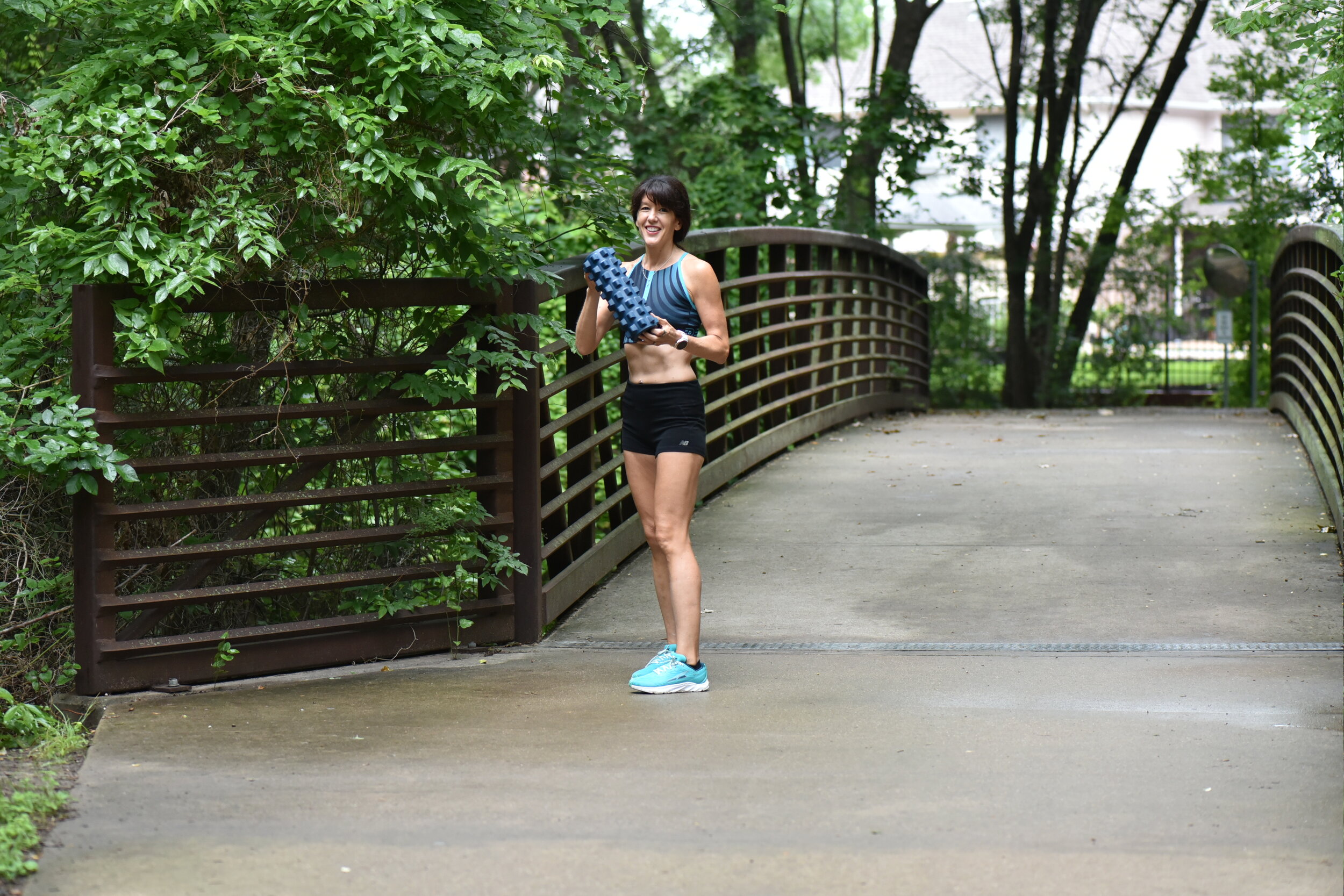
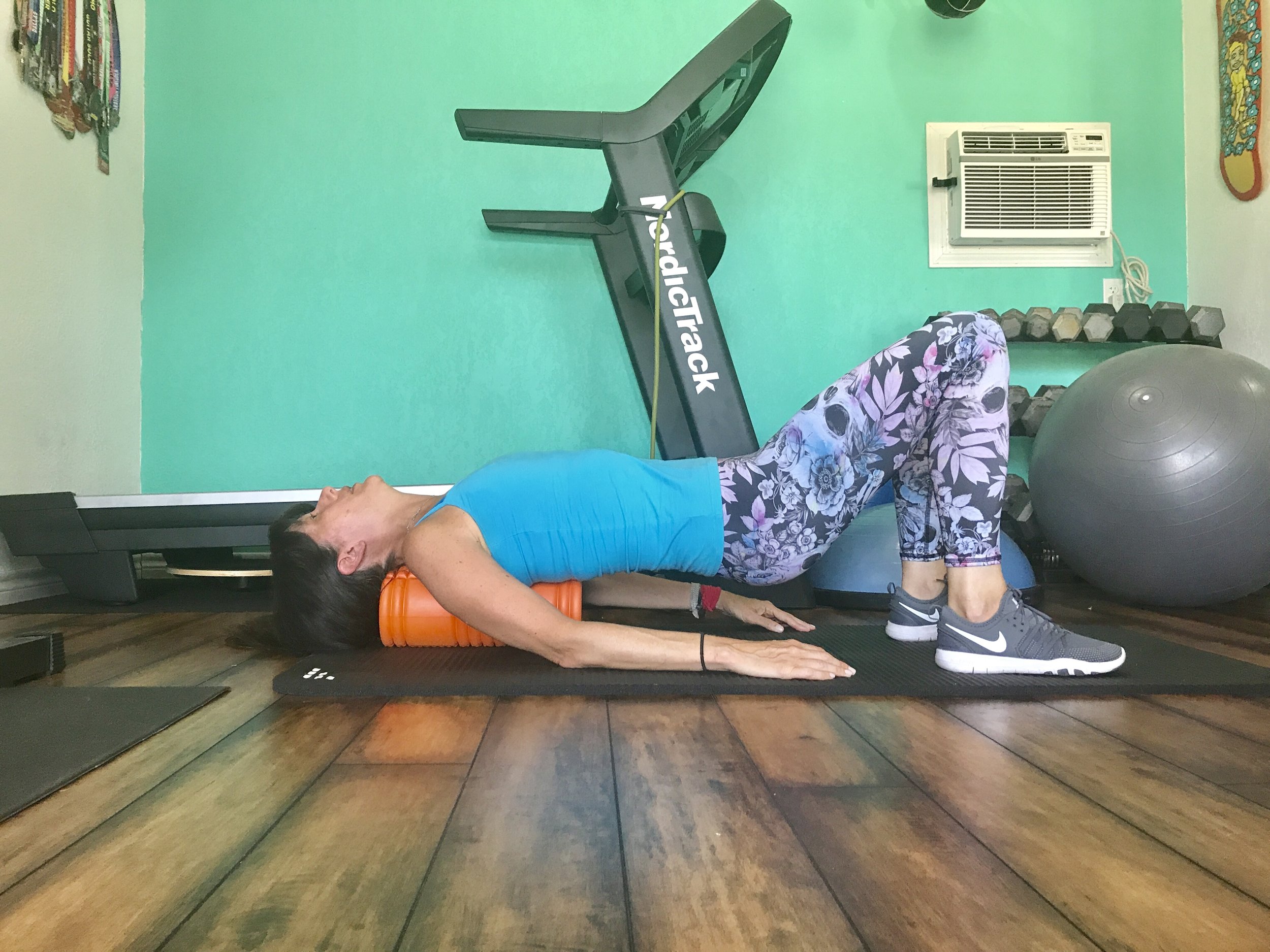
The massage therapist told me to lie on my back parallel to the foam roller with my head hanging off the end. He said not to roll, but to press my back into the foam roller, then lift my shoulders up, then press them back down for scapula retraction. Do 12-20 reps. This felt amazing. I am adding it into my daily workout. 

He also showed me some stretches to release my tight pectoralis muscles which is part of the reason my shoulders are rounded forward.

foam roller and skull leggings for the win!

foam roller and skull leggings for the win!

In our current environment, rounded shoulders is a common problem. We are looking down at our phones, spending hours in the car and in front of computer screens. Working to correct posture is a healthy habit that can be cultivated and built into our daily routines. 

Like this post? It helps me when you share with your friends and followers. 

Lea signature.jpg