Schedule Rest & Recovery into Your Training for Best Results

We often think about our workout schedule in terms of what exercises we need to do, but sometimes we neglect to schedule and plan our rest and recovery. Rest is an important part of the training cycle and should not be overlooked. In fact, I'd argue that your planned rest days are as important as your planned workouts. 

REST DAYS

How many rest days should you take each week? It depends on your fitness level, your age, your stress level, your sleep schedule and your nutrition. Some people may recover quickly while others take a little longer. I notice as I get older (cough cough) that I need more rest in between runs than I did 10 years ago. These days if I try to pound the pavement daily, my body will tell me about it. 

The key is to listen to your body. If you feel aches and pains, other than normal muscle soreness, that is a sign you need more rest. If you are stressed out at work and sleeping five hours a night, you probably need more rest days. Your lifestyle will dictate how much rest you need. 

The important point to remember is that our body adapts to exercise during rest, not during the workout. This means we get stronger and faster during the rest periods. If you don't allow your body the time to rest, recover and rebuild, then you won't reap the full benefits of exercise. 

ACTIVE RECOVERY

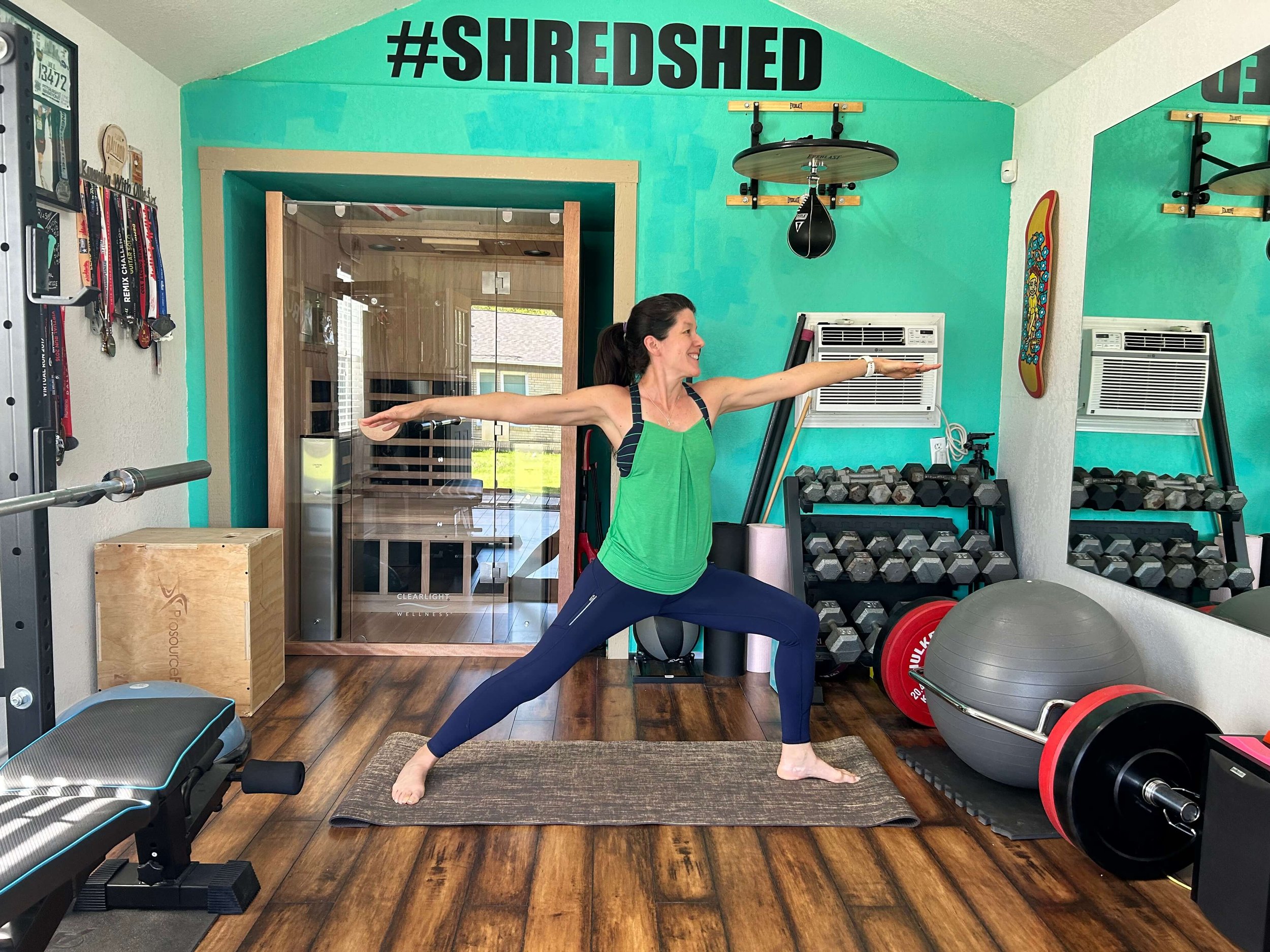
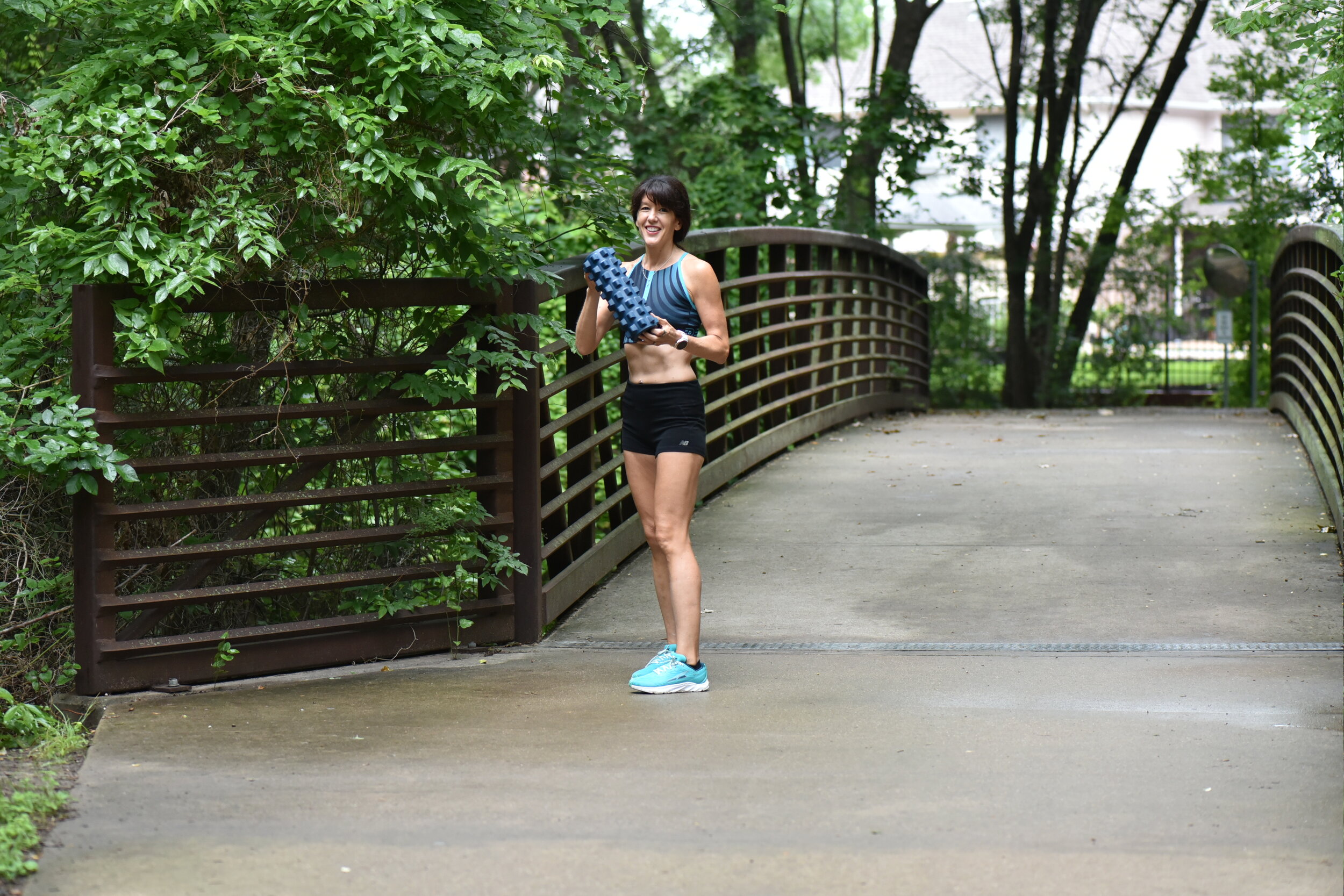
When you are resting, it doesn't necessarily mean that you need to spend the day on the couch with a Netflix marathon. Any low intensity activity is perfect for active recovery. This may mean a long walk, some gentle Yoga, an easy hike, foam rolling, stretching or mobility work. Find movements that don't put too much stress on your body to enjoy the benefits of being active while still allowing your body the time it needs for recovery. 

SLEEP

"I'll sleep when I'm dead" is a terrible plan. Sleep plays an important role in recovery from your workouts and in fat loss. Aim for 7-9 hours of sleep per night on a consistent basis. If you eat right and workout but still don't look or feel the way you want, sleep (or lack thereof) may be to blame. It's the first thing to look at and improve on when you're not getting the results you desire. Sleep plays a role in stress levels, recovery and regulation of hormones. Before you start looking at supplements, diet cycling or an elimination diet as a solution to your problems, make sure you have the basics covered. Are you sleeping 7-9 hours a night on a consistent basis? I wrote a blog post on how to follow and create a sleep ritual for more tips.

STRESS MANAGEMENT

If you're frazzled and stressed your body will take longer to recover from workouts and you may hold on to unwanted weight. It is all connected. In this fast-paced world, we could all use a little break. Work on stress management by participating in relaxing, healthy activities.

For some people it may be a meditation or prayer practice. For others it may be reading or bubble baths. Get a massage, take a long walk, listen to music, write a journal, spend quality time with friends, play with your dog. Put away the phone and spend time with family outdoors. Take time each day to participate in activities that feed and soothe the soul. In this go-go-go world, take 15-30 minutes a day for self-care to help you unwind and relax. Your body will thank you.

Inadequate rest and recovery can lead to overtraining, poor progress and possible injury or illness. Schedule rest days, active recovery, a sleep schedule and wellness activities into your training cycle for best results. 

How many hours of sleep do you get each night? How how rest days per week? Have questions? Need help? I'm here for you.

Like this post? It helps me when you share with your friends and followers.


Fit to Run: Interval Run

Welcome to the latest edition of Workout Wednesday. I am writing a new running and strength program and if you are subscribed to the blog, you can follow along each week as it unfolds. I will slow-drip the content to my blog readers and once the program is complete I will likely release it as an ebook. 

You can read my introduction to the program here and last week I shared the first workout on the plan: Easy run plus 20 minute strength workout.

We already talked a little bit about goal setting because it is a good idea to have clear goals before starting any new program.

This program will also have a nutrition component. You can get started by checking out this article on how to self-assess your own food journal. More to come in the future on sport and exercise nutrition. 

This post contains affiliate links. This means if you click on a link and make a purchase I make a small percentage of the sale with no additional cost to you. No one is getting rich here, it just helps with the running (pun intended) of this blog. Thanks for your support. 

WEEK ONE, DAY TWO

INTERVAL RUN

Week one day two is an interval run. You will need a timer to track your intervals. I use the GymBoss to time my intervals when I am not on the treadmill.

Interval workouts are great for improving speed and running efficiency. I recommend intervals two times a week to start. 

Always warm up before beginning any running workout. I shared a quick dynamic workout in this blog post. 

This workout uses the RPE chart (rate of perceived exertion). Your pace is based on the talk test. You can learn more about RPE in this post but I'll give you a short rundown for this workout.

After your dynamic warm up begin this workout by walking briskly or jogging slowly before you start your first interval.

You will alternate between a hard effort for 30 seconds and an easy recovery effort for 90 seconds for eight rounds. 

Your 30 second hard effort should be RPE 7-9. It should be difficult to talk or get out a word or two during this interval. It should feel hard enough that you can't hold a conversation, but not so hard that you can't maintain the pace for the full 30 seconds. You may have to experiment with what the right pace is for you. (You have eight rounds to figure it out. wink.)

Your 90 second recovery effort should be a brisk walk or a slow jog in order to recover from your hard interval. 

This workout including the warm up and cool down is about 20 minutes. The workout is shorter in duration but higher in intensity, so be sure to push yourself appropriately during the hard effort intervals for the best results.

Interval workout - save to Pinterest - subscribe for a printable workout

Interval workout - save to Pinterest - subscribe for a printable workout

Give it a try and let me know how it goes. If you are subscribed to my blog you will continue to receive updates on this program. Enter your name and email below for a printable version of the interval workout.

Did you know today is Global Running Day? Join Ollie and me today and pledge to run at least one mile to celebrate with other runners all over the globe. 

Like this post? It helps me when you share with your friends or followers.

52 Healthy Habits: Overcoming the All-or-Nothing Mindset

Welcome to the latest edition of 52 Healthy habits where we tackle a new healthy habit each week. A healthy lifestyle is built on a foundation of healthy habits. If we work on building healthy habits slowly over time then a healthy lifestyle and its benefits will emerge. 

You can try to work on the habits I write about each week or adopt your own. Look to make incremental improvements and over time they will snowball into big changes. Slow and steady, baby. 

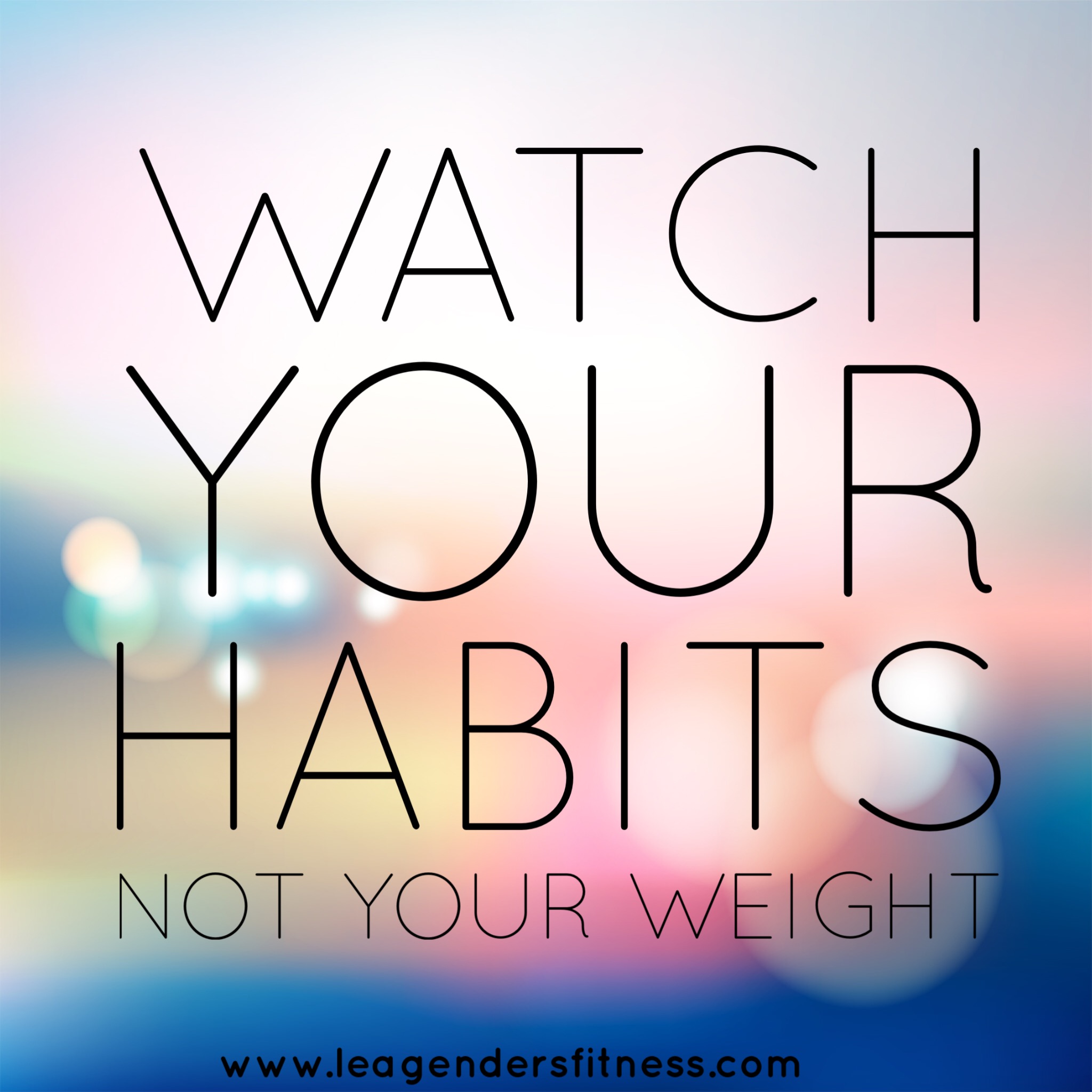
watch your habits, not your weight.

watch your habits, not your weight.

This week we are talking about a subject that is near and dear, the all-or-nothing mindset. It was something that I struggled with for the better part of a decade. I was all-in or all-out and my weight reflected the inconsistency. I would run a lot and only eat "clean" foods for as long as my willpower would allow, all while telling myself that I was living a healthy lifestyle. (I was not. A healthy lifestyle includes the body and mind.)

I couldn't execute moderation because anytime I fell off the 'perfect' wagon, it turned into an endless pit of unhealthy behaviors. "I already screwed up today, why stop now?" "I shouldn't have ate that. I'll start over fresh on Monday and enjoy the rest of the weekend." "I'll finish this bottle of wine, then I won't buy anymore."

"Hard-core starts Monday" we repeated so many times week after week with no real changes, it became laughable. 

But hard-core isn't sustainable. The problem with all-or-nothing is that if you are not on your diet and exercise routine, then you're completely off.  It's akin to getting one flat tire on your car and then slashing the other three. It's already bad, why not make it worse?

But a truly healthy lifestyle doesn't have to be that way. A healthy lifestyle involves caring about your health and making mindful choices all while enjoying the pleasures of life in moderation. There is no "wagon" to fall off. You do the best you can every day and your best is good enough, even when (especially when) it's not perfect.

Some say moderation doesn't work. And I agree that there are times that one may need to abstain from certain foods. Just like you wouldn't tell an alcoholic to just drink in moderation, sometimes certain foods can be red flag foods. If you have never opened a family-sized bag of chips without polishing the whole thing off, it might be best not to ever open that bag (or only buy single serving bags). If you can't stop eating the pizza at two slices, you may decide it is best to not order the pizza. The key is to know your limits.

If you have eating issues that are beyond your control, I recommend that you speak to a Registered Dietitian to help you work through it. Sometimes the roots of food issues aren't about food at all and a professional can help you get them resolved. There is great strength in asking for help.

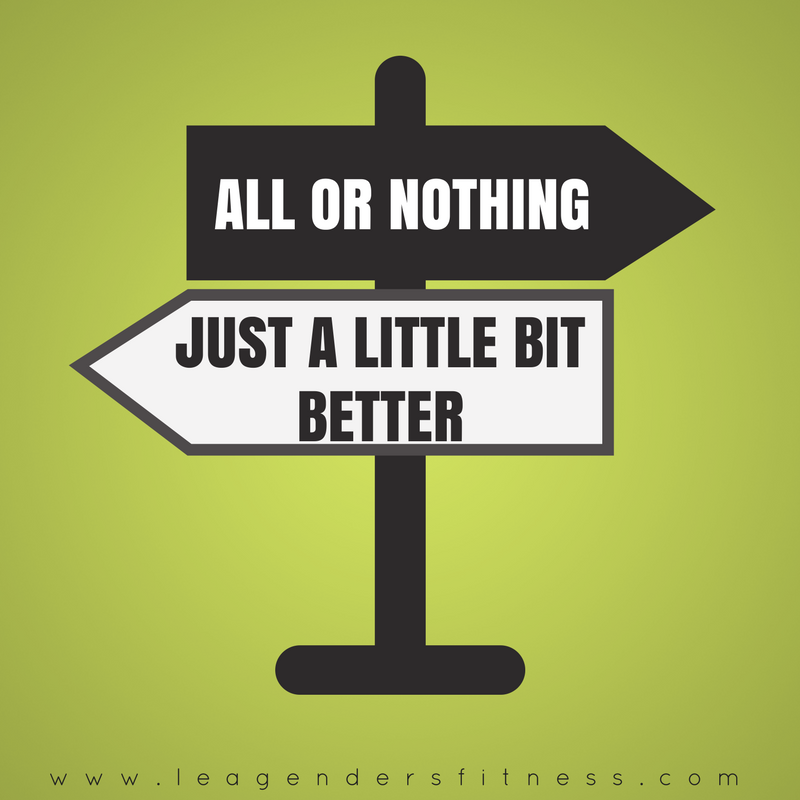
FROM ALL-OR-NOTHING TO JUT A LITTLE BIT BETTER

We often don't think about mindset as a habit, but establishing a healthy attitude towards food is a habit that can be trained. 

As a recovering All-or-Nothing thinker, these days I aim to look at my choices on a continuum. How can I make this a little bit better? 

You see, it's not about making perfect choices all the time. It's about making the best choice possible in the moment. 

It's a friend's birthday and group of close friends are meeting at a burger restaurant to celebrate. Friends and celebration are an important part of an overall healthy lifestyle. Human connection is essential for happiness. You want to enjoy time with friends but you want to make healthy choices to reach your health and fitness goals. You are not going to show up with tupperware of chicken and broccoli. Don't be that guy (or gal). You don't have to choose between time with friends and a healthy lifestyle. You can settle somewhere right in the middle. 

You have options:

You could order a burger with bacon and cheese, large fries and three beers and then declare that the week is screwed up now and continue to eat poorly for the rest of the day, the rest of the week, until a new Monday rolls around when you can pinky swear to yourself that you will start over.

You could order a burger with bacon and cheese, large fries and two beers and consider it your indulgence meal for the week. 

You could order the burger, skip the bacon, but ask for a whole wheat bun, share the fries with a friend and order one beer.

You could order the burger, skip the bun, order a side salad instead of fries and a diet coke.

You could order a salad and water.

There is no right or wrong answer when you look at your options and ask, "How can I make this choice a little bit better?" It doesn't have to be perfect, just better. 

Another example: A co-worker mentioned to me that he knew he should be eating healthier at lunch. He would usually run out to a fast food restaurant out of convenience, but he said he wanted to save money and eat a little healthier. He said he could bring a sandwich from home and a small bag of chips because it was inexpensive and easy to throw together before work, but he said he thought eating bread and chips every day wasn't that healthy either...might as well keep ordering fast food. 

Yes, maybe eating a sandwich and chips everyday is not the perfect balanced healthy lunch, however, it is a big improvement on a fast food meal. It is better quality food with less processing and calories. It's not perfect, but it's better. Maybe after the habit of bringing a sandwich from home is established, he would be really and willing to upgrade his choices. Just a little bit better. Inch forward slowly.

He didn't need to overhaul his lunch routine with Sunday night meal prep of perfectly balanced macronutrients, because that would likely be too overwhelming and he ultimately wouldn't do it. Making a sandwich, trying to choose healthier components (whole wheat bread, natural meats, vegetables, etc.) is the first step. After the habit is established, maybe he can ask himself again, "How can I make this a little bit better?" Maybe he could replace the sandwich with a salad or the chips with fruit...when's he ready. 

"How can I make this a little bit better?" is the solution to the all-or-nothing mindset. Forget perfect. Work on just a little bit better. Maybe it's portion size. Maybe it's food quality. Maybe it's food selection. There are always ways to make it just a little bit better. 

And just so you don't get too hard on yourself when you are not perfect (news flash: no one is), just for fun, look at the foods you are eating and ask yourself, "What would make this a little bit worse?" It's about perspective. I'm not saying to act on the worse version, just think about what it would look like.

If you are mindful of your choices, try to choose healthy options when they are available and look for ways to make small improvements in all your choices, you'll be well on your way to a healthy body and mind.

Need help with your nutrition strategy? Tired of dieting? Want help developing healthy habits while staying sane and balanced? My nutrition and lifestyle coaching program begins in June, get on the list for a big pre-sale discount. 

Like this post? It helps me when you share with your friends or followers.


Coach Lea


Things Dieters Do that Maintainers Don't

I can speak on the subject of dieting with some authority because I consider myself an expert in weight loss. What makes me an expert? I lost weight more times than I care to admit. Losing weight was always the easy part for me, maintaining it was the ultimate challenge. It took me a long time to figure out how to lose the weight and keep it off for life.

You can learn from my experiences so you don't make the same mistakes. These are a few of the lessons that I learned when I ultimately figured out how to keep the weight off for good. There are certain ways of thinking that sabotaged my efforts and once I overcame them, I was able to maintain a healthy weight. 

Things dieters do that maintainers do not

Things dieters do that maintainers do not

THINGS DIETERS DO THAT MAINTAINERS DON'T

GO ON (AND OFF) DIETS

It's been proven time and time again; diets don't work. Instead of setting up strict rules about what you can and can not eat, it is more effective to make healthy choices most of the time and allow some room in your lifestyle for treats in moderation. Getting over the all-or-nothing mindset was a game changer for me. When there's no wagon, you can't fall off it. 

CUT OUT ENTIRE MACRONUTRIENT GROUPS

A lot of the popular fad diets cut out entire macronutrient groups. The fat-free diet was popular in 90s, then it was all about low-carb. The truth is we need all of the macronutrients, protein, carbs and fats in our diets. Protein helps repair and build muscle. Carbs are our body's preferred energy source and fats are essential for protection of our organs and insulation of nerve cells. Focus on the quality (whole foods) and quantity of each macronutrient instead of cutting anything out completely. Fats don't make you fat. Carbs don't make you fat. Eating more calories than you expend (from any source) causes fat storage. 

DON'T EAT ENOUGH

Eating very low calories can cause your metabolism to slow down to compensate. When you don't eat enough you are probably missing specific vitamins and minerals because you are not eating a wide variety of whole foods in your diet. It can make you feel terrible, sluggish and cranky. Very low calorie diets can often lead to overindulgences later. Eat a wide variety of quality foods in the proper portions for your activity levels to look, feel and perform your best.

OBSESS OVER THE SCALE

The scale is a tool and only one measure of success. Stepping on the scale every day and obsessing over every fluctuation can cause unnecessary anxiety. Focus on non-scale victories: How do your clothes fit? How do you feel? How are your workouts?

The scale doesn't tell the whole story and often tells an inaccurate one. Focus on fat loss, not just weight loss. Losing water will make the number drop on the scale, so will losing muscle, and that it something we want to avoid. Step on the scale every once in awhile to make sure your weight is trending in the right direction, but obsessing over the scale isn't the answer.

RUSH THE PROCESS

You wouldn't turn up the temperature in the oven to cook your dinner faster and weight loss doesn't work that way either. Learn to enjoy the journey because there is no finish line. Look for sustainable ways to live a healthy lifestyle. It took time to put on the weight and it may take some time to take it off.

I look at it like this: What if it took a year to take off the weight? It seems like a long time, but you can play the long game, the slow approach and do it in a safe, sane and sustainable manner. Or you could spend the next year going on and off diets and exercise programs and not make any actual real progress in the same time frame. Slow and steady really does win the race. 

DON'T SLEEP ENOUGH

Sleep and stress management are often overlooked completely but an important part of any fat loss plan. Aim to sleep seven to eight hours per night. Participate in stress-relieving activities whether it be meditation, prayer, bubble baths, massages, reading or low intensity physical activity like walking or Yoga. High levels of stress can cause your body to hold on to fat.

EAT "DIET" FOODS

Food marketing is tricky these days. It is easy to be fooled by marketing labels that advertise health foods that are not healthy at all. They use labels like all-natural, low fat, low carb, organic, sugar-free, Gluten-free and healthy on all kinds of processed foods that are not healthy at all. 

If it says "diet" on the package it is likely an unhealthy processed food. You can absolutely enjoy these types of foods in moderation as part of a healthy lifestyle, just as long as you eat them with full knowledge that they are not health foods. 

Try to stick to whole foods from nature most of the time.

SKIP EXERCISE

Strength training can help you maintain lean muscle while you work to lose weight. Muscle tissue requires more energy to maintain than fat, so a person with more muscle burns more calories at rest. Strength training increases lean mass, which increases calorie burn throughout the day.  You don't have to try to look like a bodybuilder, some simple bodyweight or dumbbell exercises can help you maintain or increase lean mass. 

Cardio exercise can help put you in a calorie deficit, which is important for weight loss. For best results include a balance of both strength and cardio in your weekly schedule. 

Do any of these sound familiar? Have you made any of the same mistakes that I did? Is there anything you may need to work on? Take it one step at a time. Let me know if you have any questions. I am happy to help.

Like this post? It helps me when you share with your friends and followers.


Fit to Run: Easy Run + Strength Day #1

Hi, friends! I am excited to share my strength training for runners program with you as it unfolds. Each week on #workoutWednesday I will share a new component of the program. We are starting with phase one which will last four weeks. I wrote an introduction to the program last week that explains how I am putting it all together. The intention is to slow-drip the content to my blog readers as it is created and then eventually offer it as an ebook once it's complete. 

We already talked a little about goal setting, because it makes sense that before you start any new program you really think about what you want to get out of it. For best results think about your goals and what you what to accomplish over the duration of the program.

I am also including a nutrition component in the program because fueling your body properly for performance is important. You can check out this post about how to self-analyze your food journal as a starting point. More to come on sports and exercise nutrition. 


WEEK ONE DAY ONE

Day one is an easy run and the strength training "A" workout.

EASY RUN

An easy run should be 30 minutes or less at a conversational pace. This means the effort level is leisurely and you can hold a conversation without gasping for breath between sentences. You can learn more about Rate of Perceived Exertion or RPE and how to determine your effort level in this post. The purpose of this workout is to build and maintain and running base. 

STRENGTH TRAINING "A" WORKOUT

The strength training workout is about 20 minutes including rest periods. We are starting out with bodyweight exercises that can be progressed by adding weights as you get stronger. 

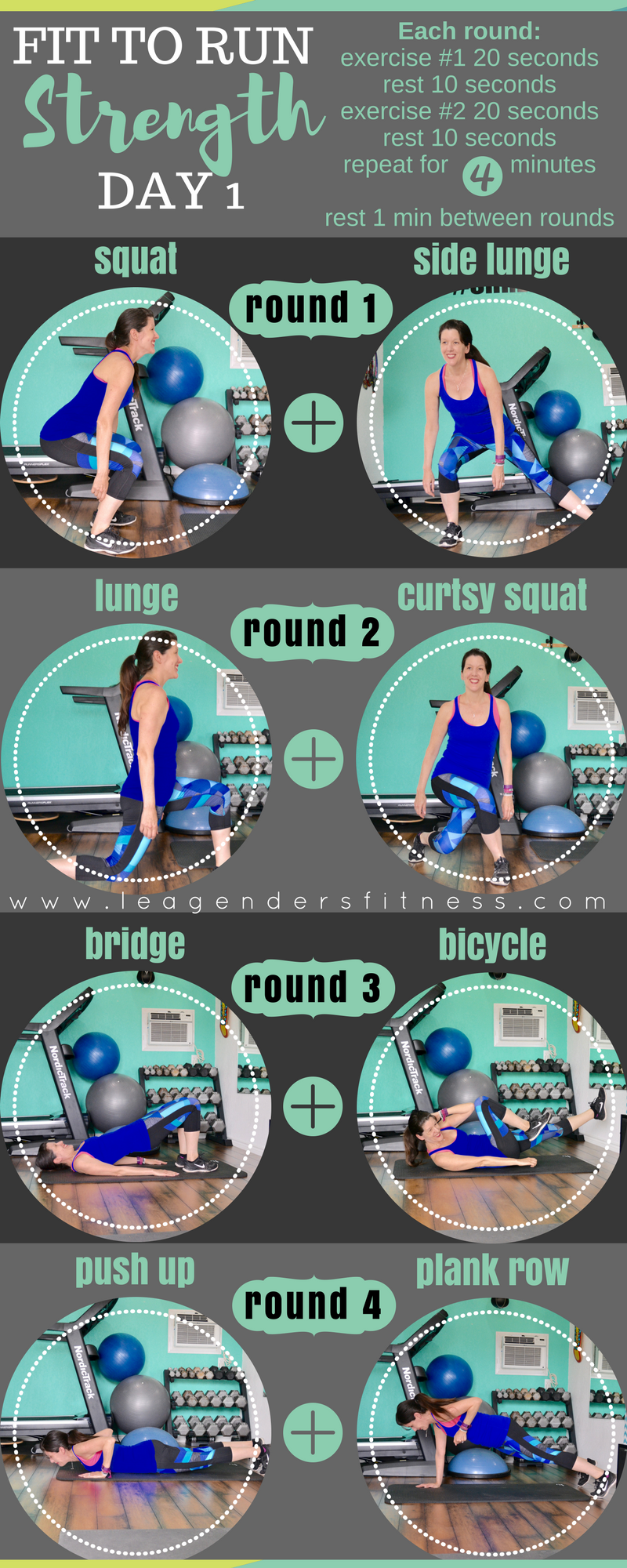
This workout uses a 20 second work/10 second rest protocol repeated for 4 minutes. You can search "Tabata timer" in the app store or on Google play to find a free timer or I like to use the (afffiliate link-->) GymBoss timer. 

For each round you will alternate between two exercises for the four minute duration.

Exercise one: 20 seconds
rest 10 seconds
Exercise two: 20 seconds
rest 10 seconds
repeat for four minutes
rest one minute between rounds

These particular exercises were selected to strengthen your core (which includes your hips). Runners often have muscle imbalances because as you run, your quads (front of your thigh) and your calves grow strong while your hips and hamstrings are under utilized. You run in only one plane of motion (forward). To improve strength, overall athleticism and avoid injuries, it is essential to build strength laterally. 

Fit to run strength training for runners - download a printable version of this workout. Save to your favorite fitness Pinterest board

Fit to run strength training for runners - download a printable version of this workout. Save to your favorite fitness Pinterest board

ROUND ONE: SQUAT AND SIDE LUNGE

SQUAT:

Push your hips back and lower until your thighs are parallel to the floor (like you are sitting back in a chair) or as low as your flexibility allows. In the low position, engage your core, squeeze your glutes and push back up to standing. Return to center, push hips back again and repeat for 20 seconds. Take a deep breath in as your lower to the squat and breathe out as you return to standing. Rest for 10 seconds before moving on to the next exercise.

SIDE LUNGE: 

Face forward with toes pointing straight ahead, take a wide step out to your right side. Push your hips back, bend your right knee, while straightening your left leg. With your back straight, hinge at your hips to aim to touch the floor with both hands on either side of your foot. Do not round your back or allow your knee to move forward beyond your toe. Be sure to keep your torso and both feet facing forward. Alternate between the right and left side for 20 seconds. Rest for 10 seconds before moving on to the next exercise.

Rest for up to one minute between rounds. 

ROUND TWO: LUNGE AND CURTSY SQUAT

LUNGE:

With your feet hip width apart and your toes pointed straight ahead, engage your core and keep your back straight. Take one large step with your right leg to lunge forward until your front knee is lined up over your ankle and your back knee is nearly touching the floor. Do not allow your knee to move forward over your toes. Resist the urge to lean forward or rest your arms on your thighs. Once you are in the lunge position push back up to starting position. Alternate legs for 20 seconds. Rest for 10 seconds before moving on to the next exercise

CURTSY LUNGE

Stand with your feet hip apart. Cross your right leg behind the body and to the left. Bend left knee 90 degrees, or as low your flexibility will allow, toes pointing forward, then return to starting position. Alternate sides for 20 seconds. Rest for 10 seconds before moving on to the next exercise.

Rest for up to one minute between rounds.

ROUND THREE: BRIDGE AND BICYCLE

BRIDGE:

Lie on your back with your knees bent and push your hips off the floor so your body is in a straight line from your shoulders to your ankles. Squeeze your glutes and engage your abs for 20 seconds. Rest for 10 seconds before moving on to the next exercise.

BICYCLE:

Lie flat on the floor with the lower back pressed into the ground. Place your hands on either side of your head, do not lock your fingers or pull on your head. Lift your head and shoulder off the floor and touch your right elbow to the left knee. At the same time, straighten your right leg, keeping it several inches off of the floor. Alternate sides to repeat the motion you'd make while pedaling a bicycle for 20 seconds. Rest for 10 seconds before moving on the next exercise. 

Rest for up to one minute between rounds

ROUND FOUR: PUSHUP AND PLANK ROW

PUSH UP:

Start in a high plank position with your hands placed a little wider than your shoulders. Keep your body in a straight line, while engaging your core, bend your elbows slowly to lower your chest to the floor. Once in the low position, push back up to the starting position. If this is too challenging, drop to your knees or do incline pushups to reduce the weight. Repeat for 20 seconds. Rest for 10 seconds before moving on to the next exercise.

PLANK ROW:

Start in a straight-arm high plank position with your wrists directly under your shoulders and your legs slightly wider than hip width for stability. Keep your body in a straight line from your shoulders to ankles while engaging your core. Do not allow your hips to hike up or sag down.

With your core tight and your glutes engaged lift your right elbow to row as you bend your elbow up toward the ceiling. Keep your elbows close to your side, do not allow them to flare out. You can do this exercise with or without weights. Alternate sides for 20 seconds. Rest for 10 seconds before moving on to the next exercise. 

When you're finished, if you're a weirdo like me, you'll sing for joy. Or maybe not.

Like this post? It helps me when you share with your friends or followers.


Coach Lea