How to Eat Healthy on a Budget

When questions come up from several different clients or readers around the same time, I take it as a sign that it is a topic that people want to learn more about. When you ask me questions, it helps me too, because it gives me ideas about new blog content, so keep the questions coming. 

Last week I had two nutrition clients and a follower on Instagram ask me about eating healthfully on a budget. The general consensus was they were having trouble choosing healthy foods and avoiding food waste while not breaking the bank. They have the intention that they want to eat healthier, but have this obstacle of cash flow to overcome. 

How to eat healthy on a budget - save to Pinterest for later.

How to eat healthy on a budget - save to Pinterest for later.

While it may seem cheaper to hit the drive through for a fast food meal on the dollar menu it is important to consider the long term cost to your health of eating fast food and low quality foods on a regular basis. It may be a little cheaper when you pull out your wallet, but it is a lot more expensive to deal with health care costs if you have less than optimal health in the future. The choices you make today can help make your future-self healthier and less prone to illness, sickness and disease. This is not meant to scare you, but just to consider that taking care of your body and your health today is actually less expensive in the long run. 

I realize that doesn't help with real world budget issues. If you have $50 to spend on food this week you can't spend $100 on healthy groceries if it isn't in your bank account. Our goal is is to get the most healthy bang for your buck. Let's figure out to eat the healthiest food possible while not breaking the bank.

Just like anything else, healthy eating isn't all-or-nothing. That means that if you can't afford all organic vegetables from the expensive market, then you shouldn't throw your hands in the air and buy potato chips instead, because at least they are made from potatoes (hah) and they are cheap. Non-organic vegetables are healthy and chalk full of necessary vitamins and nutrients. If you can't afford grass-fed beef that doesn't mean your only other option is a fast food burger.

You have choices. It's not a choice between the best possible option and the worst possible option, there are plenty of alternatives in the middle. You don't always have to make the most nutritiously perfect choice, just strive to make the best choice that is reasonably available to you in the moment. If you are mindful of making good-enough choices most of the time, you'll be well on your way to a healthy lifestyle, even on a tight budget.

SHOPPING FOR HEALTHY FOOD ON A BUDGET

Here are 10 low cost healthy food choices to cover all your nutritional bases. Healthy eating does not need to be expensive. If you stick to the basics of whole foods from nature, you can eat healthful foods that you actually enjoy without breaking the bank.

10 low cost healthy foods. save to pinterest for later.

10 low cost healthy foods. save to pinterest for later.

1. Frozen Mixed Vegetables

Bags of mixed frozen and vegetables can be very inexpensive, especially when you choose the store brand. When you buy mixed veggies you can get a variety of colorful, nutrient-rich vegetables for a fraction of the cost than buying all those fresh veggies separately. Frozen vegetables are picked at their peak and then frozen to preserve their nutrients. 

If frozen vegetables sound boring, don't be afraid to add seasonings or even a little butter or cheese for flavor. You will be adding calories, but I'd rather see you eat vegetables with cheese than not eat them at all. Remember the choice doesn't have to be between steamed plain veggies or no vegetables at all. How can you make it work for you? 

2. Fruits

Bagged frozen mixed fruits (no sugar added) are great as toppings and in smoothies. You can also choose fresh bananas, apples and oranges as affordable choices for snacks, sides and healthy desserts. What are you favorite fruits? Fruits are taste bud friendly and can be lower in cost when compared to packaged sugary sweets.

3. Old Fashion Oatmeal

Old fashion oatmeal provides fiber and healthy nutrients for your breakfast. Buy plain dry oats in the tall canister and add your own fruits and flavoring (like ground cinnamon). The prepackaged sweetened pouches are less-healthy and usually more expensive. 

I like overnight oats for a delicious nutritious breakfast on the go. Check out this post I wrote for a variety of overnight oats ideas.

4. Potatoes

Potatoes are a power powerhouse of nutrients. They are inexpensive and have a long shelf life. Wondering if you should buy white or sweet potatoes? This interesting article goes into depth on the differences in nutrition. Spoiler alert: if you like white potatoes, there is no need to shy away from eating them. Whatever variety you choose, potatoes are an excellent whole-natural carbohydrate source to fuel our workouts and our lives. 

5. Beans

Dry beans are an excellent source of quality carbohydrates and protein. With a little work upfront you can prep the beans in advance for an inexpensive and healthy meal or side dish ready to go when you are. 

Pour one part beans into a large bowl, cover with four parts water and leave them on the counter overnight. The next day, discard the soaking water, put the beans into a pot, cover with fresh water and boil until tender. 

6. Frozen chicken breasts

Chicken breasts are a high protein, low fat food. You can buy frozen chicken breasts in three to five pound bags that need to be thawed and cooked before eating for the best value. You pay for convenience, if you buy frozen cooked chicken breasts, they usually will be more expensive than frozen raw. If you buy fresh chicken, buy in bulk and freeze. We often cook two weeks of chicken portions at a time and freeze until needed. It is easier to make a healthier choice when a chicken breast is a defrost away. 

7. Tuna/salmon packs

Tuna and salmon packs are inexpensive protein choices. One serving of tuna can have as much as 30 grams of protein. That is a lot of protein for your money. Watch for added sugars and choose water-packed tuna instead of oil-packed. Generally speaking, the plain versions are the healthiest and least expensive. You can add your own flavors: mustard, mayo, pickles, onions, peppers, cheese and/or nuts. The choices are endless to spice it up. Use in salads, in wraps or as a snack right out of the pouch.

8. Eggs

Eggs are another good source of protein, pair them with veggies and oatmeal for a balanced breakfast. Hard boil eggs for a healthy snack. Don't be afraid of the yolks. While the whites have the protein, the yolks are full of healthy nutrients. 

9. Greek Yogurt

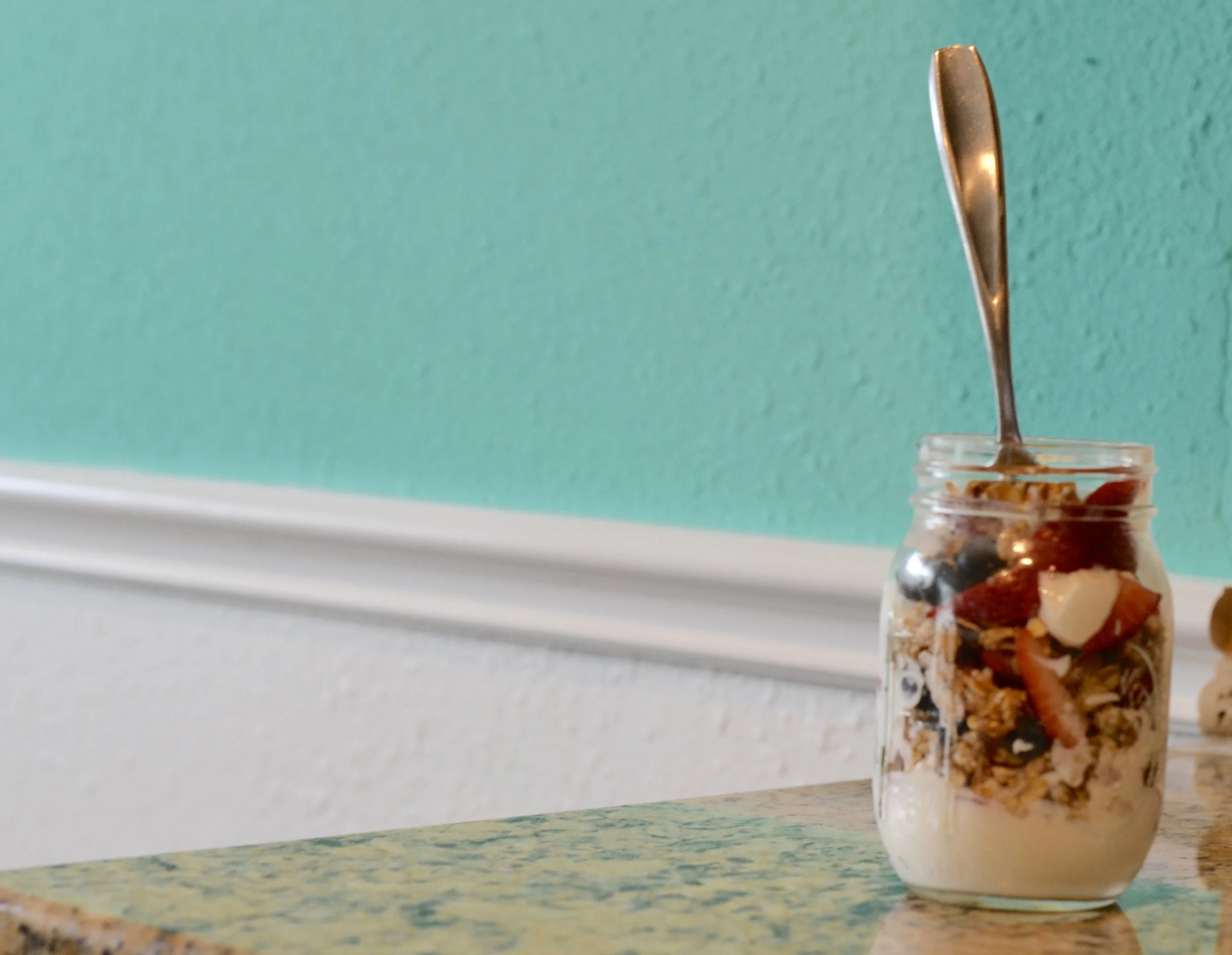
Choose plain Greek yogurt for the highest protein yogurt choice with the lowest sugar content. Buy the big 24 oz tub and separate into small storage containers. While the small pre-packaged cups are more convenient, they are also more expensive and tend to have a lot of added sugars. Flavor plain Greek yogurt with fresh or frozen fruit for a healthy, inexpensive, high-protein snack without the extra sugar. 

I use these cups to portion out my servings. (click on the image for an affiliate link.)


10. Cottage Cheese

Cottage cheese is a fantastic low cost, high protein choice. Buy the big tub and portion out the servings. If you don't think you like cottage cheese, try adding a bit of canned pineapples (packaged in water or juice, not syrup) for a delicious snack or side dish. Cottage cheese is delicious with frozen berries or fruits. 

MORE STRATEGIES TO SAVE MONEY

DRINK WATER

Water is the healthiest drink choice and it is virtually free. You can flavor water with cucumbers, lemons, fruit or berries. Here are some ideas for additional strategies to drink more water in your day.

WASH/CHOP YOUR OWN VEGGIES

Generally speaking, the more convenient it is, the more expensive it will be. You can buy pre-washed, pre-chopped salad greens and spinach, which is great if you have the money, but it is less expensive to buy spinach leaves and wash and chop it yourself. Here are 10 easy ways to eat more veggies.

AVOID WASTE

Avoid waste by storing veggies in air tight containers in your refrigerator.

Freeze bananas when they start to turn brown and use the frozen bananas in smoothies or as toppings on your yogurt and cottage cheese.

A lot of times waste happens because we have big plans to meal prep and we make all these healthy meals but when the time comes to eat them, we'd rather just order a pizza. (What? Just me? I didn't think so.) Make sure you are prepping meals you actually want to eat. If you meal prep six chicken breasts and six sides of steamed veggies, most people won't have the will-power to eat that all week long for months on end. It's just too boring. 

It's OK to enjoy your food. Really! Mix up flavors/seasoning so you are not eating the same thing every day. Cook and prepare six chicken breasts, but prepare two with salsa, Mexican style, another two with red sauce, Italian style and the last two mixed up in a big garden salad...Um, Lea style! Keep it interesting so when it comes time to eat the meal you worked so hard to prep, that you actually want to eat it and it doesn't get thrown away. 

BUY IN BULK

Buy non-perishables in bulk. Buy meat in bulk and freeze. I buy nuts and seeds in bulk (I know they won't go to waste). Sometimes joining a CSA (community supported agriculture) to share the cost of high quality produce with your neighbors can be less expensive than buying from a store. Research the cost locally as it varies by location. 

EAT AT HOME

It's usually less expensive to prepare your meals at home than it is to eat out at a restaurant. Even if you make healthy choices at a food establishment, a home cooked meal will almost always be healthier, less-expensive and less-calorie dense. You can save a lot of money by limiting restaurant meals to an occasional treat, rather than a regular habit. Some people say they can't afford to buy healthy groceries but eat out at restaurants several times a week. It's about priorities. If healthy eating is important to you, you can find a way that works within your budget. 

Did I give you any ideas? Did I miss any big ideas? How do you save money on groceries and healthy eating? Are you going to try any of my suggestions? Let me know how it goes. Need more help? I still have room in my online healthy habits nutrition program. Learn to build healthy habits and maximize your nutrition from the ground up. Ignore all the latest food fads and learn how to lose weight and feel great the sane and sustainable way, once and for all.

Still have questions? I'd love to help!

Lea signature.jpg

Coach Lea


Like this post? It helps me a lot when you share with your friends and followers. 

PR-MAKER WINTER RUNNING SUPPORT GROUP

Do you sometimes feel like you need a support group? 

“Hi, my name is Lea Genders and I am a run-oholic.”
— Lea Genders Fitness

No, not that kind of support group. I was thinking more like a support group of like-minded people who can help motivate you, encourage you and push you to the next level. They say we are the average of the five people we spend the most time with. If you want to improve your sport and improve your life then you need to be intentional with the people you surround yourself with. 

My husband is a huge supporter of my running, my fitness, by blog and my business. He helps push me out of my comfort zone. I'm not sure i'd be able to get out of bed at 5:30 in the morning if he wasn't there supporting me (um, I mean flicking on all the lights and pulling the covers off). 

What do you do if the people in your life don't have the same interests and goals as you do? All hope is not lost. The internet is a wonderful place where like-minded people come together over similar interests. Are you an accordion player who loves knitting and has a pet squirrel? There's an internet group for that. Well...probably.  

Are you a runner looking for a group of friends who are into chasing their goals, getting stronger, healthier and improving their sport? Then look no further, I created the PR-maker winter running support group for people just like you and me because spring PRs are built in the winter. 

PR-MAKER WINTER RUNNING SUPPORT GROUP

PR-MAKER WINTER RUNNING SUPPORT GROUP

We are just getting started and the group is small and connected. I'd love for you to join us and help get it off the ground as a supportive and engaging group. We need you to make it work. You can post pictures from your workouts, ask questions and help support the other people in the group, because unless today is your first day of running (if it is, then welcome to the club) there is likely someone who can benefit from your help and we can all learn from others. 

We only have a couple of rules. 1. Every runner (or wannabe runner) is welcome. 2. Be nice and supportive. 3. No selling or spamming 4. No politics or religion please. 5. Keep negative comments out of the group. 6. You may share running and fitness-related blog posts with admin approval first. 

Are you in? Join the Facebook group and join in on the fun! I hope to see you there. Come on over and introduce yourself. I can't wait to meet you. 

Like this post? Know any runners who would be interested in the PR-maker winter running support group? It helps me when you share with your friends and followers. 

Lea signature.jpg


Learn to Run Hills to Build Strength & Speed

If you have been running for awhile and ready to take it to the next level, incorporating hill running into your training plan you can help you break through running plateaus to get faster and stronger. 

Hill running recruits more muscle fibers, helps improve speed, builds runner-specific strength and power and can be easier on the joints that flat road running. 

I recommend hill repeats for beginner and intermediate runners who have established a solid running base of at least three times a week for six weeks. 

Add in hill repeats into your training schedule one day a week to start, after four to six weeks of hill training, you may be ready to add in a second day of hills. I recommend 24-48 hours of rest after hard workouts. 

HILL REPEATS

The best way to incorporate hill running into your training is to find a hill outdoors and run repeats. Sometimes the instructions I see online for running hill repeats look too technical and confusing. They sometimes will tell you to find s 7-10% grade hill and run at a 10K pace. Let me help you simplify it.

Find a low traffic hill that looks relatively steep to the eye, one that takes approximately one minute to run from the bottom to the top. 

Always warm up before intense workouts. 

RUNNING FORM FOR HILL TRAINING

Running hills can help promote a more economical running form. 

1. Imagine that there is a rope tied to your waist pulling you towards the top of the hill. 

2. Keep your chest up with your shoulders back and down.

3.  Keep your neck neutral with your eyes looking forward, not at the ground.

4. Keep your hands loose. Imagine holding a potato chip between your thumb and pointer finger if you have a tendency to clench your fists.

5. Keep your jaw loose. 

6. Pump your arms at a 90-degree angle and do not allow them to cross over the front of your body.

7. Keep your elbows close to your body, do not allow them to flare out to the sides. 

RUNNING PACE FOR HILL TRAINING

When running hills start at the bottom at a relaxed pace and gradually increase speed as you approach the crest of the hill. If you are new to running hills then it may be enough to simply jog up the hill, you will notice an increase in intensity as compared to running on flat roads. You can work to increase the pace as you improve and get stronger.

RECOVERY BETWEEN REPS

Recover fully between reps, this may mean to jog or walk back down the hill to allow your heart rate to return to normal before you start your next hill repetition. It may take you one minute to reach the top of the hill and two and a half minutes to walk back down to the bottom.

REPETITIONS

Start with three to five repetitions and increase over time as you adapt to your training. 

PROGRESSION

It's important to think about how you can progress your training when you're ready. Your body adapts to the workouts you do, so what once felt difficult can start to feel easy and become less effective over time. Once you are running hills on a regular basis, think how you can progress your training to the next level every four to six weeks. A few ways you can progress hill training:

1. Increase the number of repeats. If you were running three repetitions, try to run five or six repeats, build up to 10 overtime.

2. Increase the speed of each repetition. Try to beat your time from the bottom to the top of the hill. Never attempt to increase both numbers of repetitions and speed in the same workout. Increase one at a time to help reduce the chance of injury.

3. Reduce rest time between repetitions. If you were walking between reps, try a slow jog. 

4. Find a steeper or long hill to run.

5. Increase the number of days of hills repeats in your training schedule. Start with one day and progress to two days after four to six weeks. 

As you get stronger look for ways to keep challenging yourself or you could hit a plateau in your training. It is important not to push progression beyond your current fitness levels to avoid the risk of injury, overtraining, and burnout. For best results, start slow and progress over time, changing variables every four to six weeks.

RECOVERY

Listen to your body and always allow proper recovery between workouts. Your body adapts (grows stronger and faster) during the rest period after the workout, not during the workout itself. If you don't allow proper time for recovery between workouts, you will not see the full benefit of your hard work. I recommend 24 to 48 hours of rest or easy days after hard workouts. Always allow at least one full rest day a week and listen to your body, take more if you need it. Sleep is also an important component to recovery. Aim for 7-8 hours of sleep per night for best recovery and performance benefits. 

Are you ready to tackle those hills? It's the workout that runners love to hate, but is so effective in taking your running performance to the next level. Need more help?

Like this post? It helps me when you share with your friends and followers. 

Lea signature.jpg

FIVE THOUGHT PATTERNS THAT SABOTAGE YOUR FAT LOSS EFFORTS

As we begin a new year many people make resolutions to change or improve their lives. While I teach that you don't have to wait for a new year, a new week or even a new day to start to make changes, it is the new year, so there is no time like to present to get after it. 

New year resolutions are often about the new actions we will take or the bad habits we will give up, but perhaps the most important factor we can work on is our mindset. Sometimes it's our own thoughts that hold us back from achieving our goals. We just have to learn to get out of our own way. 

Even with best intentions, we sometimes let our thoughts dictate our behavior and some thoughts can sabotage our fat loss efforts. Do you fall into any of these mind traps? I know I have.

thoughts that sabotage fat loss

FIVE THOUGHT PATTERNS THAT SABOTAGE YOUR FAT LOSS EFFORTS 

ALL-OR-NOTHING

All or nothing thinking is when you are either on your diet or off. There is no middle ground. You either only eat skinless grilled chicken breast and kale or you only eat cheeseburgers, double fries and dessert. It's like that old poem.

“When she was good, she was very good indeed, But when she was bad she was horrid”
— Henry Wadsworth Longfellow

People who subscribe to all or nothing thinking tend to have drastic weight fluctuations. They can only stay "on the wagon" for so long until that wagon crashes and burns. A better strategy is to make food choices on a continuum. This means that most of the time you give your best effort to eat healthful foods, but when faced with a food option that is less-than-healthy, you simply consider, "How can I make this choice a little bit better?" Maybe you eat your burger without the bun, maybe you replace those fries with a small salad or offer to share with a friend. When we stop striving for nutritional perfection and just be mindful of our choices and attempt to make them just a little bit better, everything changes. You can enjoy the foods you love in moderation, without guilt or shame. Healthy eating isn't about perfection but rather about making the best choice of what's reasonable in the moment.

BARGAINING

Bargaining is when you tell yourself if you eat this salad for lunch on Tuesday you can eat anything you want on Saturday. Bargaining can hurt more than it helps. To deprive yourself only to overindulge later defeats the purpose. You are the boss of you. You don't have to negotiate with yourself for anything. You make the choices and live with the consequences. You don't need to give yourself permission to eat something less-than-healthy by paying for it later with a protein smoothie.

We eat according to our priorities. Maybe most of the time it is our priority to eat healthfully, but there are times it is our priority to celebrate with loved ones over food and drinks...and that's OK. Bonding with people is a huge part of healthy lifestyle. You don't have to bargain with yourself for cheesecake. If you want it, eat it slowly, savor it and enjoy it and then move on to your next healthy meal. 

START OVER MONDAY

CALENDAR-2.png

When you tell yourself you will start over on Monday, or the first of the month, or the new year, you sabotage the time leading up to your fresh start. Why not just start now, or at your next meal? There is no pause button on a healthy lifestyle. A healthy lifestyle is how you live every single day. You don't have to be perfect, you just have to be mindful of your choices. When you tell yourself you can start over at some future date, you sabotage the days you are in. It doesn't mean you can't enjoy an indulgence. You never have to start over if you are always mindful of your choices, both good and bad.

PUNISHMENT/REWARD

Exercise is not a punishment for food. You don't have to pay penance for your pizza with burpees. Food is not a reward for exercise. You can reward yourself in other ways, how about a massage or new workout gear? Let's shift our mindset to exercising because it makes us feel great and eating foods that make us feel great, rather than a punishment/reward cycle. If we view exercise as punishment it makes it harder to stick to it over the long term. If unhealthy food is our only reward for hard work, we may sabotage our results. 

EASY BUTTON

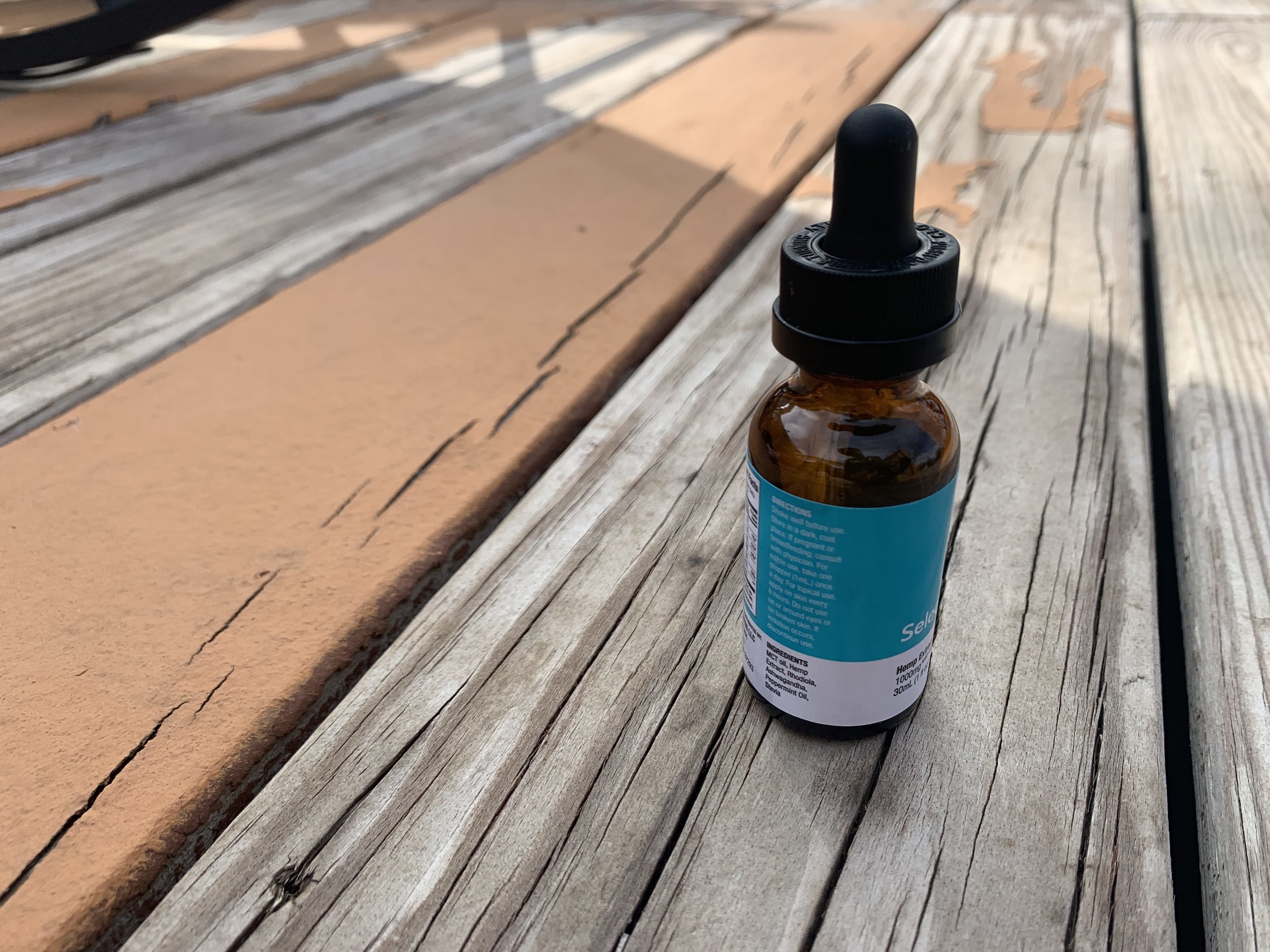
As humans, we tend to look for the easy way out, the hack, the one neat trick that will solve all our problems, but healthy living isn't in a pill, shake or cleanse. When we shift our focus to supplements and fitness hacks, we get further away from actually achieving our goals. Precision Nutrition calls it "Mowing the lawn while your house is on fire." It's a great metaphor because yeah, maybe the grass needs to be cut, but if your house is on fire, you have more pressing concerns. Before you spend any time, energy or money on supplements or quick fixes, make sure your house isn't burning down. Are you covering the basics? Do you eat whole foods from nature most of the time? Do you move your body in a way you enjoy on a daily basis? Are you getting 7-8 hours of sleep each night? Are you managing stress? Most supplements and hacks only give you an edge when you're already doing everything else right, otherwise they're generally a waste of time. Focus on the basics. Get really good at healthy habits. 

I've done all of these and like most people, I am work in progress too. Having a healthy mindset is the first step in a healthy lifestyle. Once your mind is right, everything else falls into place. 

Do you like the way I think? Need help with your nutrition? I still have an opening in my nutrition habits coaching. Try the first month at 75% off. Kick off 2018 with healthy habits coaching, the sane and sustainable way to lasting weight loss. 

Like this post? Consider sharing with your friends and followers. 

Lea signature.jpg


Winter Has Come: 10 Tips to Survive & Thrive in the Winter Running Season

I'm sorry for yet another Game of Thrones reference. Really, I am, but Winter Has Come! I may live in the south now but as you know...the North Remembers. I am from Pennsylvania so I have plenty of experience beyond the wall (OK, I'll stop now). While it doesn't snow as much in Fort Worth, TX as it did in Pennsylvania, it still gets considerably cold here and we all have to take precautions to run safely during this season...you know, now that winter has come.

If you want to maintain your endurance fitness through the winter months or if you are training for a spring marathon you either have to embrace the treadmill or learn to survive and thrive while running outdoors in the winter. 

This post contains affiliate links. That means if you click on a link in the post and make a purchase I make a small percentage of the sale with no additional cost to you. No one is getting rich here, it just helps with the running (pun intended) of this blog. Thanks, as always, for your support. 

survive and thrive winter running.png

RUN WITH A PARTNER

While it's a good idea to run with a partner any season of the year, it can be especially helpful in the winter months when it is dark outside. Not only is there safety in numbers, it helps with running motivation when you have a partner to join in on the fun. Yes, this is supposed to be fun. If you don't know anyone that's crazy enough to want to run when it's cold and dark, consider joining a running, training group or even an online support group to find other weirdos, just like you (and me). 

WEAR REFLECTIVE GEAR AND/OR LIGHTS AT NIGHT

The days are shorter so running is the dark may be the norm this time of year. Wear reflective gear but I suggest you take this one step farther and run with a light at night. You can never be too safe. I like these knuckle lights, they are bright and they strap right to your hands. 


LEAVE YOUR HEADPHONES AT HOME

It's important that you can hear your surroundings, especially when it is dark outside and you may not be able to see as clearly as usual. You'll want to hear if someone or something is approaching your personal space. Keep your ears open for signs of cars, dogs and possible predators, Justin Timberlake can wait until your next treadmill run. 

ALWAYS CARRY YOUR PHONE

Always carry your phone. You never know when you may need to call for help (or a ride home when you get lost. What? Just me?). Wear a running belt to carry your phone and small belongings. I like the FlipBelt.

It happens.

It happens.

VARY YOUR ROUTE

It's easy to fall into a regular routine but when the run the same route at the same time every day, you could become a potential target. Challenge yourself to run a different route every day. Change the time of day that you run, or even by just 30 minutes to an hour. Be unpredictable.

CARRY ID

Carry your ID with you in case something happens or if you need to stop for a beer (wink). I have a Road ID on my running shoes in case I get separated from my belongings. I also really like the Road ID free app. Your friends and family can track you while you're out on your run and it will send notifications if you stop moving for more than five minutes. It's another layer of peace of mind for you and your loved ones and it may motivate you not to stop for a break at the donut shop.


BUNDLE UP/DRESS IN LAYERS

Cover exposed skin and dress in layers. The rule of thumb is to dress as if it's 15-20 degrees warmer than the outdoor temperature because you'll warm up as you start running. Wear synthetic (aka non cotton) clothes and socks. Cotton absorbs water and sweat and synthetic material pulls it away. It will help you stay dry and avoid chafing and blisters. Friends don't let running friends wear cotton. 

I love these gloves from Trailheads. The mittens flip back and tuck into the back of the glove for when you get too warm during your run. I'd show you a picture of mine, but they are covered in snot and spit (gross). These are by-far my favorite running gloves for cold weather.


WARM UP INDOORS

When it's cold outside, do your warm up inside to get the blood flowing, loosen up tight muscles and joints. I recommend a dynamic warm up like this one indoors before you hit the road. 

BUILD MENTAL TOUGHNESS

Use it or lose it. Flex your mental toughness muscle. If we only run in perfect conditions we won't have a lot of opportunities to run. Besides, once you get out there it is not usually as bad as you built it up in your mind. You can do hard things. Every chance you get to prove to yourself that you can, you grow a little stronger

USE COMMON SENSE

My husband likes to say that common sense is wildly uncommon, but use common sense when running outdoors in the winter. If there is extreme weather take your run indoors or take the day off. Don't risk your safety or health for a run. 

It can be a little harder to get motivated to run when it's cold and dark outside, but with a little planning and an extra layer of mental toughness we can get out there and survive and thrive this winter running season. 

Like this post? Consider sharing with your friends and family.

Lea signature.jpg