WORKOUTS

How to Transition from Running/Walking Intervals to Running

Welcome the latest edition of Workout Wednesday! This week we are talking about how to transition from running/walking intervals to running without walk breaks.

When you first start running it is very common to use run/walk intervals in order to adapt to running. There is absolutely no shame in walking. A lot of people are very successful running full and half marathons on a run/walk program with very impressive finishing times. If you are happy with your run/walk plan and you're continuing to progress, there is no reason to change your program. However if you're interested in transiting from run/walk intervals to running without walk breaks, I may be able to help you with the plan that worked for me when I first started running.

Most people start in the same place, it is very common be short of breath when you first start running. You have to stick with it through that hard beginning part in order to become a stronger runner. It does get easier, I promise. 

Once you have been performing run/walk intervals for a few months, you may be ready to train to run without walk breaks. I suggest that you have a solid running base before starting this program. You should be running (with walk breaks) several days a week for at least four weeks. Follow the below plan two to three days a week with full rest days in between training days to allow for proper recovery.

HOW TO TRANSITION FROM RUNNING/WALKING INTERVALS TO RUNNING WITHOUT WALK BREAKS

The key to train to run without walk breaks is to first start by taking walk breaks. Hear me out. If you stick with the program you will progress to running without walk breaks.

Walk for a few minutes to warm up. Try some dynamic stretching and/or foaming rolling to warm up before you get started.

Start running at a very slow pace. Go even slower than you think you can maintain. It's better to go too slow than too fast at this point. We can work on speed later, for now we are working on endurance. A slow pace is key.

Run until you feel like you just can't run for one more second, then try to count out 50 more steps. This may help you push past any mental barriers. When your mind says no more, see if your body has 50 more steps. It is important to be sure that you are listening to your body and not your mind. Is your mind telling you can't go on? Or is it your body? Sometimes your mind will tell you to stop, but think about it first. Can I breathe? Are my legs OK? How do I feel physically? If it is just your mind, keep going. Your thoughts can lie, especially when you are trying new things.

Once you are sure it is your body and not your mind slow to a brisk walk. Now here's the key to the whole plan: Only walk as long as you need to in order to recover your breath. It is really important to be honest with yourself and start running again as soon as you are able. When your breathing returns to almost normal It is time to start running again, don't walk for one second longer than necessary.  

Repeat the running cycle. Run as long as you can. When you think you need to stop, try to count out 50 more steps. You are probably feeling uncomfortable, but as long as you aren't feeling any physical pain, push yourself to keep running for just a little bit longer. When you are sure it is your body and not your mind, it is time to walk briskly again to recover.

Start the run cycle again. 

The idea is that you run for as long as you physically can, then walk only as much as necessary. If you continue this cycle, while being completely honest with yourself, over time your run intervals will become longer and your walk intervals will become shorter, until there are no walk intervals at all.

This process can take between four to ten weeks depending on your starting fitness level and dedication to the program. Remember that no matter what you are trying to achieve, consistency with your training is the single best path to success.

I can clearly remember the great feeling the first time I realized that I didn't need to stop for a walk interval, that I could keep running. Don't listen to your mind, listen to your body.

This same technique can be used to improve your running pace. Just replace the walk intervals with slower run internals. Run fast, then run slower to recover until you don't have to run slower anymore at all.

When you set out to run these intervals run according to time and not distance. For example, make a plan to run for 30 minutes, not three miles. You'll find that over time you will be able to cover the distance in less time. 

Give it a try and let me know how it goes.

Like this post? Please consider sharing!

Try This 12 Days of Christmas Carol Workout

Welcome to the latest edition of Workout Wednesday! Happy Holidays, Friends. Many of us living in the US are off work for the Thanksgiving day holiday so I thought I would put together a festive workout that you can try over the holiday weekend.

This workout follows along to the classic Christmas carol, 12 Days of Christmas. You will perform the exercises in the same order as the song. For example, on the first day of Christmas my trainer gave to me a 30 second plank hold. You would perform the plank. On the 2nd day of Christmas my trainer sent to me two jumping squats and a 30 second plank hold. You would perform both of those exercises. On the third day of Christmas my trainer sent to me three burpees, two jumping squats and a 30 second plank hold. You will build the exercises until you are doing all 12 exercises. This is a challenging one, folks! Rest between verses if needed. Go at your own pace, stay safe and let me know how it goes.

The 12 Days of Christmas Carol Workout 


On the first day of Christmas
my trainer sent to me:
A 30 second plank hold

On the second day of Christmas
my trainer sent to me:
Two Jumping Squats
and a 30 second plank hold

On the third day of Christmas
my trainer sent to me:
Three Burpees
Two Jumping Squats
and a 30 second plank hold

On the fourth day of Christmas
my trainer sent to me:
Four Squat to press
Three Burpees
Two Jumping Squats
and a 30 second plank hold

On the fifth day of Christmas
my trainer sent to me:
Five Russian Twists
Four Squat to press
Three Burpees
Two Jumping Squats
and a 30 second plank hold

On the sixth day of Christmas
my trainer sent to me:
Six Donkey Kickbacks
Five Russian Twists
Four Squat to press
Three Burpees
Two Jumping Squats
and a 30 second plank hold

On the seventh day of Christmas
my trainer sent to me:
Seven Walking Lunges
Six Donkey Kickbacks
Five Russian Twists
Four Squat to Press
Three Burpees
Two Jumping Squats
and a 30 second plank hold

On the eighth day of Christmas
my trainer sent to me:
Eight Wide arm push ups
Seven Walking Lunges
Six Donkey Kickbacks
Five Russian Twists
Four Squat to press
Three Burpees
Two Jumping Squats
and a 30 second plank hold

On the ninth day of Christmas
my trainer sent to me:
Nine Curtsy Lunges
Eight Wide arm push ups
Seven Walking Lunges
Six Donkey Kickbacks
Five Russian twists
Four Squat to press
Three Burpees
Two Jumping Squats
and a 30 second plank hold

On the tenth day of Christmas
my trainer sent to me:
Ten Side Lunge Wipers
Nine Curtsy Lunges
Eight Wide arm push ups
Seven Walking Lunges
Six Donkey Kickbacks
Five Russian Twists
Four Squat to press
Three Burpees
Two Jumping Squats
and a 30 second plank hold

On the eleventh day of Christmas
my trainer sent to me:
Eleven Mountain Climbers
Ten Side Lunge Wipers
Nine Curtsy Lunges
Eight Wide arm push ups
Seven Walking LUnges
Six Donkey Kickbacks
Five Russian Twists
Four Squat to press
Three Burpees
Two Jumping Squats
and a 30 second plank hold

On the twelfth day of Christmas
my trainer sent to me:
12 Standing Crunches
Eleven Mountain Climbers
Ten Side Lunge wipers
Nine Curtsy Lunges
Eight Wide Arm Push ups
Seven Walking Lunges
Six Donkey Kickbacks
Fiiiiiiiiiiiiiiive Russian Twists
Four Squat to Press
Three Burpees
Two Jumping Squats
and a 30 second plank hold

Tell me, were you singing Fiiiiivvvveeeeeee Russian Twists, like I was? 

THE EXERCISES

A 30 SECOND PLANK HOLD

A 30 SECOND PLANK HOLD

Two Jumping Squats

Two Jumping Squats

Three Burpees

Three Burpees

Four Squat to Press

Four Squat to Press

Five Russian Twists

Five Russian Twists

Six Donkey Kickbacks

Six Donkey Kickbacks

Seven walking lunges

Seven walking lunges

Eight wide arm push ups

Eight wide arm push ups

Nine Curtsy Lunges

Nine Curtsy Lunges

Ten Side Lunge Wipers

Ten Side Lunge Wipers

Eleven Mountain Climbers

Eleven Mountain Climbers

Twelve Standing Crunches

Twelve Standing Crunches

Wishing you all a happy healthy active holiday season. 

Like this post? It helps me when you save my graphics to Pinterest or share on Twitter.

Coach Lea

I am a NASM personal trainer and RRCA adult distance running coach that specializes in strength training for runners. I offer in-person training in the Shredshed, online training and Fit to Run bootcamps. If you are interested in a more in-depth running or strength training plan, please contact me. Have questions? I'd love to help. 

While I am a certified personal trainer, I am not your personal trainer. Since I don't know your exercise abilities, injury background or medical history, please see your doctor before beginning any new exercise program. This is an opinion blog. No information in this blog is intended to be taken as medical advice or prescription. Please see your doctor and/or registered dietitian for any health concerns.

All I Want for Christmas is a New Running PR

Hi, Friends. Welcome to a very special edition of Workout Wednesday! This year has flown by. I can't believe we are embarking on the holiday season once again. I love the end of the year to think about my goals for the upcoming new year, but also get a head start on achieving my goals. Why wait until January 1st to start working towards your goals?

The end of the year is a fantastic time to evaluate our accomplishments of the last year, to think about what went right and what we can improve on. I have a lot of goals for 2017 (maybe bigger and bolder than ever before in my life, it's both scary and exciting) but I'll use the end of November and December to start ramping up for those goals. 

I challenge you, no matter what your goals are for the new year, start thinking about the steps you can take today and throughout December to help get you there. When January rolls around (in a blink of an eye) you'll be that much closer to reaching your goals. 

Today we are talking about running goals. If you know me at all, you know that I am a huge proponent of strength training for runners. When runners strength train along with their running training, they end up stronger, healthier, faster and less prone to injury. 

I put together this four week strength & running schedule to increase speed. It has all the components of a well-balanced training plan. 

PIN ME TO SAVE FOR LATER!

PIN ME TO SAVE FOR LATER!

Who is this plan for? This plan is intended for anyone who has a solid running base. If you have been running three to four days a week for five to six weeks this plan is for you. If you do not have that base yet, get a solid running base under your belt before starting this plan. 

Running

It goes almost without saying, if you want to be a better runner, you need to run more. Staying consistent with your running schedule is one of the most important things you can do to improve. Before starting this program you should have a solid running base. 

In the plan we have several running days:

EASY RUNS:

An easy run is done at conversational pace. It means what it sounds like, that you should be able to carry on a conversation during your run. If you are a beginner this may mean brisk walking. Easy runs are as important for building endurance and allowing proper recovery after hard workouts. 

INTERVALS/FARTLEKS:

Intervals are running workouts that vary the speed to allow for periods of high intensity work followed by recovery. They can be very effective in improving running economy as long as they are done properly. Always allow recovery days or rest days after hard interval work. Never do interval workouts back to back to allow for proper recovery and avoid potential injury. 

Interval Workout

Interval Workout

Fartlek

HILLS:

Hill training is a staple for running strength. One day a week of hill work can help improve speed and efficiency. 

Hill Training

LONG RUN:

Long run training is on the schedule for anyone training to run farther than a 5K (3.1 miles). A long run builds endurance and should be run 1-2 minutes slower per mile than your 5K pace. Long run distances should be increased by no more than 10% each week for three weeks before backing off the distance on the fourth week. A long run is typically anything more than an hour. If you are not training to run long, you can replace your long run on the schedule with any distance at conversational pace. 

Strength Training

Strength training for runners is so important, but it doesn't have to overtake your running schedule. In fact, if your goal is to be a better, faster runner, running should take priority. However, making time for one to two strength training sessions a week can lead to big improvements in your running. 

CIRCUITS:

The way a bodybuilder or power lifter strength trains is completely different than the way a runner strength trains. We train differently for different goals. We are not trying to pack on muscle, but rather increase strength and work out any muscle imbalances. We do a lot of circuit style, HIIT (High Intensity Interval Training) and Tabata-style strength training. These types of workouts help improve strength and endurance because you move from one exercise to the next with minimal rest. They are quick and effective. No need to spend hours in gym. 

Strength Training Workout

Strength Training Workout

Strength Training Workout

CORE (HIPS/ABS)

I separate core workouts from regular strength training because while you will do core work in your strength circuits, you should place special emphasis on making sure you build hip/ab strength. Remember that your core is not just your abdominals, it is essentially everything under your chest and above your thighs. Core work including hip strength is one of the most important things runners can do to avoid muscle imbalances from running and injury. These exercises are not always the most exciting, but they are essential, which is why I recommend adding them on at the end of an easy run day. 

Core Workout

Core Workout

REST

Arguably one of the most important components of a training plan is rest. Your body adapts to the stresses that you place on it during rest. That means your body repairs, rebuilds, gets stronger and faster during rest, not during the workout. If you don't plan for proper recovery you will never allow your body the time it needs to grow stronger. More is not always better. Rest means taking one to two full rest days a week and getting 7-8 hours of sleep at night. If you don't do these things, you could be sabotaging your results. Put in the work, but allow your body the recovery time it requires. 

Download the four week strength and running schedule PDF with clickable resources to running and strength workouts to improve your 5K time before Christmas!

Download the training schedule below to improve your speed by Christmas

Download the training schedule below to improve your speed by Christmas

Any questions? Let me know in the comments. 

Coach Lea

Like this post? It helps me when you share or save to Pinterest.


I am a NASM personal trainer and RRCA adult distance running coach that specializes in strength training for runners. I offer in-person training in the Shredshed, online training and Fit to Run bootcamps. If you are interested in a more in-depth running or strength training plan, please contact me. Have questions? I'd love to help. 

While I am a certified personal trainer, I am not your personal trainer. Since I don't know your exercise abilities, injury background or medical history, please see your doctor before beginning any new exercise program. This is an opinion blog. No information in this blog is intended to be taken as medical advice or prescription. Please see your doctor and/or registered dietitian for any health concerns.


Treadmill Interval Pyramid + Core Workout

Welcome to the latest edition of Workout Wednesday when each week I share a strength or running workout. This week you are getting the best of both worlds since this is a treadmill interval pyramid workout immediately followed by a core circuit. 

TREADMILL INTERVAL PYRAMID WORKOUT

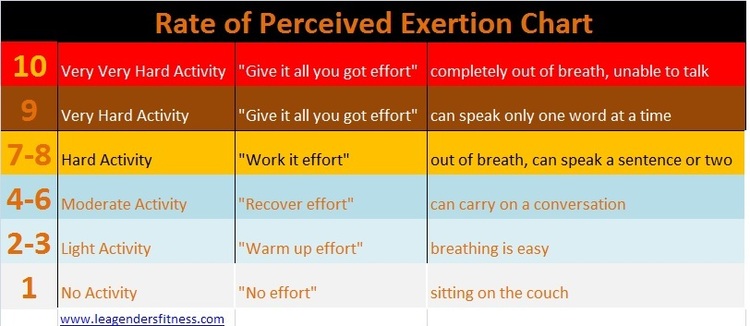
This workout is based on RPE or rate of perceived exertion which is an effective way to self-monitor intensity without a heart rate monitor. On a scale of 1-10, 1 would be no effort and 10 would be so intense that you will be unable to talk at all or hold the pace for more than a few seconds.

To begin this treadmill workout, warm up for five minutes with a brisk walk or a slow jog. This should feel very easy. You will perform each interval for 1/2 of a mile before increasing the intensity to the next level. Once you reach the top of the pyramid of intensity, you will lower the intensity by 1/2 mile at each interval. The thing I like most of RPE and pyramid workouts is that there is always room for improvement. As you progress in your fitness you will find you will be able to run faster at the same RPE level. For example when you first start running a RPE 8 may be 6.0 mph on the treadmill, but as your grow stronger in your fitness 7.0 mph may become your new RPE 8. You work at your own fitness level and there is always room for growth and improvement. 

2-3  RPE - WARM UP - Should feel very easy and comfortable. Stay here for five minutes to warm up.

5 RPE - 1/2 MILE Feels easy and comfortable. Can carry on a full conversation. Stay here for 1/2 mile.

6 RPE - 1/2 MILE Up the intensity, still feels comfortable and can carry on a conversation. Stay here for 1/2 mile.

7 RPE - 1/2 MILE Breathing is labored. Can speak a sentence or two before needing to catch breath. Stay here for a 1/2 mile.

8 RPE - 1/2 MILE Breathing is labored. Can speak a sentence or a few words before needing to catch breath. Stay here for 1/2 mile

7 RPE - 1/2 MILE Moving back down the pyramid decrease the intensity each 1/2 mile

6 RPE - 1/2 MILE Feels easier. Stay here for 1/2 mile

5 RPE - 1/2 MILE As your heart rate come down your breathing should return to normal. 

2-3 RPE COOL DOWN Stay here until your breathing is fully recovered

This treadmill workout is three and a half miles long (not including the warm up and cool down) immediately followed by the core circuit.

THE CORE CIRCUIT

Core workouts are so important for runners. A strong core acts as a stabilizer and can help prevent injuries. When most people think of the core they imagine six-pack abs, but the core consists of all the muscles from below the chest to above the thighs. As a runner it is especially important to perform core workouts, including hips/glutes and abs. This 15 minute circuit at the end of your run will help build core strength and stability.  

HIGH PLANK | 45 SECONDS WORK / 15 SECONDS REST

LOW PLANK | 45 SECONDS WORK / 15 SECONDS REST

SUPERMAN LOW PLANK (KNEES TO ELBOWS) | 45 SECONDS WORK / 15 SECONDS REST

BIRD DOG (RIGHT ARM/LEFT LEG EXTENDED) | 45 SECONDS WORK / IMMEDIATELY MOVE TO OTHER SIDE

BIRD DOG (LEFT ARM/RIGHT LEG EXTENDED) | 45 SECONDS WORK / 15 SECONDS REST

SIDE PLANK (RIGHT) | 45 SECONDS WORK / IMMEDIATELY MOVE TO OTHER SIDE

SIDE PLANK (LEFT) | 45 SECONDS WORK / 15 SECONDS REST

GLUTE BRIDGE | 45 SECONDS WORK / 15 SECONDS REST

REPEAT!

High intensity workouts should always be followed by low intensity days or rest days. Since your body adapts (recovers/grows stronger) during rest it is essential that you allow rest and recovery days between hard workouts. Never do high intensity workouts back to back. 

Give it a try and let me know how you feel! Do you include any core work into your running schedule? Do you have any questions about this workout or RPE? Let me know in the comments. 

Like this post? It helps me when you share or save on Pinterest.


Coach Lea

I am a NASM personal trainer and RRCA adult distance running coach that specializes in strength training for runners. I offer in-person training in the Shredshed, online training and Fit to Run bootcamps. If you are interested in a more in-depth running or strength training plan, please contact me. Have questions? I'd love to help. 

While I am a certified personal trainer, I am not your personal trainer. Since I don't know your exercise abilities, injury background or medical history, please see your doctor before beginning any new exercise program. This is an opinion blog. I am not a medical professional. No information in this blog is intended to be taken as medical advice or prescription. Please see your doctor and/or registered dietitian for any health concerns.

Quick Strength for Runners

Welcome to another edition of Workout Wednesday! Each week I share a new strength training or running workout. This week I put together a quick circuit that includes some of the strength training moves that are beneficial to runners. If you run (no pun intended) through this circuit twice it should take you about 15 minutes. If you think you don't have time to include strength moves in your training schedule, I challenge you to add this circuit to the end of an easy-effort running day when you run 40 minutes or less. 

quick strength for runners

quick strength for runners

SQUAT: 45 SECONDS WORK/15 SECONDS REST

Squats are a great exercise for runners because they help increase the strength needed to run faster on flats, power up hills and lengthen your stride. 

Starting with your feet hip width apart push your hips back and then lower  your body by bending your knees until your thighs are parallel to the floor or as low as your flexibility will allow. In the low position, engage your core, squeeze your glutes and push up to standing Take a deep breath in as your lower to the squat and breath out as you explode up to standing. Repeat for 45 seconds before resting for 15 seconds, then moving on to the next exercise.

PLANK ROW: 30 SECONDS RIGHT SIDE. 30 SECONDS LEFT SIDE/15 SECONDS REST

Core strength for runners is very important. Strengthening the muscles that make up your abs, hips/glutes, lower back and pelvis are critical to helping you become a stronger, faster, less injury-prone runner.

Start in a high straight arm plank position with your wrists directly under your shoulders and your legs wider than hip width for stability. Keep your body in a straight line from your shoulders to ankles while engaging your core. Do not allow your hips to hike up or sag down.

With your core tight and your glutes engaged lift your right elbow to row as you bend your elbow up toward the ceiling. 

LUNGE WITH TWIST: 45 SECONDS RIGHT, 45 SECONDS LEFT/15 SECONDS REST

The lunge is a great exercise for strengthening glutes, hamstrings and quads. We add a twist because runners move in only one plane of motion (Sagittal plane: front to back) so it is necessary to gain strength in the other planes of motion. 

With your feet hip width apart and your toes pointed straight ahead, hold your core stable with your back straight Take one large step to lunge forward until your front knee is lined up over your ankle and your back knee is nearly touching the floor. Do not allow your knee to go past your toes. Once you are in the lunge position, twist your torso in the same direction as your front leg. Push back up to standing and change legs. Repeat for 45 seconds then switch legs.

SIDE PLANK: 30 SECONDS RIGHT, 30 SECONDS LEFT/15 SECONDS REST

Move into a side plank position stacking your shoulder, elbow and wrist in a straight line. If this feels good, reach your arm to the ceiling. Hold for 30 seconds then switch sides.

SINGLE DEAD DEADLIFT: 45 SECONDS RIGHT, 45 SECONDS LEFT/15 SECONDS REST

When you run you are essentially balancing on one leg at time repeatedly for the duration of your run. If you perform exercises unilaterally (one side at a time) it will help reduce muscle imbalances, improve core strength & stability and increase runner-specific strength. The single leg deadlift is an ideal exercise for runners.

Standing on one leg, keep your knee slightly bent and perform a deadlift by bending at your hip while keeping your back straight and neck neutral. Extend your free leg behind you in line with your body. Lower until your back is parallel to the floor. With your back straight return to the upright position. Repeat for 45 seconds then switch legs. 

BRIDGE WITH OVERHEAD LIFT: 45 SECONDS WORK/15 SECONDS REST

The hips and glutes generate the power to propel you forward during your stride. This exercise is fantastic for building hip/glute strength for runners. 

Lie on your back with your knees bent and your feet flat on the floor. Reach your arms over your head towards the ceiling while raising your hips off the floor so that your body forms a straight line from your shoulders to your knees. Pause at the top then slowly lower your hips back to the floor. Repeat for 45 seconds. Rest for one minute and repeat the circuit.

Give it a try and let me know how it goes!

Like this post? It helps me a lot when you share with your friends or followers. 


Coach Lea