It's Flashback Friday, and each week I dig in the blog archives and share a post that you may have missed the first time around because after more than five years, surely there is a post you missed along the way. As we enter into a new year and a new decade, many people are setting lofty new year resolutions!
When I think about the typical resolutions that runners may make, such as to race a new distance, to increase speed, to get up earlier to work out, to start strength training, to eat healthier, or lose fat, I realized I have a blog post that can help you achieve those goals.
As you consider your new year resolutions and begin to put together your action plans for success, may I make some recommendations with these blog posts that can help you reach all your running goals?
RUNNERS RESOLUTIONS
START STRENGTH TRAINING
SET GOALS YOU CAN ACHIEVE
A FASTER 5K
GET UP EARLY TO WORK OUT
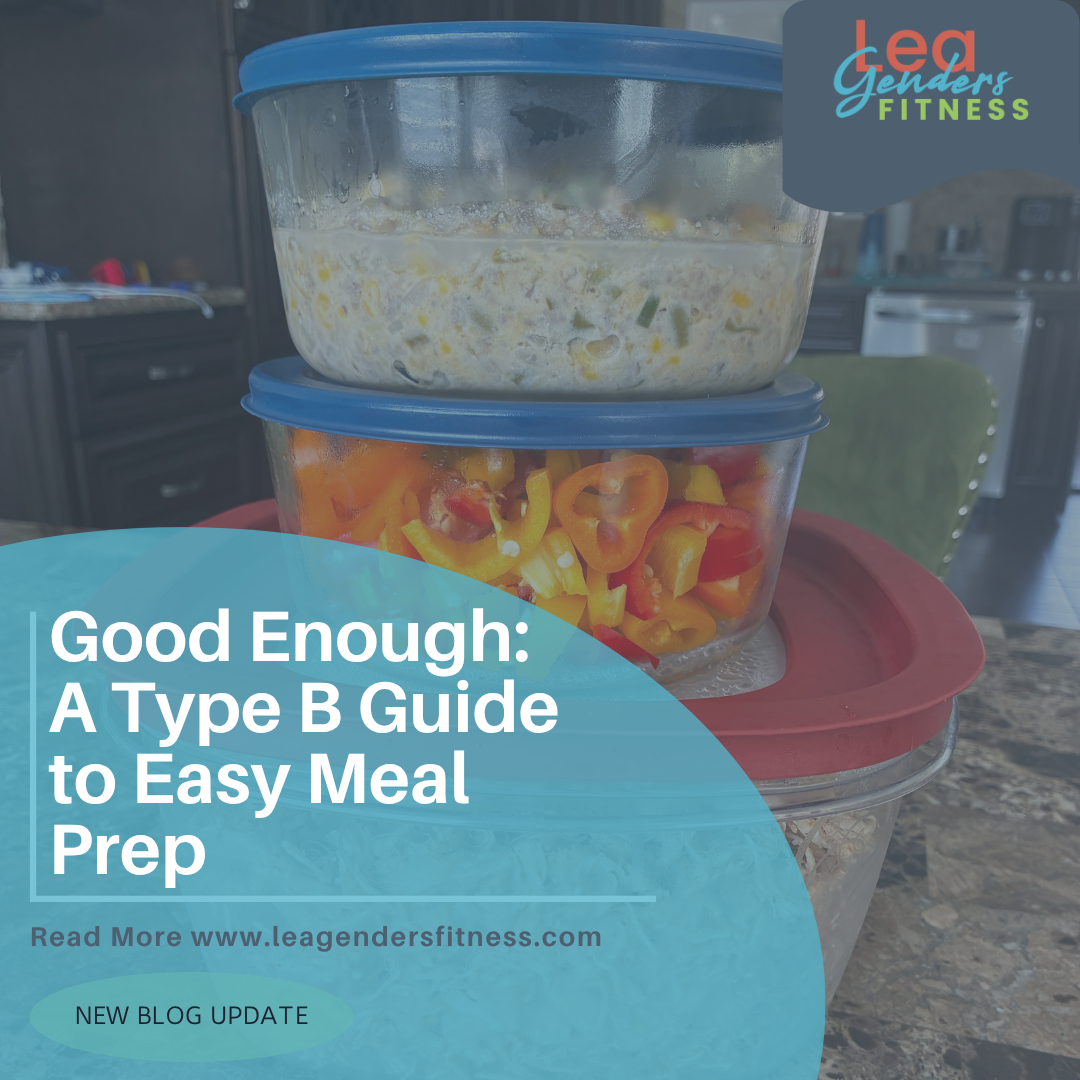
START MEAL PREPPING TO EAT HEALTHIER
REDUCE SCREEN TIME
MAKE NUTRITIONAL CHANGES TO EAT HEALTHIER
RUN A HALF MARATHON
LOSE FAT
RUN A 5K
This 30-day strength training for runners challenge is meant to help you develop the habit of performing daily low-intensity strength exercises to improve your running performance and longevity in the sport. Are you up for the challenge?
Follow along with the framework that I use with my running coaching clients to set running goals that you can achieve in 2020. Reflection, goal setting, problem-solving, planning, and executing are essential elements to reach any goal or new year resolution.
Learn the strategies to improve your 5K running time with these five ways to a faster 5K finish.
The best time to workout is the time you can stay most consistent. For some people that time is in the early mornings. Learn about my quest to get up early to workout with helpful tips to wake up early to exercise when you’ve tried before and failed.
Meal prep doesn’t have to be complicated. Learn how to prep healthy meals in three categories: Easy, Easier, and Easiest. Even the most cooking inept can find meal prep solutions.
Do you need a digital intervention? Too much screen time can lead to health problems, poor relationships, and diminished focus. In this blog post I suggest ten ways to decrease your screen time for a healthier balance. Don’t worry, I won’t take away your run selfies or Instagram meals.
We know how to live healthier, we just don’t always do it. Take my healthy lifestyle quiz and see how you score, then learn how to begin to bridge the gap between knowing and doing.
Strength training isn’t cross training, it’s as important to your run training programing as the long run and intervals. Not sure where to start? Incorporate these five strength training moves into your next workout to build the runner-specific strength that will help you improve your run.
If you can run a 10K and have been consistently running for last six weeks, you’re ready to start training for a half marathon in eight weeks. Follow these exact steps to build your half marathon training schedule like a running coach, or download my free half marathon training plan for free.
I spent a decade yo-yo dieting, then four years ago lost the weight once and for all. During my journey I learned there are certain fundamentals of permanent fat loss. Before you spend another dollar on a program, a diet book, exercise equipment or supplements, make sure have the basics covered first. You may have to act and think differently than in the past to get better results in the future.
RUN COACHING TO REACH YOUR GOALS
Do you need a coach to help you reach your specific goals? A coach can provide a clear road map to reach your goal, accountability, fill in gaps of knowledge, minimize the learning curve, help to overcome obstacles and give objective feedback so that you can reach new levels.
I am opening up a few more spots in my online run coaching. Coaching is for runners looking to improve with a structured training plan built specifically for you and your abilities, runner-specific strength training to run stronger, and nutrition habits help you to get most out of your training.
You must be willing to:
Put in the work. Coaching doesn't work unless you do.
Accept and apply feedback to your training.
Have an open mind and be prepared to try new things.
Communicate how you're feeling throughout the process. Coaching is a collaborative process; I don't know how you are feeling or what you think unless you tell me.
Make healthy changes to your lifestyle, including sleep, nutrition to get the most out of your training.
My coaching is not for you if:
Need a drill sergeant to motivate you; this is not my coaching style.
If you are an advanced runner looking to qualify for Boston, run an ultra-marathon, or aiming for a significant PR on your full marathon.
You are not willing to change the way you currently train.
I am most effective with runners who want to achieve their first or fastest 5K, 10K, or half marathon. If this sounds like you, I'd love to hear from you! How can I help you reach your goals?
Start here for an online assessment to see if we will be a good fit.
Let's make the most of the new year together! Even if coaching is not for you, I love sharing running tips, runner-specific strength training, and nutrition habits on the blog, so thank you for following along.
Happy new year! Wishing you all health and happiness as you pursue your fitness goals.
Did you like this post? Do you know someone who might benefit? It helps me when you share with your friends and followers on Facebook, Twitter or Pinterest.
Questions? I’d love to help.

Much of what we experience as suffering is just the story we tell ourselves about a situation. Recently, this simple shift in perspective gave me the clarity to finally make a massive decision I have been putting off for years. It is time for a major update.
You put in the work at the gym, but what about the other twenty-three hours of your day?
Workouts are a great start, but true well-being is woven into your whole life: through your sleep, recovery, stress management, and micro-movements. These small, one to five-minute actions, like taking a mindful breathing break or choosing the stairs, are not just for beginners; they are essential for optimizing the results of your hard work.
Discover simple, intentional micro habits in movement, focus, nutrition, and recovery that enhance your health all day long, ensuring your body and mind are working effectively, not just during your workout, but every single day.
We often hear about the need for a "holiday survival kit," but just using the word survival suggests the season is something difficult we must simply endure. The truth is, the holidays provide a wonderful chance to build connection and lean into celebration.
This season, avoid the all-or-nothing trap of thinking you must "start over in January." The most lasting success is built by practicing flexibility now. Learn to use the Dial Mindset Method to adjust your effort based on life's reality and the Nutrition Continuum to make small, incremental upgrades to your eating. Your goal is not perfection, but consistency, which leads to confidence and long-term health success beyond the holidays.
Workplace wellness programs that rely on employee motivation or willpower, may be well-intentioned, but they are setting people up to fail. Learn how we lean on behavior change science for sustainable results for the employee and the employer.
Energy is not endless, but you do have some control over it when you apply strategic recovery. I teach you how to recover like an athlete by mastering the 90-Minute Rule. This approach transforms the cumulative stress of work, training, and parenting into lasting focus, higher productivity, and resilience across all parts of your life.
A lot of nutrition guides for half marathon training are overly complicated and aimed at elite athletes, which can be intimidating for the average runner. This blog post is about taking the pressure off by treating your fueling as a personal, no-math-required experiment throughout your 12-to-16-week training cycle. As a health coach and personal trainer, my goal is to give you simple, straightforward guidelines so you can figure out what works best for your body, ensuring you have the energy needed to train well, recover fully, and cross the finish line feeling strong.
In this blog post, I explain why terms like "eat clean" and "cheat meal" can actually undermine your long-term health efforts. As a health coach, I see how this kind of rigid, judgmental language creates frustration and keeps good people feeling stuck. Since no one can even agree on what "clean" means, it turns enjoying food into a confusing moral struggle. I share how letting go of this black-and-white thinking is the key to making sustainable progress. Your health journey should feel supportive and fit your real life, not an impossible ideal.
When we “fall back” at the end of Daylight Saving Time, most people think about gaining an extra hour of sleep. Years ago, I wrote about using that hour to restart morning workouts. Now, I see this moment even more clearly. The time change is more than a bonus hour. It creates a natural opening to reset habits, experiment with morning movement, and rethink the stories we tell ourselves like “I’m not a morning person.” Whether you use the extra hour to move your body or catch up on sleep, this season is a chance to rebuild your morning routine in a way that fits your life.
Runners and athletes use the RPE (Rate of Perceived Effort) scale to gauge how hard their body is working, even when the numbers on a watch don’t tell the full story. It’s a simple check-in tool that builds awareness, prevents burnout, and helps them pace themselves for better performance. In this post, I’ll show you how to take that same concept and apply it to your workday so you can recognize rising stress, manage your energy more intentionally, and find a steady rhythm that supports both productivity and well-being.
Even when we know what to do, sometimes getting started can feel harder than the workout itself. This post explores why resistance shows up, why willpower alone doesn’t work, and how developing skill power, small, repeatable habits that fit real life, builds lasting consistency.