52 Healthy Habits: Pantry Cleanout Challenge

Welcome to the latest edition of 52 Healthy habits when each week, we tackle a new practice to improve our healthy lifestyle. It's not about changing all your bad habits at once, but making incremental improvements over time. Working on developing healthy habits, rather than trying to overhaul your whole life at once, is a much more sane and sustainable approach to healthy living. When we're trying to eat healthier, sometimes the problem lies not in the decisions we make today, but in the choices we made in the past. When we load up refrigerators, our freezers, and our pantries with unhealthy food, it can make it more challenging to reach for healthy ones. When you're hungry, will you reach for a handful of potato chips or an apple? What if the chips weren't there? The first step in changing our eating habits for the better maybe in cleaning out our existing food supply. If you keep unhealthy foods out of arm's reach, you are less likely to eat them.


THE PANTRY CLEANOUT CHALLENGE

Take everything out of the pantry and place it on nearby kitchen counters or tables. (This may also be an excellent opportunity to wipe down the empty pantry shelves because if you are anything like me, this doesn't happen very often.)

THROW AWAY EXPIRED FOODS

Look at the expiration date and 'best by' dates on the foods in your pantry and start by throwing away aged food. It's an easy first sweep through the contents in your pantry. I often find items from 2004 that I swear I was going to get around to eating someday. Throw it away.

NEXT, IDENTIFY RED FLAG FOODS

Red flag foods are heavily processed foods with a lot of added sugar, sodium, and processed ingredients. Carefully evaluate items like chips, cookies, crackers, candy, high-sugar cereals, high-sodium soups, and most packaged snack foods. Who in the family consumes them? Is there a healthier alternative? Are they a temptation? That's not to say you shouldn't save a few treats, but be honest with yourself and only keep the foods that know you can maintain control over. If you've never opened a bag of chips without polishing the whole thing off (raises hand), it might be a good idea to get rid of them. For a healthier pantry and less risk of temptation, reduce these types of foods.

LEARN TO READ NUTRITION LABELS

Once you have rid your pantry of expired foods and red flag foods, it's time to take a third sweep through and look for sneaky foods that may be masquerading as healthy foods but are not. Food marketing labels sometimes use buzzwords that claim foods are all-natural, organic, gluten-free, sugar-free, all-natural, vitamin-enriched, or multi-grain, but these labels are often meaningless marketing.

Organic fruit rollups are not healthy; gluten-free cupcakes are low-nutrient junk food, low-carb cookies are...well, cookies. The key to not being misled by food marketing labels is to understand how to read a nutrition label. 

Read the ingredient list first. It will tell you almost everything you need to know. Ingredients are from highest amount to lowest, so if sugar is the first ingredient, it has more sugar than anything else. Other names for sugar in ingredients lists are corn syrup, fruit juice concentrates, maltose, malt syrup, cane crystals, evaporated cane juice.

Look for ingredients that you recognize. If the ingredient list has partially-hydrogenated oils, corn syrups, or long words you can't pronounce or understand, it likely doesn't fall into the healthy category, no matter what the marketing label says. 

Then look at the nutrition label and make sure the sugar, sodium, and calories are in line with your goals. Pay attention to portion size listed on the package; often, one small package will claim to have several servings to make the calorie count seem lower. I'm sorry, but three crackers are not one serving in my world.

Take everything you learned about reading nutrition labels and make a final sweep of your pantry.

BE REALISTIC

Not everyone can afford to throw away all the food in their pantry and replace it with new healthy food. There are often foods in my pantry that are not the healthiest choice, but not the worst either. My husband likes to buy those packaged flavored rice mixes and boxed pasta salads. Last week he purchased Star Wars mac & cheese because he wanted the box. Hah. There are definitely healthier choices for side dishes, like vegetables, plain brown rice, potatoes, or quinoa.

However, I live in the real world, where every morsel I consume is not worthy of a health food standing ovation. Honestly, I'd rather not waste these foods by throwing them away. I'd rather eat through them in moderation, in proper portions, then make a choice (or convince hubby) not to rebuy them in the future. I know I can eat Yoda-shaped macaroni without my whole, healthy living plan falling apart. It's not about being perfect; it's about making good choices most of the time. My boxed pasta salad in proper portions in moderation (occasionally) is still probably better than a restaurant meal. One less-than-perfectly-healthy side dish is not going to ruin my health or fitness progress. Moving away from the perfect-or-nothing mindset is the first step in living a healthy lifestyle. 

CREATE A SHOPPING LIST RESTOCK WITH HEALTHY STAPLES

  • Once you've followed the steps above, it's time to restock your pantry with what is left and create a shopping list for healthy staples. 

  • beans

  • lentils

  • tomato sauce, tomato paste with no sugar added

  • canned vegetables

  • canned fruits in water

  • raw nuts (watch out for added sugars and oils in 'flavored' nuts)

  • oatmeal

  • rice

  • quinoa

  • whole wheat flour, almond or coconut

  • healthy fats like extra virgin olive, grape seed, avocado, coconut oil

  • vinegar

  • low-sodium broths like chicken, vegetable, beef

  • pouched or canned protein like tuna, salmon, sardines, chicken

  • low-sodium turkey jerky

  • honey

  • green tea

  • protein powder

  • natural peanut butter and other nut butter

Once you tackle your pantry, you can follow the same process to clean out your fridge and freezer...but one step at a time. Don't overwhelm yourself by trying to do too much at once.

Just looking at all the labels in your pantry and evaluating them to become more aware of what you are consuming is a fabulous first step, even if you don't throw away or replace a single item. 

Does your pantry need a healthy makeover? Have questions? I'd love to help!

Like this post? It helps me a lot when you share it with your friends or family.


Coach Lea


7 Habits of Highly Effective Runners

If you want to be a better runner then it makes sense that you should focus on running more, but there is more to being successful than just running. Highly effective (aka fast and injury-free) runners don't just run, they follow these seven habits.

1. Run Consistently

The most successful runners run consistently, week after week, year after year. In order to improve you have to lace up those shoes on a regular basis. Work to build up fitness slowly over time and get in the habit of hitting the pavement on a regular basis. This doesn't mean you need to go from zero to 30 miles per week (that's a recipe for injury). Work towards a consistent running schedule over the long term.

2. Eat well

Athletes fuel properly for performance by consuming a variety of nutrient-dense whole foods. Aim for a mix of healthy carbohydrates, fats and protein in your diet.

Eating too little for your activity level can affect performance in a negative way, just as over consuming can leave you feeling bloated and sluggish. Finding the balance of healthy foods you enjoy in proper portions is the key to success. I wrote more about nutrition for athletes in this post.

3. Recover Well

Great runners recover well. For proper recovery from those workouts aim for 7-9 hours of sleep each night. Don't underestimate the importance of sleep as it relates to running success. Most of our body's recovery processes happens during sleep. If you are not improving over time despite your best efforts, sleep (or lack thereof) may be to blame.

We always seem to be looking for the magic bullet to achieve our goals, new supplements, intense workout routines, macro manipulation and meal timing. While these things can be helpful as we work to meet our goals, we shouldn't be attempting advanced strategies until the basics are covered. Sleep is an important basic. Are you getting 7-9 hours of quality sleep?

Speaking of recovery, rest days are an important part of any successful runner's training cycle. For best results allow at least 48 hours in between intense workouts. Adaptations (getting faster and stronger) happen during rest, not during the workout, so be sure you give your body the time it needs to recover and rebuild. Alternate between high intensity workouts with low intensity workouts and rest days.

An example week might look like this:
Monday: High intensity interval workout
Tuesday: Rest day (or active recovery, like walking or gentle Yoga)
Wednesday: Low intensity workout
Thursday: High intensity or low intensity workout
Friday: Low intensity workout or rest day
Saturday: Long run
Sunday: Rest day

Try to avoid back-to-back intense or long workouts in order to properly recover. It's not about hammering yourself into the ground for results. Your body will thank you and you will reap the benefits in your performance.

4. Log Workouts

Great runners track their workouts and progress in training logs. In order to reach your goals, it is helpful to know where you are and where you came from. When you keep track of weekly mileage, average pace, as well as heart-rate and intensity you can make outcome-based decisions on what comes next in your training.

Maybe you'll notice that you always feel drained with heavy legs on early morning runs, but feel fast and efficient in the afternoon. Tracking may reveal that too many speed work sessions in one week leaves you feeling drained and overworked. Maybe you find that adding an extra tempo run in a week improves your half marathon pace. It's hard to know what is working or not working until you track and monitor it. 

I noticed that if I ran more than two days in a row, I would experience some hip pain. I backed off running on that third day for rest and the hip pain went away. The journal helped me see that pattern and I adjusted my training plan to fit my needs. 

When you document your runs you can follow the trends and make adjustments as needed. Keeping track of your runs, how you feel and your recovery can help you make decisions that will set you up for success in the future. 

5. Strength Train

In order to be a great runner, it pays to take some time for strength training. Runners can develop muscle imbalances and overuse injuries. Performing full body workouts while focusing on strong hips, hamstrings and core with a supplemental strength training program can help you become a faster, stronger and less injury prone runner. This blog is devoted to strength training for runners, so click around for a lot of strength training workout ideas. 

6. Stretch and Foam Roll

Most of us mere mortals have both overactive and underactive muscles. This means that some muscles are working too hard and are tight, shortened/overactive, while other muscles are underactive and not pulling their weight (so to speak), so they need to be strengthened. 

Stretching and foam rolling can help with those overactive, tight muscles. Runners can improve overall flexibility and work to correct muscle imbalances by foam rolling before runs and stretching after every run. I wrote a post about foam rolling that may be helpful. 

7. Build Mental Toughness

Mental toughness is learning the difference between physical pain and mental pain. Never attempt to push through physical pain in the muscles or joints during runs. Physical pain is the body's way of notifying you that something is wrong. However, often the pain we feel is mental anguish. When we work to keep going when our minds tell us to quit or we push through another tough mile, lap or rep, it builds the mental toughness that is necessary to be a highly effective runner. We almost always can do more than we think we can. Test that theory to watch your results skyrocket. 

Like this post? It helps me a lot when you share with your friends and followers

Fit To Run: Month 2 Strength for Runners Workout

Welcome to the latest edition of Workout Wednesday! Each week I've been unveiling a new component of my strength for runners program. So far I've released the first month of strength workouts and an interval cardio workout as well as a treadmill hill workout as part of month two. 

In the first month we did a time-based protocol. The idea is to keep moving and get your strength work done quickly and efficiently. This month we will start to incorporate weights and will count reps in a circuit fashion. 
These are intended to be quick workouts that you can tack on to the end of your easy run days (less than 30 minute runs at an easy pace). I would recommend this workout twice a week.

This post contains affiliate links. That means if you click on a link in this post and make a purchase that I make a small percentage of the sale at no additional cost to you. No one is getting rich here, it just helps with the running (pun intended) of this blog. 

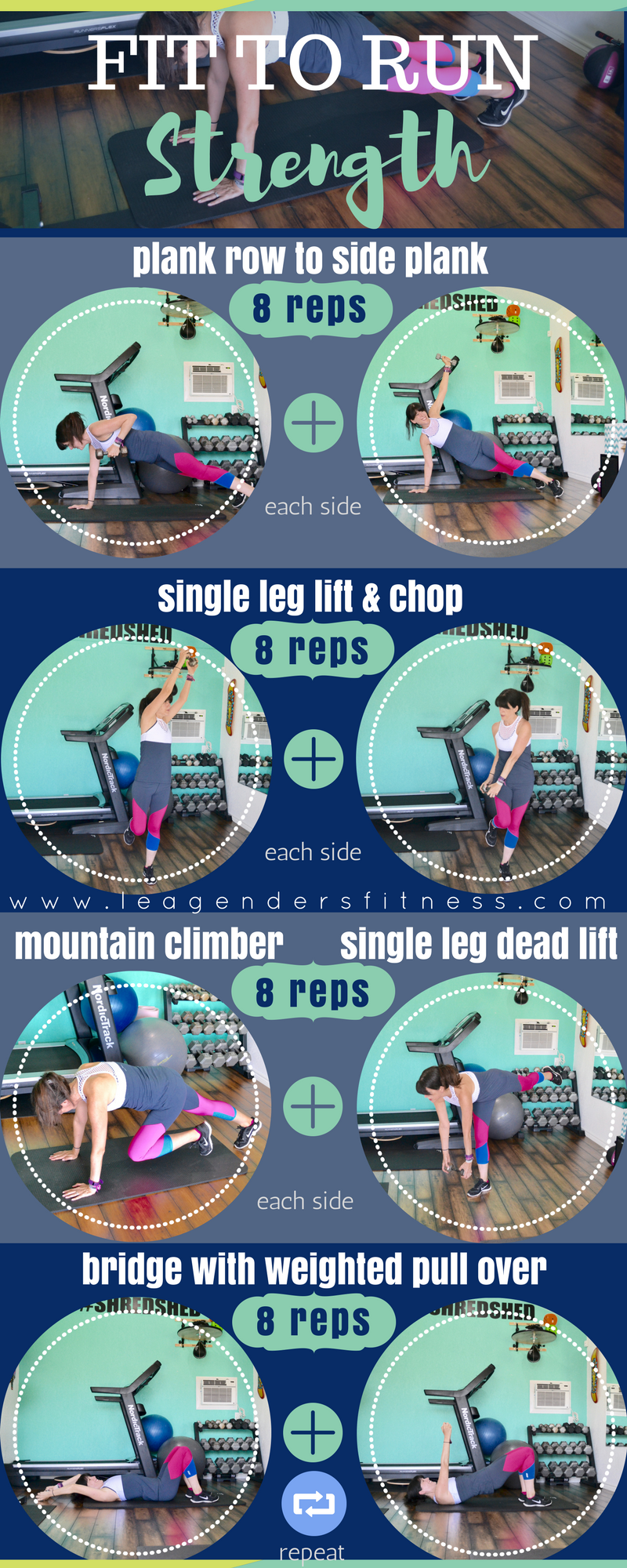
FIT TO RUN: MONTH 2 STRENGTH WORKOUT (A)

EQUIPMENT:

8lb dumbbell
Gym Mat

INSTRUCTIONS:

Perform the assigned reps of each exercise then move to the next exercise without rest. When you have completed all the exercises, rest for one minute (or as long as you need) and then repeat the circuit one or two more times. 

PLANK ROW TO SIDE PLANK

Start in straight arm plank position with your wrists directly under your shoulders and your legs a little wider than hip width for stability. Keep your body in a straight line from your shoulders to ankles while engaging your core. Do not allow your hips to hike (get that butt out of the air) or sag down.

With your core tight and your glutes engaged lift your right elbow to row as you bend your elbow up toward the ceiling, keeping your arms close to your sides.

Twist to the right to move into a side plank position keeping your right leg in front of your left for stability. Reach your arm to the ceiling and hold for 3-5 seconds before returning to plank position. Repeat on other side.

SINGLE LEG LIFT & CHOP

Stand on your right leg and grip the weight on each end with two hands. Reach your arms straight up over your right shoulder and slightly twist your torso to the right. With straight arms, bring the weight across your body and down towards the outside of your left knee by rotating your torso and shoulders. Repeat on other side. 

MOUNTAIN CLIMBER

Start in a straight arm plank position with your wrists directly under your shoulders with your legs wider than hip width for stability. Keep your body in a straight line from your shoulders to ankles while engaging your core. Do not allow your hips to hike up or sag down. Quickly bring your right leg in to touch your elbow, then back to plank position. Repeat on other side. Right then left equals one rep. Move as quickly as possible while maintaining strict form. 

SINGLE LEG DEAD LIFT

Standing on one leg, keep your knee slightly bent and perform a deadlift by bending at your hip while keeping your back straight and neck neutral. Extend your free leg behind you in line with your body. Grip the weight on each side with two hands and lower until your back is parallel to the floor. With your back straight return to the upright position. Repeat on other side

BRIDGE WITH WEIGHTED PULL OVER

Lie on your back with your knees bent and your feet flat on the floor. Keeping your elbows in a slightly bent position, draw the weight backward until it touches the floor.

Reach your arms over your head towards the ceiling while raising your hips off the floor so that your body forms a straight line from your shoulders to your knees. Pause at the top then slowly lower your hips and arms back to the floor.

Stay tuned for the next strength workout in this series.

Like this post? It helps me a lot when you share with your friends and followers by saving on Pinterest, sharing on Twitter or Facebook!

Would you like a printable version of this workout? Enter your email address to download the printable version and receive future updates to the strength and running blog. If you are already subscribed, you will not receive duplicate emails if you enter your email address again to get the download. 

52 Healthy Habits: How to Set Your Day Up For Success

Welcome to another edition of 52 healthy habits when each week we tackle a new healthy habit. This week we are talking about preparing for a healthy day. With a little planning and preparation we can set ourselves up for success. So when your boss asks you to stay late, your child remembers at 7pm he needs 36 cupcakes for school the next day or your dog's stomach disagrees with his new food (gross), you'll have the tools to manage stress and make good decisions, despite the things going on in your life. Because let's face it, life is always crazy. If we plan for success only on days where everything goes smoothly, we wouldn't stand a chance. 

That's where healthy habits come in. The beauty of habits is that once they are practiced and developed they become automatic. They are the behaviors that we lean on when we have more important things to worry about. You're probably never too busy to make your morning coffee, brush your teeth or take a shower (you somehow always manage to find time). Your habits (good or bad) are how you live your life on autopilot. Taking the time time to develop healthy habits will serve you when life gets in the way of your best intentions. 

IT ALL STARTS THE NIGHT BEFORE

MEAL PREP

Meal prep doesn't necessarily mean 21 tupperware containers with each meal for the week perfectly portioned, carefully measured and weighed. Meal prep isn't an all-or-nothing scenario. Anything you can do to set yourself up for success by preparing in advance counts as meal prep.

It can mean taking the time in the evening to chop vegetables for a salad or snack the next day.
It can mean packing your healthy lunch a day in advance. 
It can mean deciding on what meals you will make during the week, buying the ingredients and having them prepped and ready to go for meal time.
It can mean doubling a dinner recipe so you have leftovers for lunch the next day. 
It can mean cooking three pounds of boneless skinless chicken breast on Sunday afternoon.
It can mean hiring a meal prep service. It's about what works for your lifestyle.

I like to spend some time on Sunday cooking meals in the crockpot, meats in the oven or on the grill so that I have cooked protein ready to go at any time. (ok, truth: hubby does the cooking part.) He cooks a few pounds at a time and freezes what we won't use in the next several days. It is a lifesaver for quick healthy lunches and dinners. 

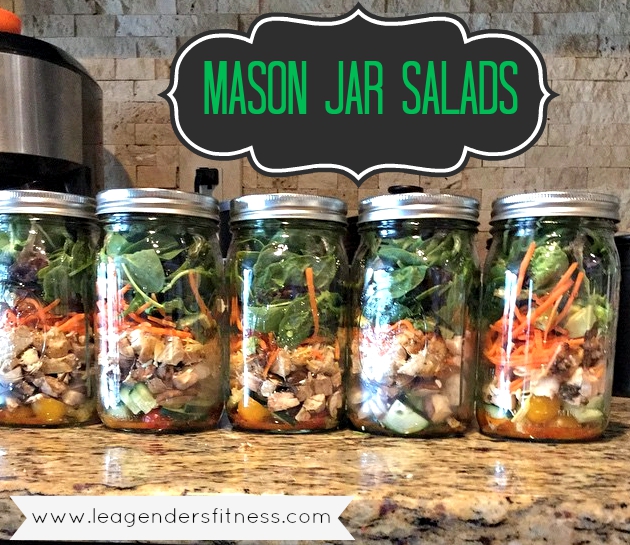
Try these mason jar salads to prep salads for the week.

Anything you do in advance to prepare and plan for healthy meals and snacks is meal prep. You don't have to start big. Chop veggies, wash fruit, bag up raw nuts for a snack on the go. Every little thing you do in advance will help you make better decisions when you're stressed, scattered or in a hurry.

SLEEP

If you are running on five hours of sleep it makes it harder to make good decisions. I know it may seem like you get more done when you stay up late and get up early, but most of our body's recovery processes happen during sleep. Your body has work to do while you sleep. Poor sleep can disrupt appetite regulation and cause you to feel hungrier during the day. Aim for 7-9 hours of sleep every night. Create and follow a bedtime ritual to set yourself up for success. I know it is easier said than done. If you are getting less than seven hours a night, start by going to bed just 15 minutes earlier. Every little bit will help. You'll make better decisions when fully rested and restored. 

MORNING RITUAL

DRINK WATER

Drink a cup or two of water before you gulp down your coffee in the morning. It helps rehydrate your body, it supports feeling alert and may help with appetite control. 

15 MINUTES OF MOVEMENT

Schedule some movement in the morning: a 15 minute walk, 15 minutes of body weight exercises or a 15 minute Yoga or stretching sequence. You don't need to run a 10K or join the local CrossFit box for their 5am WOD. Just start with some light movement to energize you for the day. If you end up not having time for your regularly scheduled/structured workout, at least you got in 15 minutes of movement. It will give you a boost of endorphins and the feeling of accomplishment all before you make it out the front door. If you don't have time for 15 minutes, do 10, or 5 minutes. Whatever you can fit into your lifestyle is a great place to start. 

PLAN AND EAT A HEALTHY BREAKFAST

Eat a healthy breakfast with protein, carbs and fat and you'll know that whatever life throws you that day, you'll at least have had one healthy meal at home. I like to eat two eggs, cottage cheese with berries and a piece of fruit. It can all be cooked/consumed in under 10 minutes. Don't have 10 minutes for breakfast? Try prepping hard-boiled eggs for the week or throw together a healthy protein shake for the road. Healthy can be quick and convenient too.

THE DAY

SET EXPECTATIONS

No day will ever be perfect. The best we can do is aim for better choices, not perfect. Healthy living isn't about perfection, it's about making the best choice of what's reasonably available to us. That means if you packed your lunch for work but there turns out to be a mandatory lunch meeting that's catered by a chain restaurant sandwich shop, just make the best choice possible. You don't have to be perfect. What's reasonable? Even with a less-than healthy meal in front of you, you can still pay attention to portions, try to fill up on protein and stop eating when full. If lunch didn't go exactly as planned, you always have dinner to make better choices. I don't get too caught up in the meal to meal decisions. One meal will not make or break your health or progress. I try to make the best choice I can with what's available to me and I move on. Don't obsess.

MORE MOVEMENT

I know. It doesn't seem like it would matter much, but a lot of little movement throughout the day adds up. You body doesn't know the difference between incidental exercise and intentional exercise. Park in the farthest spot away from the front door at work or school. Do the same at the grocery store (and return your cart back to the store, not the closest stall). Take the stairs. Use the restroom on another floor. Pace while you're on the phone. Take a short brisk walk after you've finished lunch. Walk to talk to your co-workers rather than emailing them. Go the long way. It all adds up. If you have time for a regular exercise session during the day, then great. Find an exercise that you enjoy and aim for at least 30 minutes of moderate exercise most days a week.

THE EVENING

DINNER

If you planned your meal ahead of time, you're more likely to make a healthy choice. Try to eat dinner at a consistent time at an actual table (no, the coffee table doesn't count). Eat most meals at home. If you can put away electronic devices, turn off TVs and actually talk to your family/housemates during dinner, that is the best case scenario. (I'll admit this is a hard one in our house.)

Eat slowly. Chew your food slowly. Pay attention to fullness cues and stop eating when you've had enough. Even with slow eating, we can usually eat a dinner in our house in about 15 minutes. Hubby is the cook, he has mastered the quick and healthy dinner. Most dinners take 15-20 minutes to prepare, are delicious and healthy. He calls himself Chef Boy Russ G. Maybe he needs a guest segment on the blog to show us some of his favorite recipes. What do you think? 

THE WIND DOWN

Turn off electronic devices 60 minutes before bed. Relax with a book or magazine, or talk to your family/housemates about their day. Take a bath, call a friend, journal your thoughts. Take a little bit of time away from electronics for some self care at the end of the day and you'll likely fall asleep faster and more soundly. If you don't have 30 minutes before bed for self care, take five. Start somewhere. 

If it all seems like common sense, it is. The problem is the common sense doesn't seem so common anymore. The messages from the fitness industry tell you that you have do more, be perfect, eat organic, eat clean, lift heavier, run farther, work harder...when the truth from my point of view is that we just need to develop healthier habits, cultivate environments that enable us to make better choices, spend time with people who encourage and empower us, move a little more doing the things we enjoy and love ourselves a lot more. 

You don't have to do everything at once. Tackle one thing at a time and work on it for a few weeks. Grow a little each week. Get better each month. Become a little healthier each year. A healthy lifestyle is not a 21 day challenge or a 12 week solution, it's a journey for the rest of your life, you might as well enjoy it. 

Have questions? I'd love to help. 

Like this post? It helps me a lot when you share with your friends and followers. 


Coach Lea


How to Stay Motivated Through the Dog Days of Summer

I live in Texas and make no mistake, the triple digit temperatures of summer have officially arrived. It's hot y'all. (I'm from Pennsylvania but I can say y'all because I live in Texas now. My y'all only comes out when I talk about the heat.) The heat can make us feel sluggish and lazy. It can make us want to watch a Netflix marathon (or three) rather than train for a real one. 

The dog days of summer are here. It's hot. The heat and humidity can wreak havoc on our best intentions, but our motivation can rise with the temperatures with a little summer planning.

HOW TO STAY MOTIVATED THROUGH THE DOG DAYS OF SUMMER

LIMIT OUTDOOR WORKOUTS

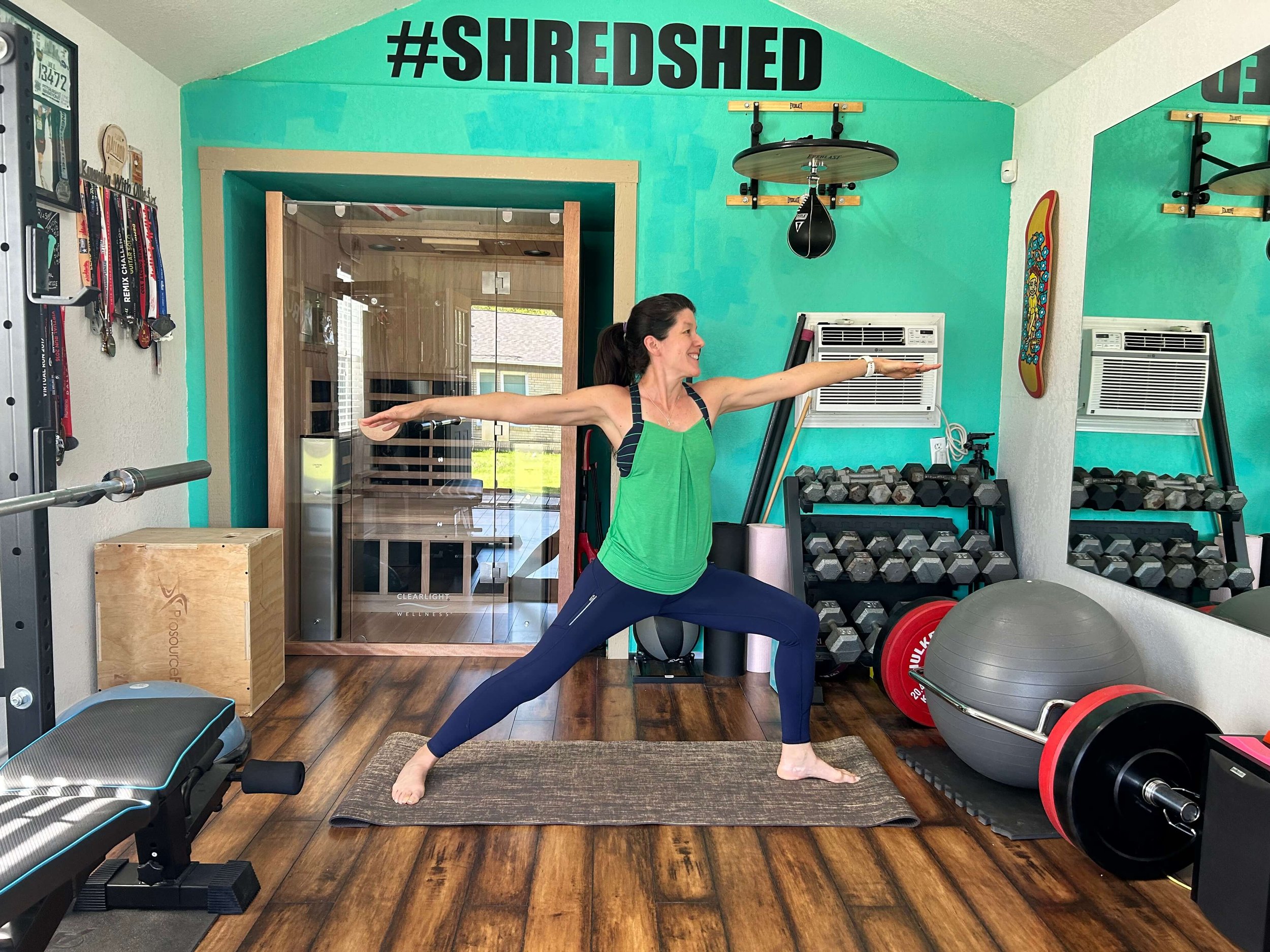
As the temperatures rise it is a great opportunity to focus on weightlifting, group fitness classes, swimming and other indoor activities. I use the summer to focus on strength training, since I can take advantage of the cool air conditioned comfort of the #shredshed, our backyard gym. I limit runs to early morning, late evening or on the treadmill. It's a good idea to alter our workouts with varied training cycles and the weather gives us the perfect opportunity to shake up our regular exercise routine. 

GET ON A SUMMER SCHEDULE

Summer can mess with our regular schedules. School's out, kids are home, vacations are planned and hotdogs are on the grill. Our best defense against summer slacking is establishing a summertime routine. Take the kids for a walk every morning or get your workouts in after lunch every day. Our schedules may be a little more varied than during the winter months, so establishing exercise and healthy eating routines can keep us on track. 

FOLLOW THE 15 MINUTE RULE

When you really don't feel like you have the energy for a workout, follow the 15 minute rule. Commit to doing a 15 minute workout. The hardest part of most workouts is getting started. After 15 minutes, you can stop if you want, but most likely once you get going you'll want to keep going. Even if you stop at 15 minutes, it is better than not working out at all. 15 minutes every day is still 1.75 hours of workouts for the week, not too shabby. 

HYDRATE EARLY AND OFTEN

Whether your workouts are indoors or out, hydrate early and often. Dehydration can make us feel lethargic and fatigued. Drink up to eight glasses of water a day and add more if you working out and are spending time outside in the heat. No, a cold brew doesn't count. Hah.

Ready to run! ha ha

Ready to run! ha ha

DRESS FOR SUCCESS

Avoid cotton clothing and socks in the hot weather. Cotton absorbs water (aka sweat) and can cause blisters, rashes and embarrassing sweat stains. Stick to technical fabrics that wick moisture away from the body. When out in the sun wear light colored, loose fitting clothing and of course, plenty of sunscreen to protect your skin. Nothing kills motivation like a blisters and a sunburn.

SLEEPY SUMMER

If you're getting up early to beat to the heat, make sure you are going to bed earlier as well. Sleep is one of the most important things you can do for your health, so you're not doing yourself any favors if you get up 2 hours earlier to run and lose two hours of precious sleep. Aim for 7-8 hours per night of sleep to ensure proper recovery from those summertime workouts. When you're properly recovered you'll feel more inclined to get in that next workout.

Like this post? It helps me when you share with your friends and followers.